If you want to declutter your home but the whole house feels like one big project, start smaller. Work one room at a time, in a sensible order, with a timer running. That is the whole plan: a simple room-by-room method that gives you quick wins first and saves the hard rooms for when you have momentum.
Thank you for reading this post, don’t forget to subscribe!Below you will find the best order to declutter room by room, what to tackle in each space, realistic time estimates, and a checklist you can follow from the front door to the storage closet. It works in a weekend or across a few weeks of evenings — the order is what matters, not the pace.
What you’ll need
- Four bins or bags: keep, donate, relocate, toss
- Two trash bags (one for rubbish, one for recycling)
- A timer — your phone is fine
- A laundry basket for items that belong in other rooms
- A pen and a notepad for the things you notice along the way (repairs, missing bulbs, products to buy later)
Step 1: Set a timer and grab four bins
Every room gets its own timer, and every item goes into one of four bins: keep, donate, relocate, or toss. The relocate bin is for things you own that live somewhere else — a book that belongs upstairs, a mug that belongs in the kitchen. The keep bin is for items that stay in this room but need a better home, like drawer dividers or a shelf.
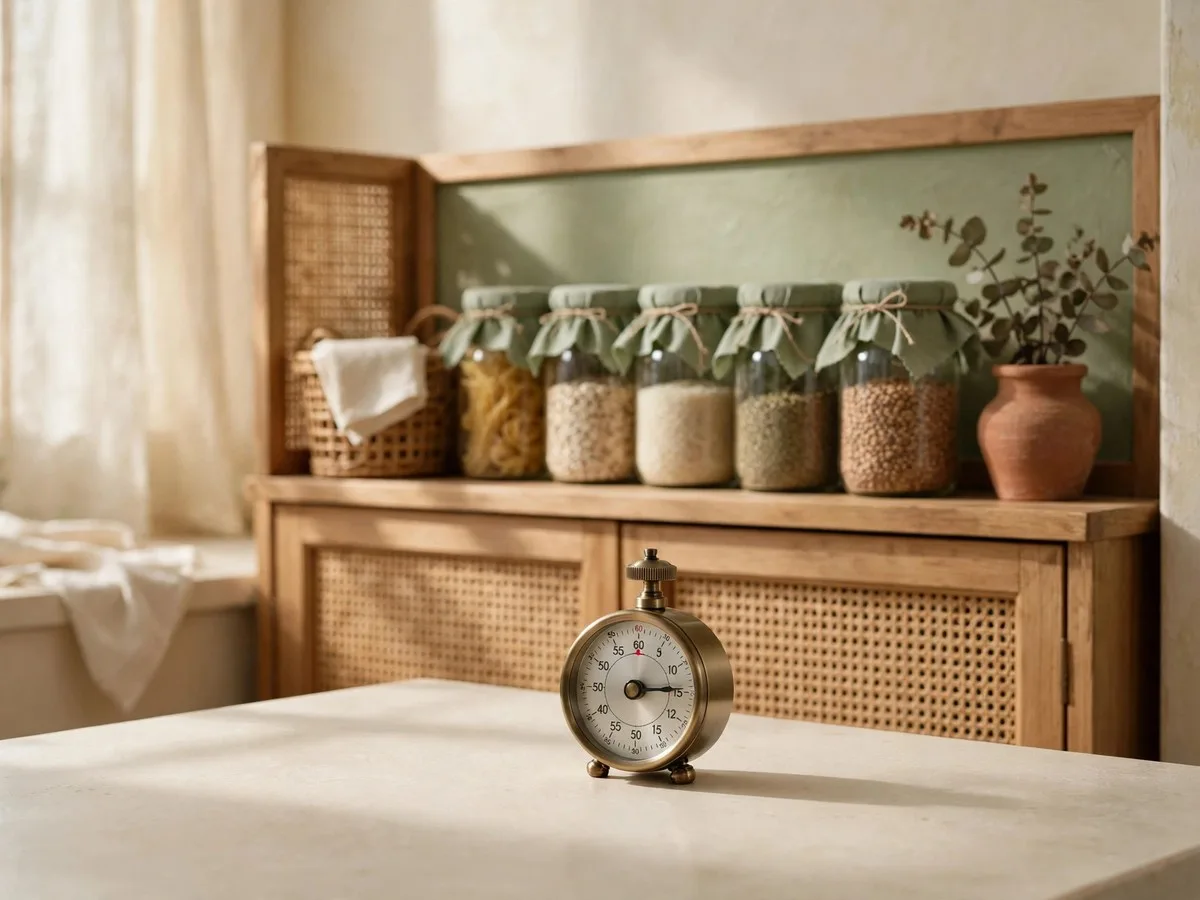
Time-box each space before you start. A bathroom gets 30 minutes; a kitchen gets two hours. When the timer rings, you stop and move on — even if the room is not finished. Momentum beats perfection here, and an unfinished room is far less discouraging than an abandoned whole house.
Step 2: Start with trash and easy wins
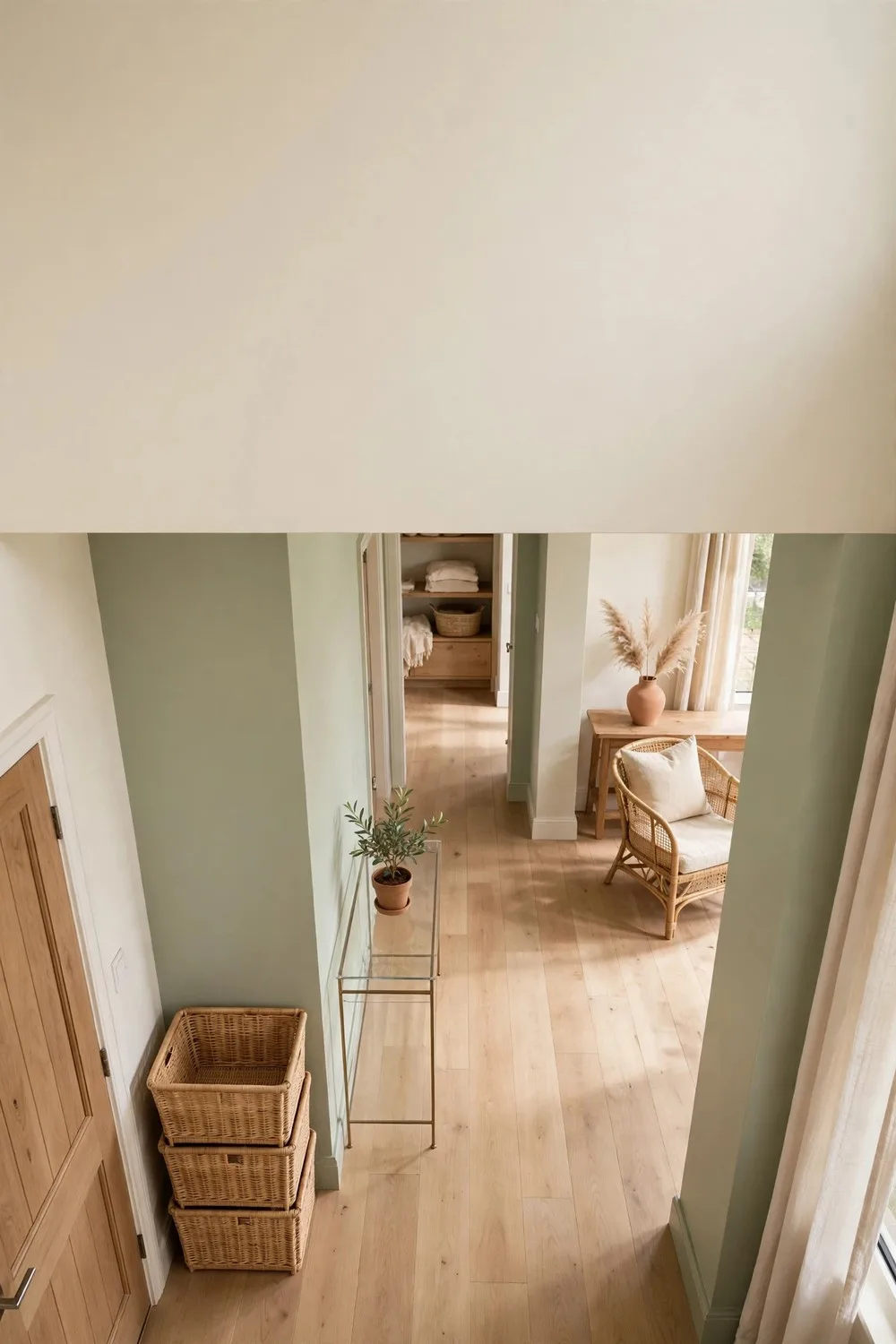
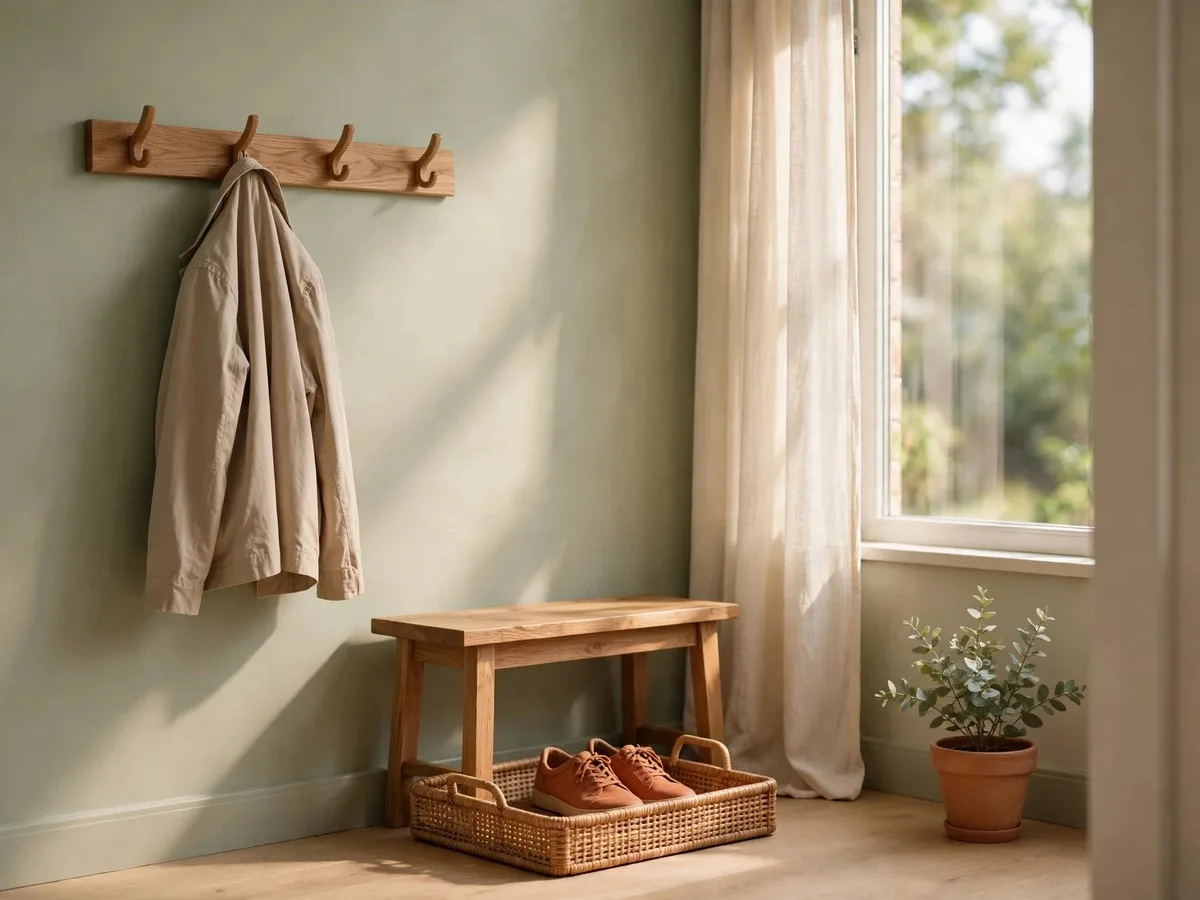
Begin with the smallest, most visible spaces: the entryway and one bathroom. These rooms have few decisions to make — expired toiletries, dead pens, worn-out sponges — and they reward you fast. Walk in with a trash bag and fill it before you touch a single bin.
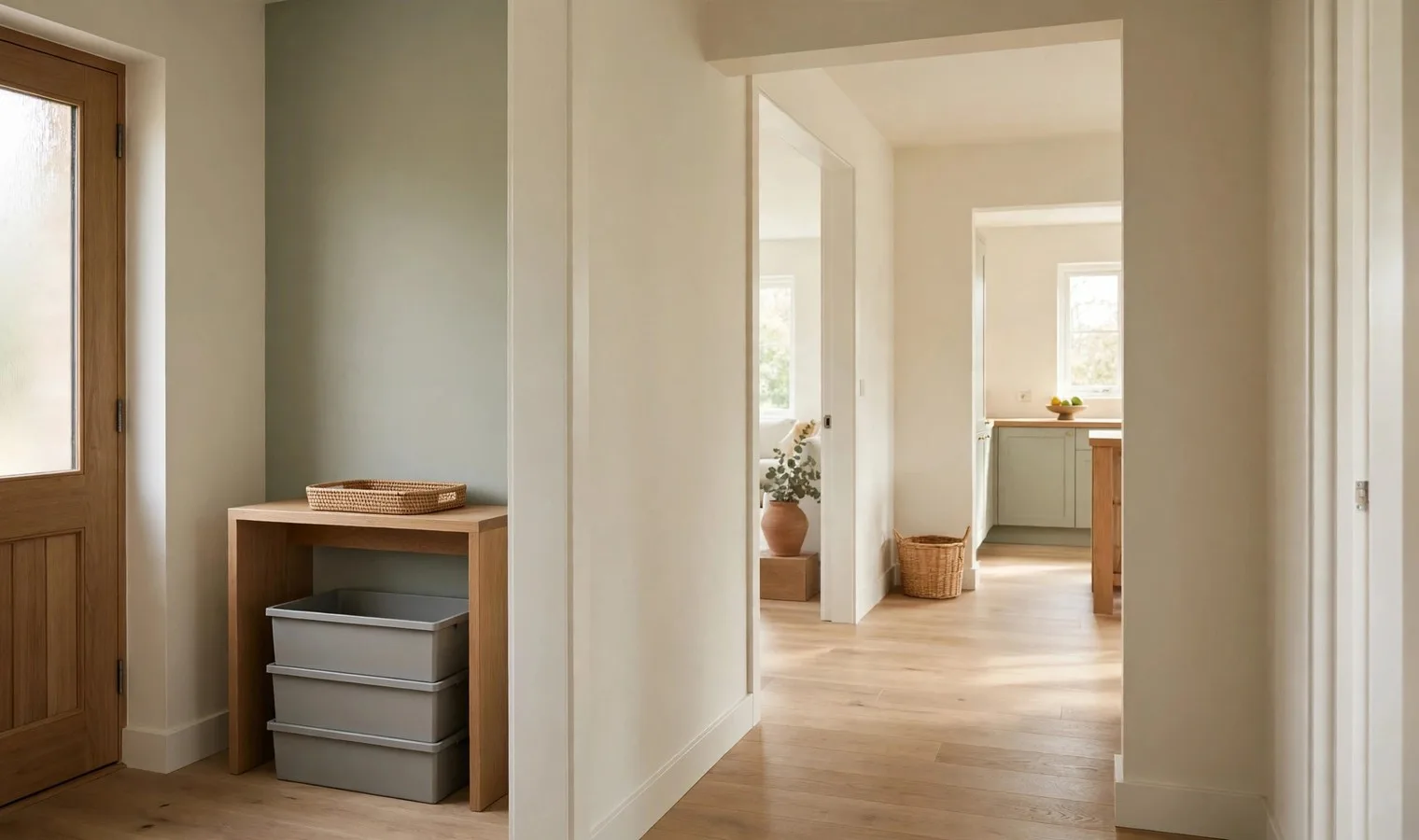
Then pull everything off one surface at a time: the bathroom counter, the entry shelf. Wipe the surface clean, and only put back what you actually use. Half-used products you hate are allowed to leave. A clean entry console changes how the whole house feels when you walk in.
Step 3: Work through the kitchen
The kitchen is where duplicate clutter hides: three whisks, two sets of measuring cups, the gadget from two birthdays ago that you have never used. Declutter drawer by drawer and shelf by shelf, not by rummaging through the whole kitchen at once.
Start with the easy tosses: expired food and spices, chipped mugs, plastic containers with no lids. Then the duplicates: keep the best whisk and donate the other two. Pull out one tool at a time and ask when you last used it — if you cannot remember, it goes. Once the kitchen is lighter, our pantry organization ideas show how to give everything that stays a proper home.
Step 4: Bedrooms and closets
Bedrooms collect the slow kind of clutter: books you will never reread, cables for devices you no longer own, clothes that fit a different season of life. Clear the nightstands and dresser tops first for the visual win, then tackle the closet.
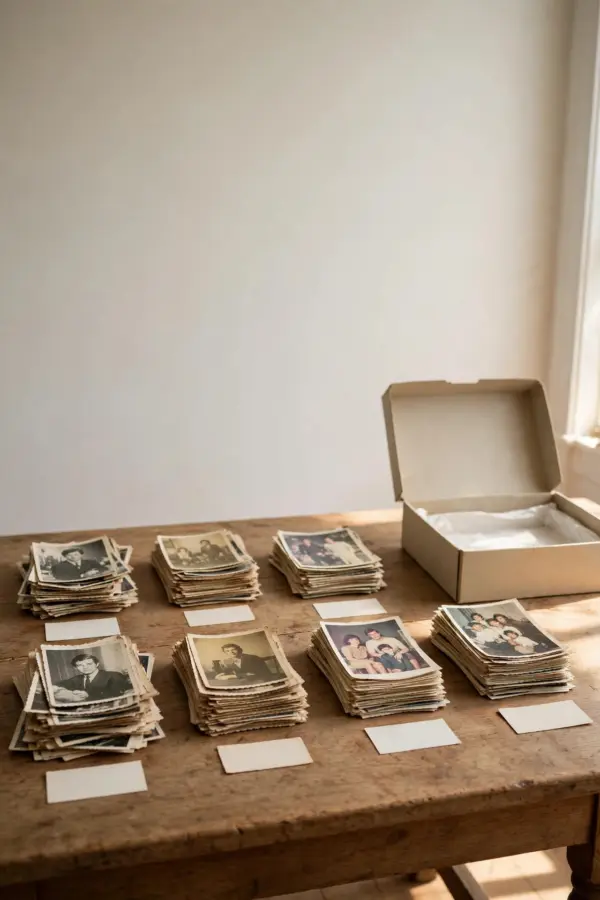
For the closet, pull every item into the open and sort it into your four bins. If a garment has not been worn in a year, has a broken zip, or makes you sigh when you see it, let it go. Try the reverse-hanger trick if you are unsure: turn all hangers backwards, and anything still backwards in three months leaves. When you have decided what stays, our closet organization ideas will help you store the keepers neatly.
Step 5: Living and family rooms
Living rooms collect drift: mail, toys, chargers, half-read magazines, blankets everywhere. Start at the door and sweep the room with your relocate bin — everything that belongs elsewhere goes in first. Then the toss bin for rubbish and the donate bin for the books, DVDs and games you have outgrown.
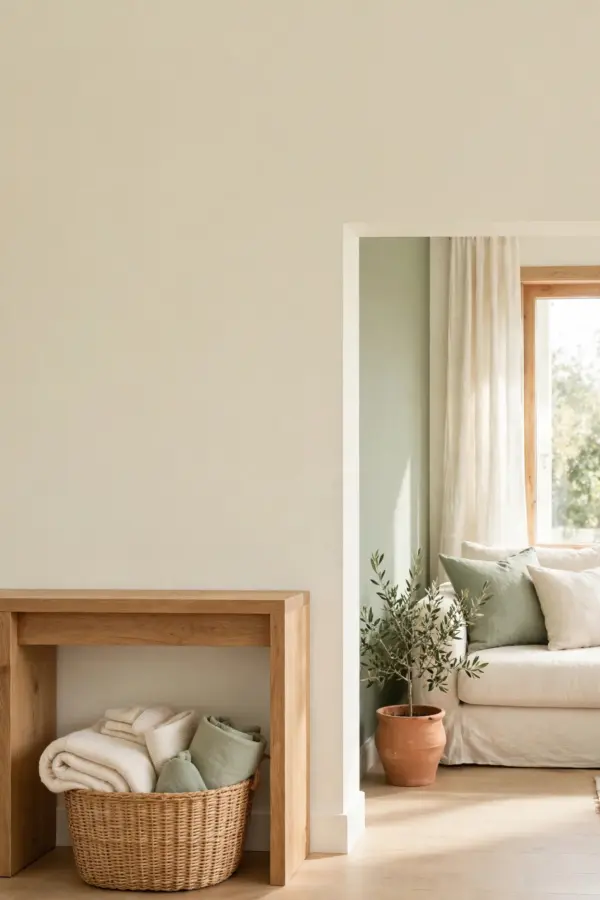
Finish with surfaces and floors: one basket for the throws, cables corralled into a small box, the coffee table cleared except for what you truly use. Aim for clear floors — a living room with clear floors and one tidy basket feels twice as big as it is.

Step 6: Storage zones: laundry, linen closet, garage
Save these for last, when your sorting muscles are warm. The linen closet takes 45 minutes: keep two sets of sheets per bed, donate the frayed towels, toss the single socks. The laundry area takes about the same — empty it fully, toss dried-up products, and put everything back with a place for the next load. Our laundry room organization guide walks through the whole reset.
The garage is the biggest job on the list, so split it into two sessions. Session one: big items — bikes, tools, sports gear — moved to one side and sorted. Session two: boxes, paint, and the mystery cartons. Give yourself two to four hours per session and open the door for daylight; it makes everything faster.
Step 7: Sort, relocate and reset
When every room has had its timer, you will have full bins. Finish the job in this order, before you do anything else: trash and recycling go out to the kerb, donations go straight into the car (and to the shop within 48 hours — the boot of a car is where donations go to be forgotten), and relocate items go to their real homes, room by room.
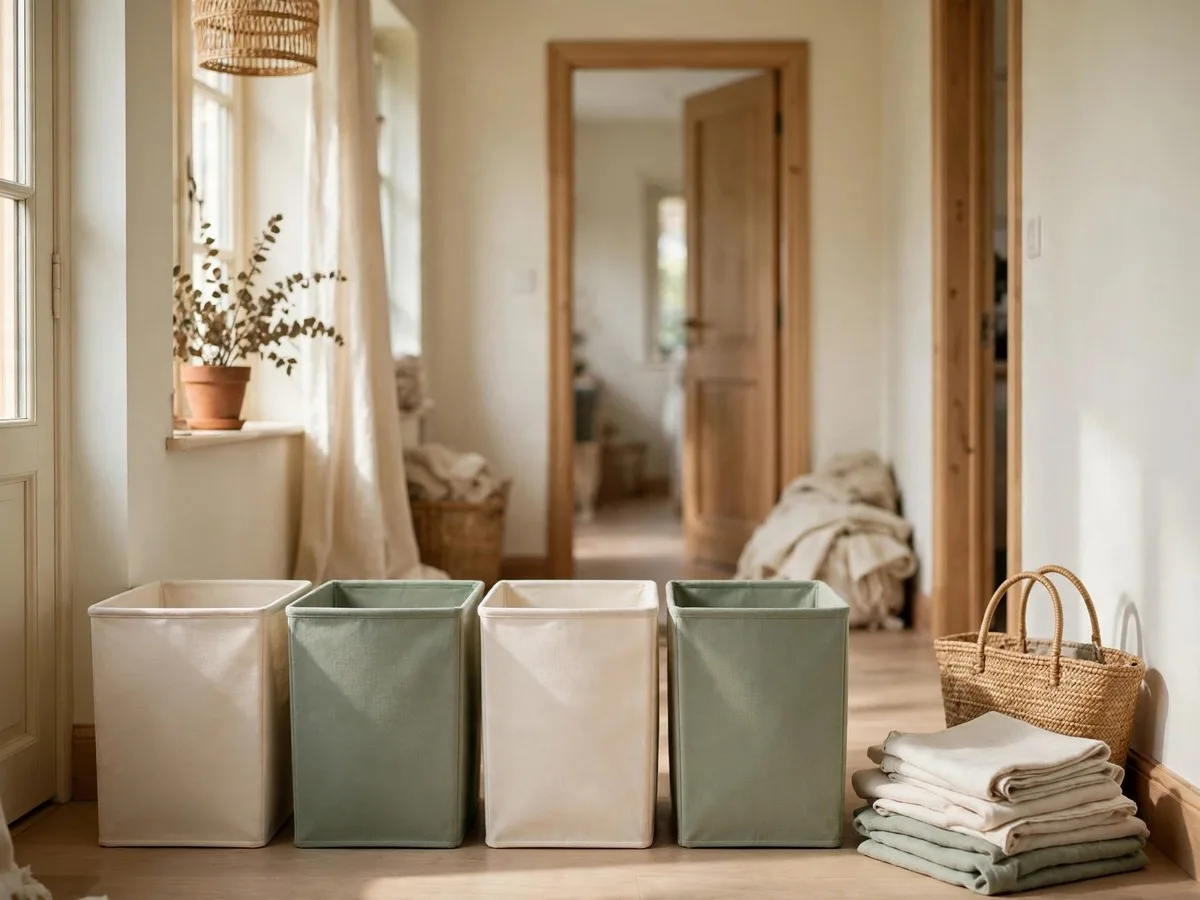
Only then deal with the keep bins: give those items their new homes with a divider, hook or shelf. A declutter that ends with bags by the door is half a declutter — the reset is the part that makes it stick.
How long does it take to declutter a whole house?
It depends on the size of your home and how much has built up, but these are realistic estimates for a first pass through a typical two-bedroom home:
| Room | First-pass time |
|---|---|
| Entryway | 30 minutes |
| Bathroom | 30–45 minutes each |
| Kitchen | 1–2 hours |
| Bedroom and closet | 1–2 hours each |
| Living and family rooms | 1 hour |
| Linen closet | 45 minutes |
| Laundry area | 45 minutes |
| Garage or storage | 2–4 hours per session |
Most homes land between eight and fifteen hours of actual sorting. That fits into one focused weekend, or a 30-minute evening session per room over two weeks. Pick the pace you can sustain — a room a day still finishes the house in under two weeks.
Your room-by-room checklist
Tick these off in order and you will declutter your home without missing a space:
- Entryway and coat storage
- Bathrooms (all of them)
- Kitchen drawers, cabinets and counters
- Bedrooms: nightstands, dressers and under-bed
- Closets and wardrobes
- Living and family rooms
- Dining area or nook
- Home office or desk corner
- Linen closet
- Laundry area
- Garage, shed or storage unit
- Hallways and landing spots
Keep it that way: one in, one out
A tidy home stays tidy with one rule: for every new item that comes in, one old item goes out. New shirt? An old one goes to the donation bag. New mug? The chipped one leaves. Keep a small donation bag hanging inside a closet door so leaving is easy, and run a ten-minute reset each evening — surfaces clear, floors clear, dishes away. Small daily resets beat big annual purges.
Questions, answered
How to declutter a home?
Start small and work room by room. Set a timer for each space, sort everything into four bins (keep, donate, relocate, toss), and finish each room with a reset before moving on. Begin with easy wins like the entryway and bathroom to build momentum, save storage zones for last, and get donations out of the house within 48 hours so they do not creep back.
What should I remove first when decluttering?
Trash and obvious donations. Walk each room with a rubbish bag first and clear the things nobody needs to decide about: expired products, broken items, junk mail, dried-up pens. Then tackle duplicates — the second whisk, the third water bottle — before you touch anything sentimental. Easy decisions build the confidence for the hard ones.
What to declutter?
Start with the low-hanging fruit: expired food and toiletries, broken or chipped items, duplicates, clothes that do not fit or have not been worn in a year, paper you no longer need, cables for devices you no longer own, and anything you keep moving around without using. If it has not been used or loved in a year, it is a candidate to leave.
How long does it take to declutter a whole house?
For a typical two-bedroom home, expect eight to fifteen hours of actual sorting: about 30 minutes per bathroom and entryway, one to two hours per kitchen and bedroom, and two to four hours per garage session. That fits into one focused weekend or a short evening session per room over about two weeks.
Decluttering your home is really just a series of small, timed sessions in a sensible order. Start tonight with one 30-minute timer in the bathroom — by the time it rings, you will have proof that the plan works, and the rest of the house will feel very doable.