The 30-day declutter challenge gives you one small decluttering task per day for a month — drawers in week one, surfaces in week two — so your whole home resets without a single overwhelming weekend. Each task takes about 15 minutes, covers one drawer, one surface or one shelf, and leaves you with a bag for donations and a home that feels a little lighter every evening.
Thank you for reading this post, don’t forget to subscribe!January is the natural moment for this reset. The holidays are over, the house is full of new things finding homes, and a slow, steady challenge beats a frantic weekend purge that stalls halfway through the living room. Work the days in order, or start on any day that suits you, and by day 30 every zone in your home will have had a pass.
The rules: small, daily, and finished
Five rules keep the challenge doable. Follow them and the month stays easy; skip them and even a single drawer can swallow an afternoon.
- Set a 15-minute timer. When it rings, stop, even if the drawer is not perfect. A finished-enough drawer beats a half-sorted room.
- Work with three containers: a bag for donations, a bag for trash, and a small box for things that belong in another room.
- Do one task a day, and only that task. Do not open the next drawer “while you are at it.”
- Do not buy bins, baskets or organizers until week three. First you remove things; only then do you know what containers you actually need.
- Missed a day? Just do the next day’s task. Catch up only if you genuinely feel like it, and never double up two big tasks in one evening.
One more ground rule: nothing leaves the house in a vague “maybe” pile. If an item has not been used in a year, does not fit, or is broken beyond a repair you will actually do, it goes in the donation bag or the trash bag today.
Week one: drawers and small storage (Days 1–7)
Week one starts small on purpose. Drawers are contained, quick to finish, and give you a visible win on day one, which is exactly the momentum a month-long challenge needs.
Day 1: The junk drawer
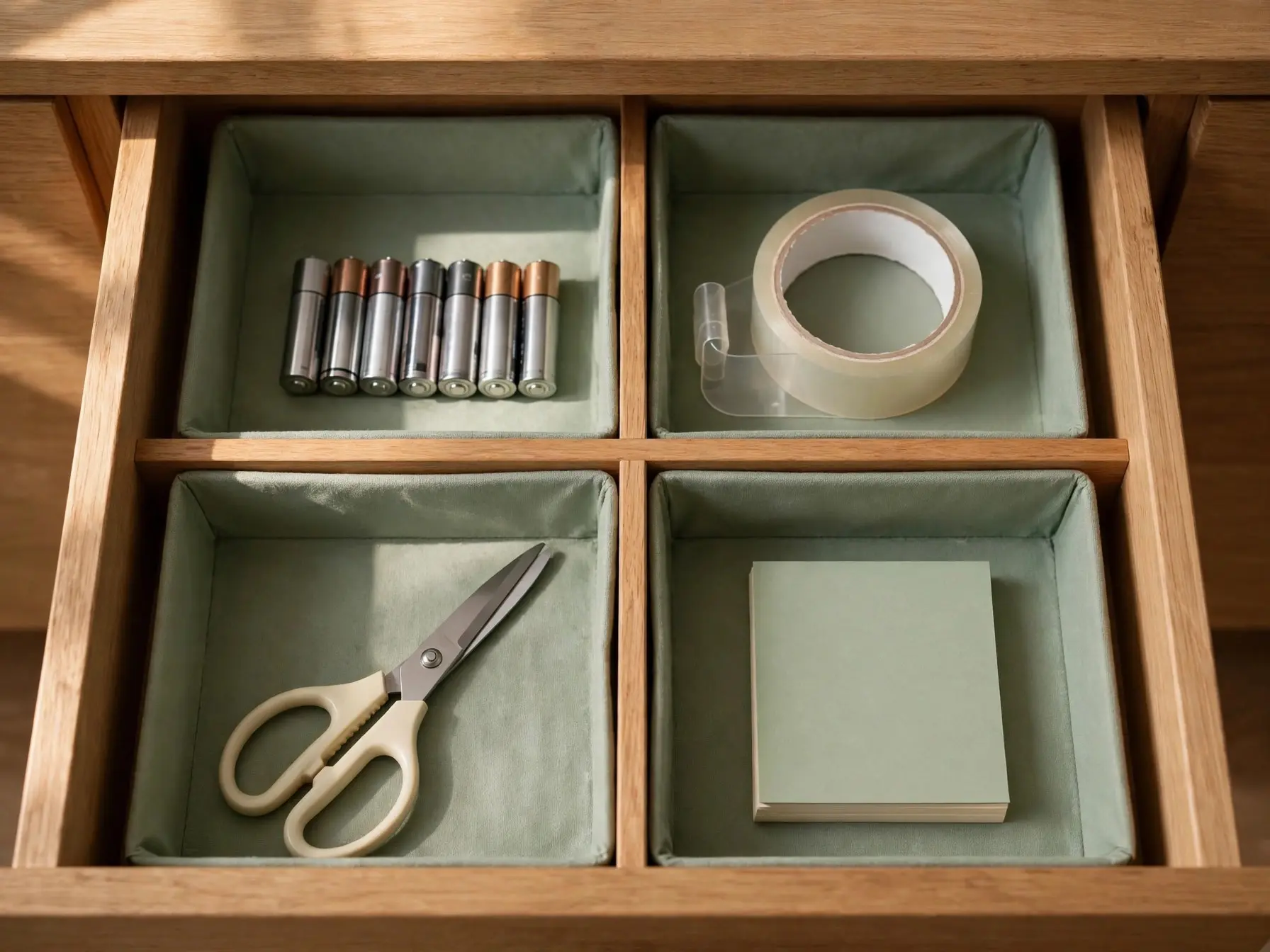
Empty the junk drawer completely, wipe it out, and put back only what you reach for weekly: scissors, tape, a pen, batteries and a notepad. Everything else goes in the donation bag, the trash bag, or its proper room. Small drawer dividers or a couple of ramekins keep the categories from sliding back into one tangle.
Be ruthless with the classic junk-drawer clutter: dead batteries, dried-out pens, keys to locks you no longer own, and instruction booklets for appliances you replaced years ago. If you cannot name what a mystery item is within five seconds, it leaves.
Day 2: The kitchen utensil drawer
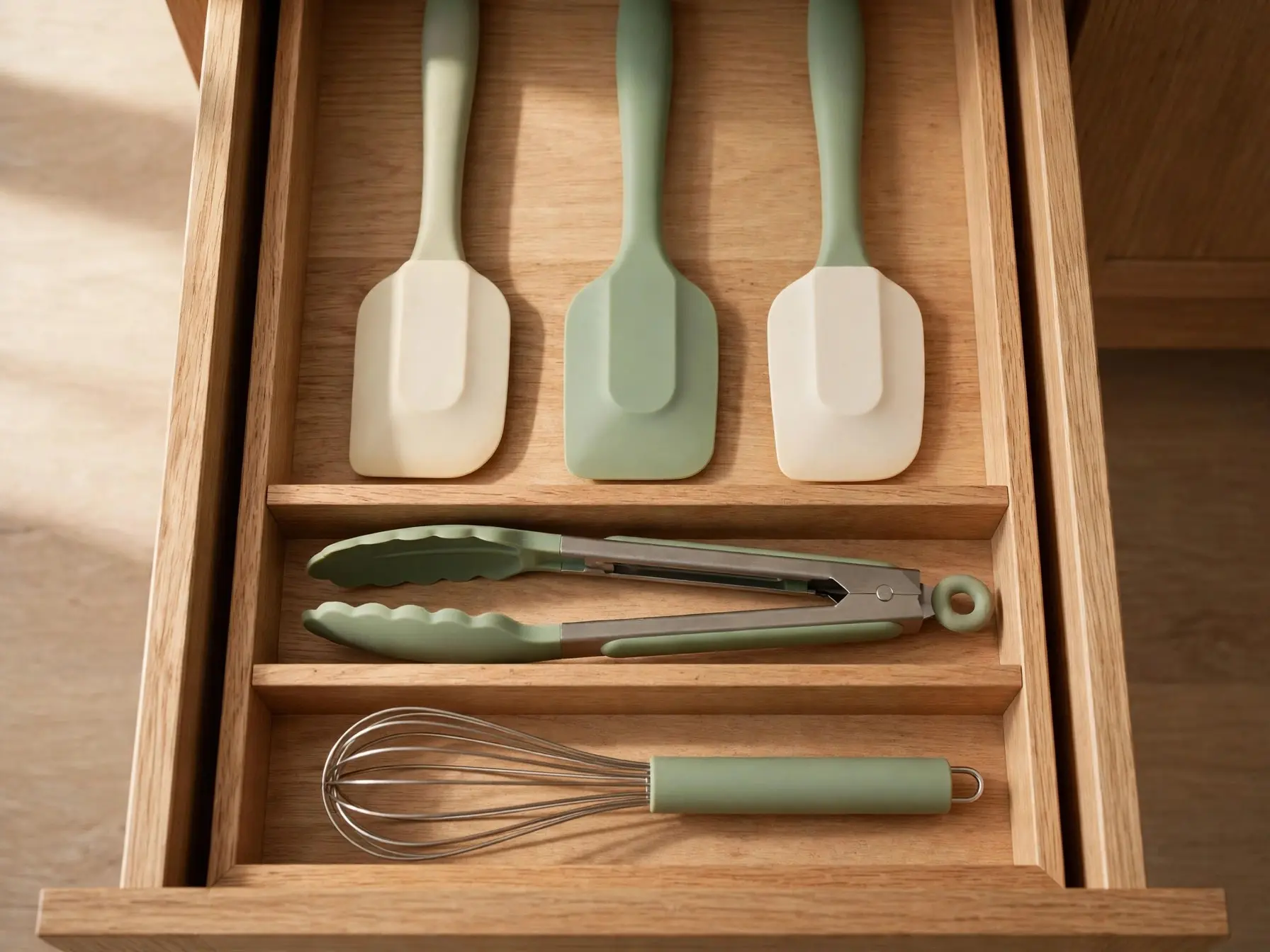
Pull out every utensil and keep only the tools you used in the last month. Duplicate spatulas, novelty gadgets and the third whisk all go. A simple tray divider then gives each remaining tool its own slot, so the drawer opens to order instead of a jumble.
Count what you actually cook with: most kitchens run happily on one spatula, one pair of tongs, one ladle and one whisk. Anything bent, melted or missing a handle is trash, not a spare.
Day 3: The bathroom drawer
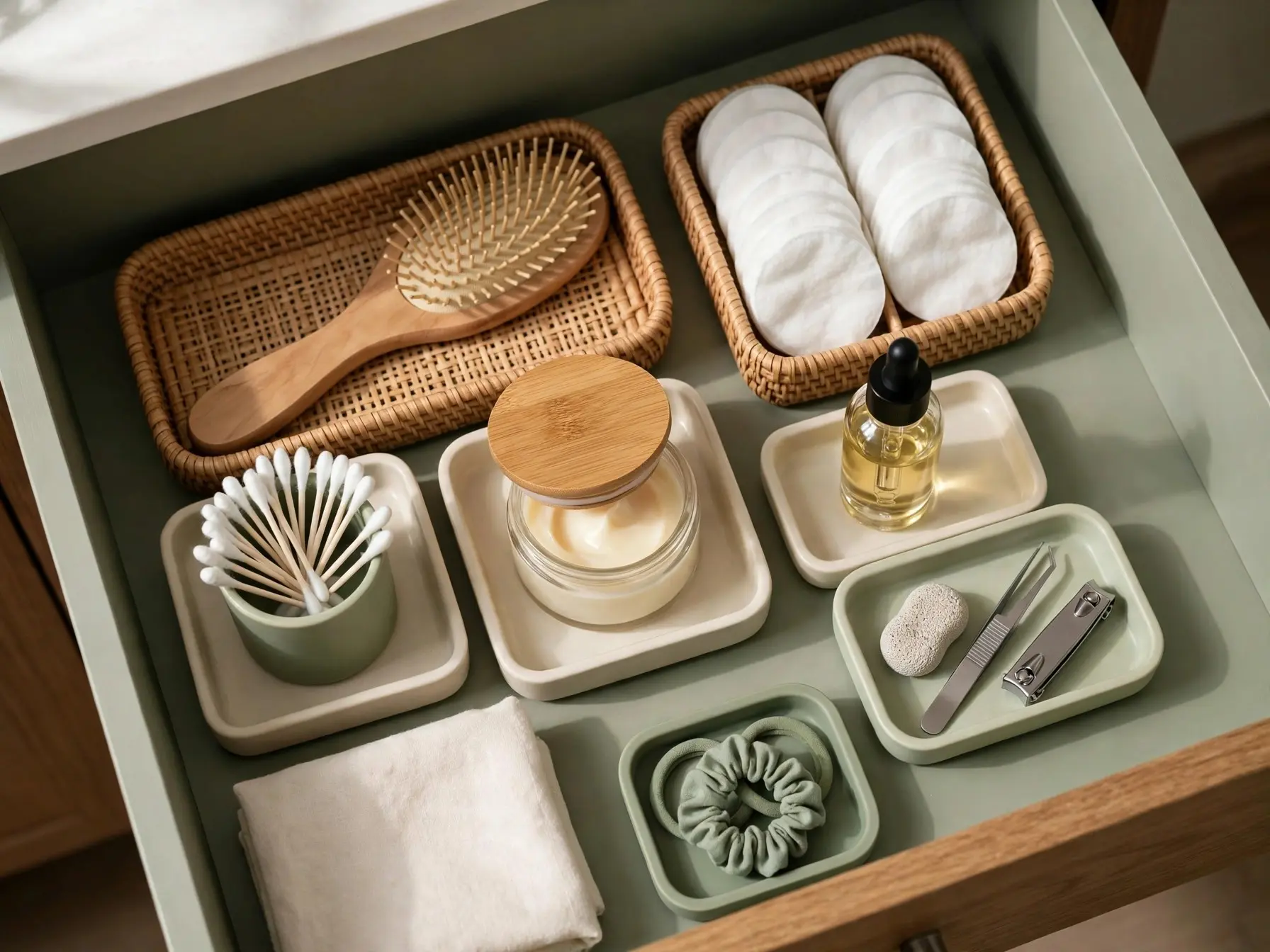
Empty the bathroom drawer, toss expired medicines, dried-up nail polish and half-empty hotel bottles, and wipe the base clean. Keep only daily items: toothbrush supplies, a hairbrush, and the few products you use every morning. Small trays stop bottles from toppling each time you open the drawer.
Check dates as you go. Sunscreen from two summers ago, opened eye drops and anything without a label should go. If a product irritated your skin or you never finished it, you will not finish it now.
Day 4: The desk drawer
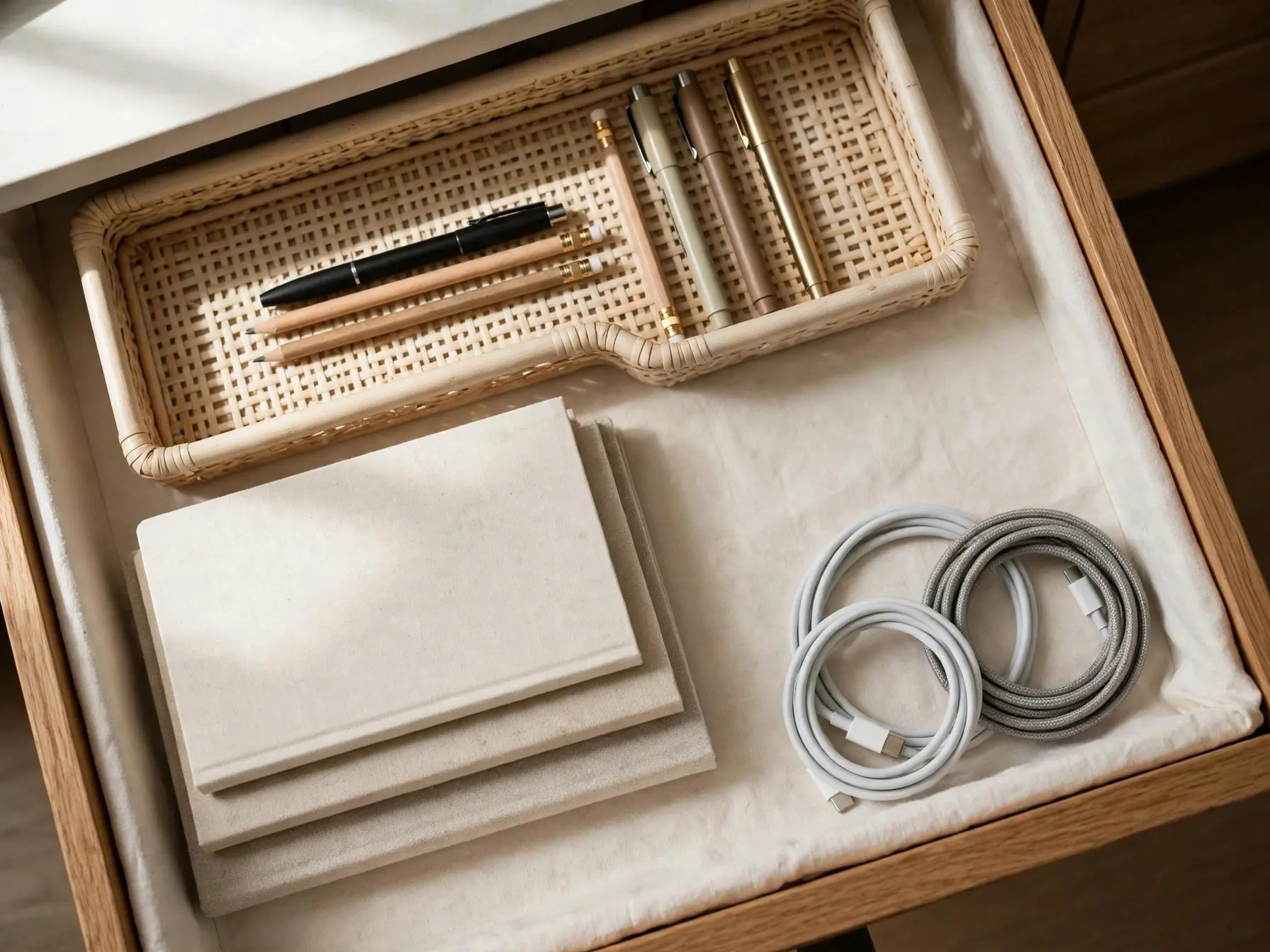
Take everything out of the desk drawer and test every pen. Keep the working pens, one notebook, chargers you still use, and stationery you reach for weekly. Old receipts, tangled cables for devices you no longer own, and dried-out markers go straight out.
Coil the surviving cables with a twist tie or small band so they stop strangling the drawer. One small tray for pens and one corner for cables is all the structure a desk drawer needs.
Day 5: The bedside table drawer
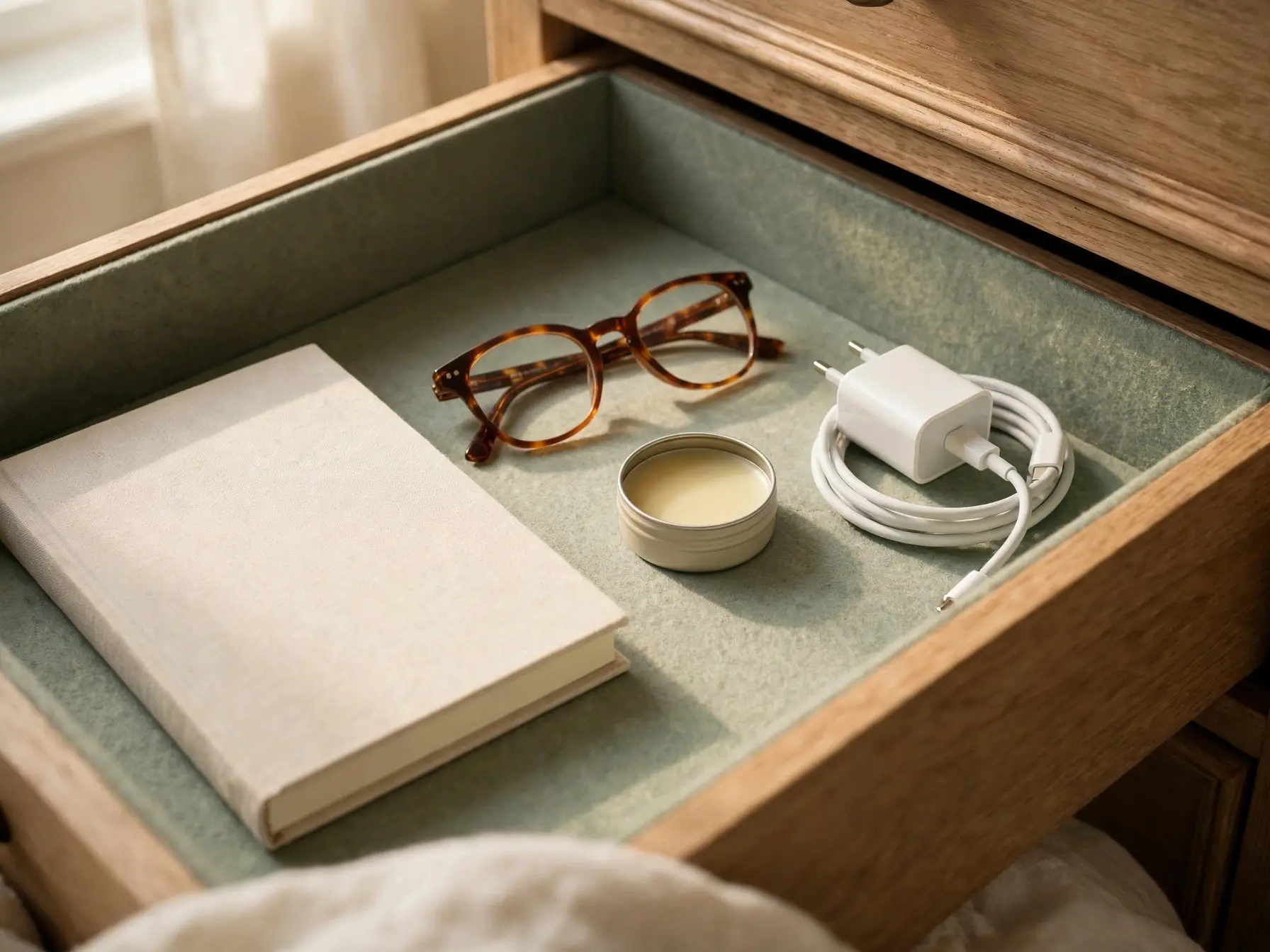
The bedside drawer should hold only what you need at night: a book, reading glasses, lip balm, hand cream and a charger. Clear out old magazines, loose change, expired coupons and the charger for a phone you upgraded two years ago.
A calm bedside drawer makes the last minutes of the day calmer too. If it takes more than a glance to find your glasses in the dark, it is holding too much.
Day 6: The entryway drawer or catch-all
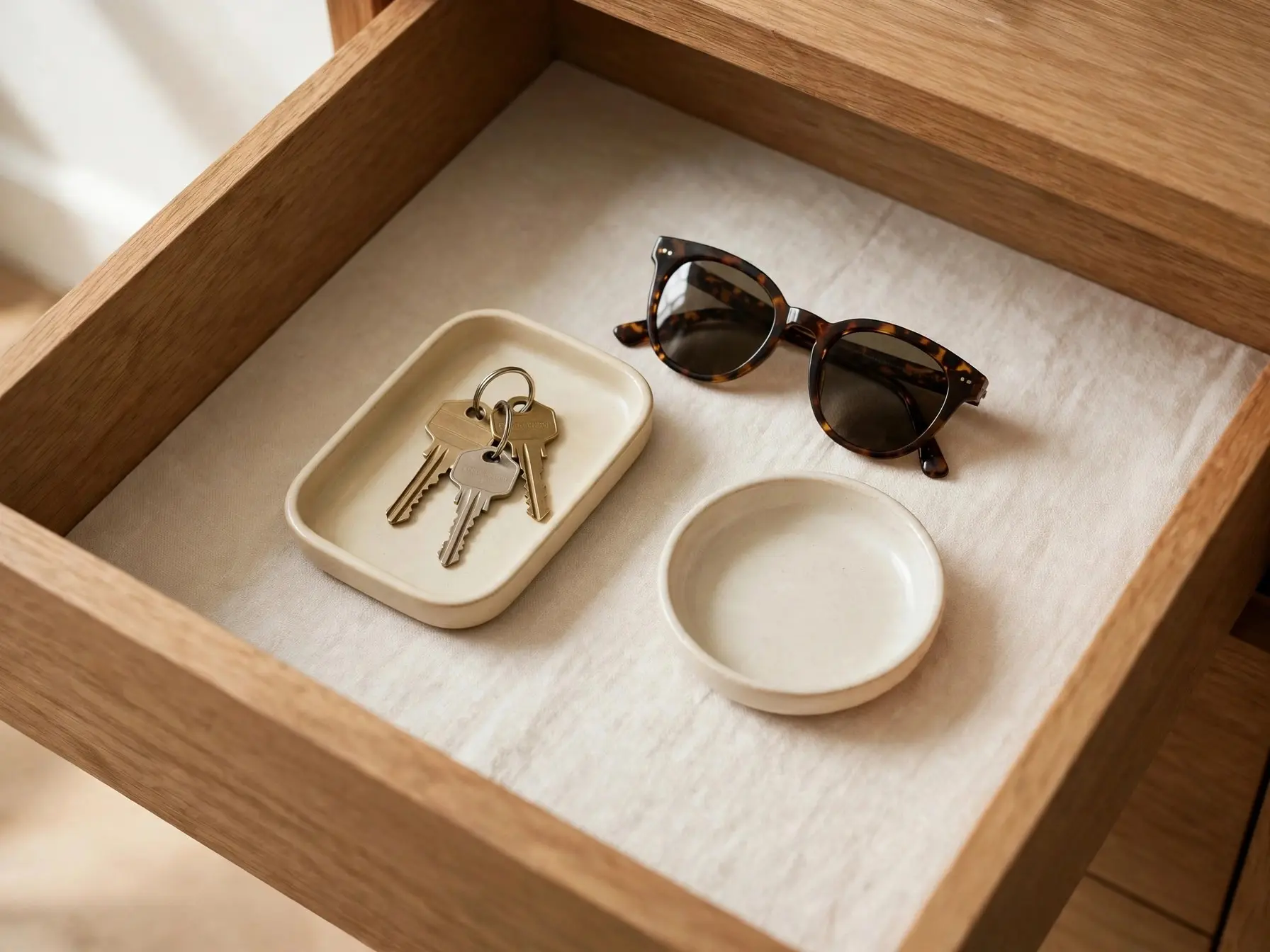
Sort the entryway drawer or bowl where keys, mail and pocket clutter land. Keep keys, sunglasses and one small dish for coins. Recycle the flyers, return the borrowed pens, and move anything that belongs deeper in the house to its room now.
Give keys one fixed home, whether a hook or a tray, so the morning search ends. A catch-all only works when it is emptied weekly; today is the reset that makes that habit possible.
Day 7: The utility drawer
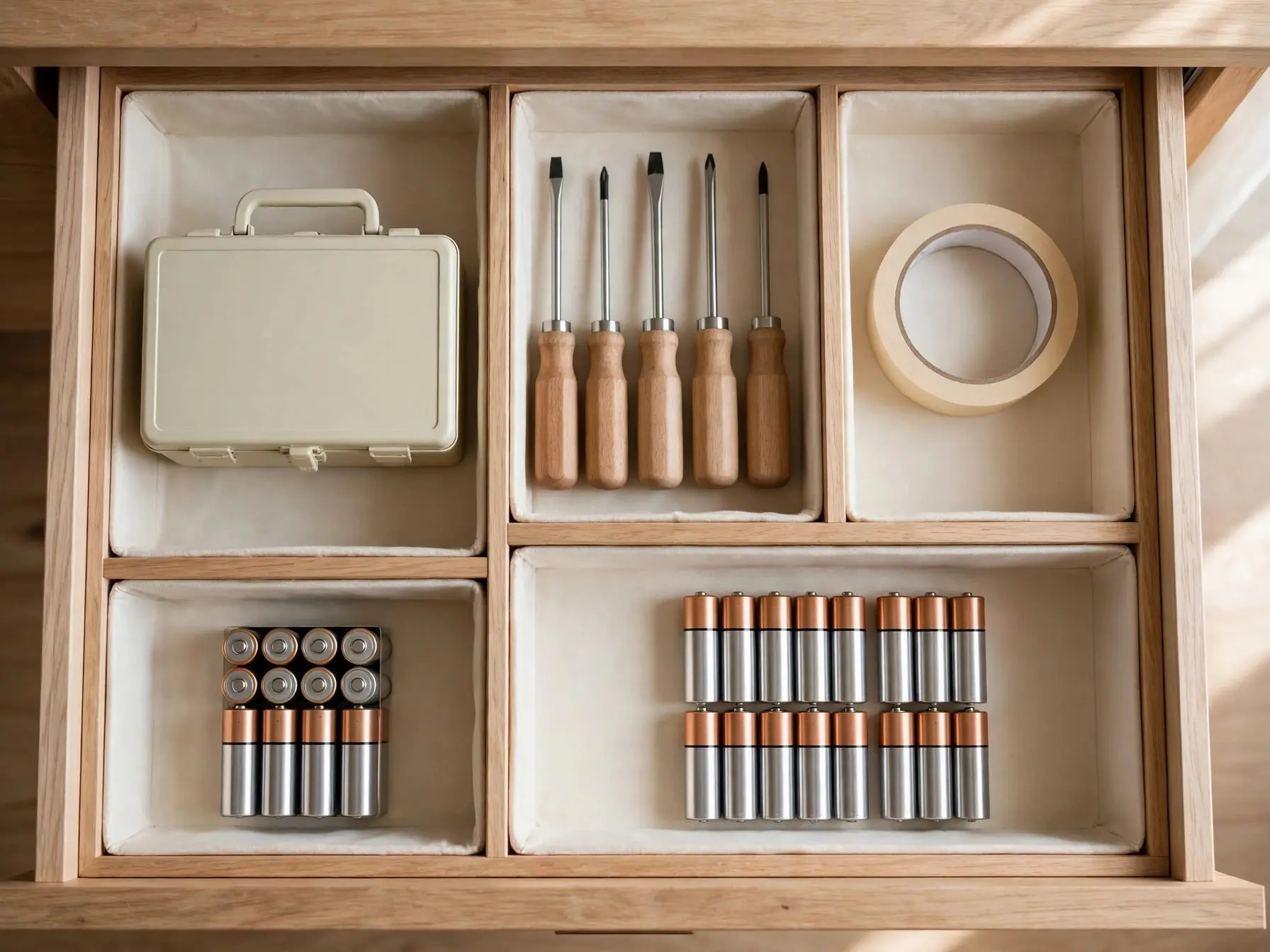
Finish drawer week with the tool and battery drawer. Keep one screwdriver set, a hammer, tape, spare batteries and a torch that works. Toss single screws from unknown furniture, dead batteries and tools broken beyond use.
Test the torch and check battery dates before you close the drawer. Seven drawers down, and you have already proved you can keep a daily habit for a full week.
Week two: surfaces (Days 8–14)
Week two moves from inside drawers to the surfaces you see all day. Clearing a counter or a tabletop changes how a whole room feels, and it is the week guests notice most.
Day 8: The kitchen counters
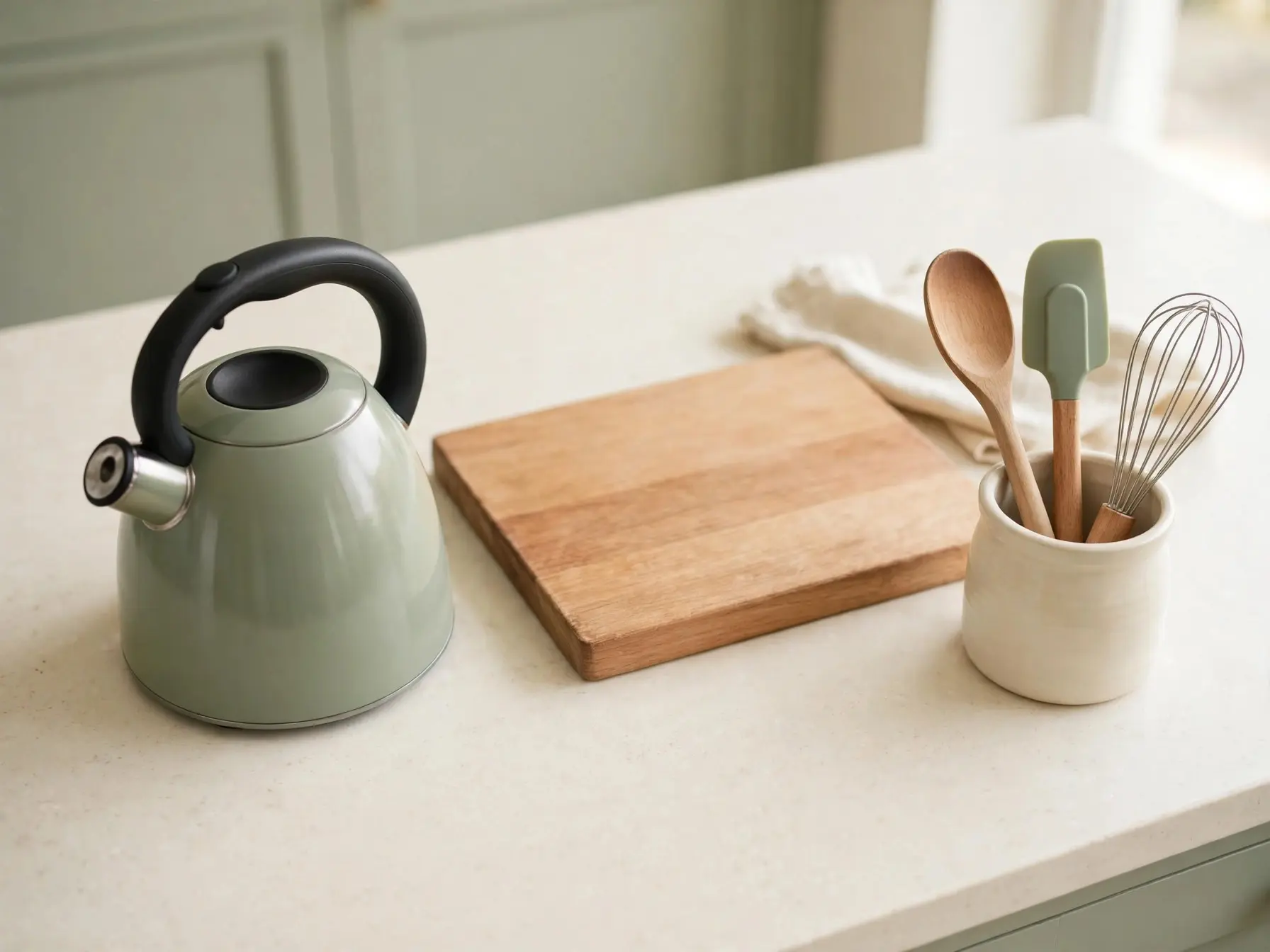
Clear the kitchen counters completely, wipe them down, and put back only the daily essentials: the kettle or coffee maker, a cutting board and a crock of everyday tools. Appliances you use less than weekly move to a cabinet, and the mail pile moves to the paper pile you will tackle on day 29.
Aim for at least one stretch of empty counter, wide enough to actually work on. That empty space is the reward for the whole week, so protect it: nothing new lands there without a home.
Day 9: The dining table
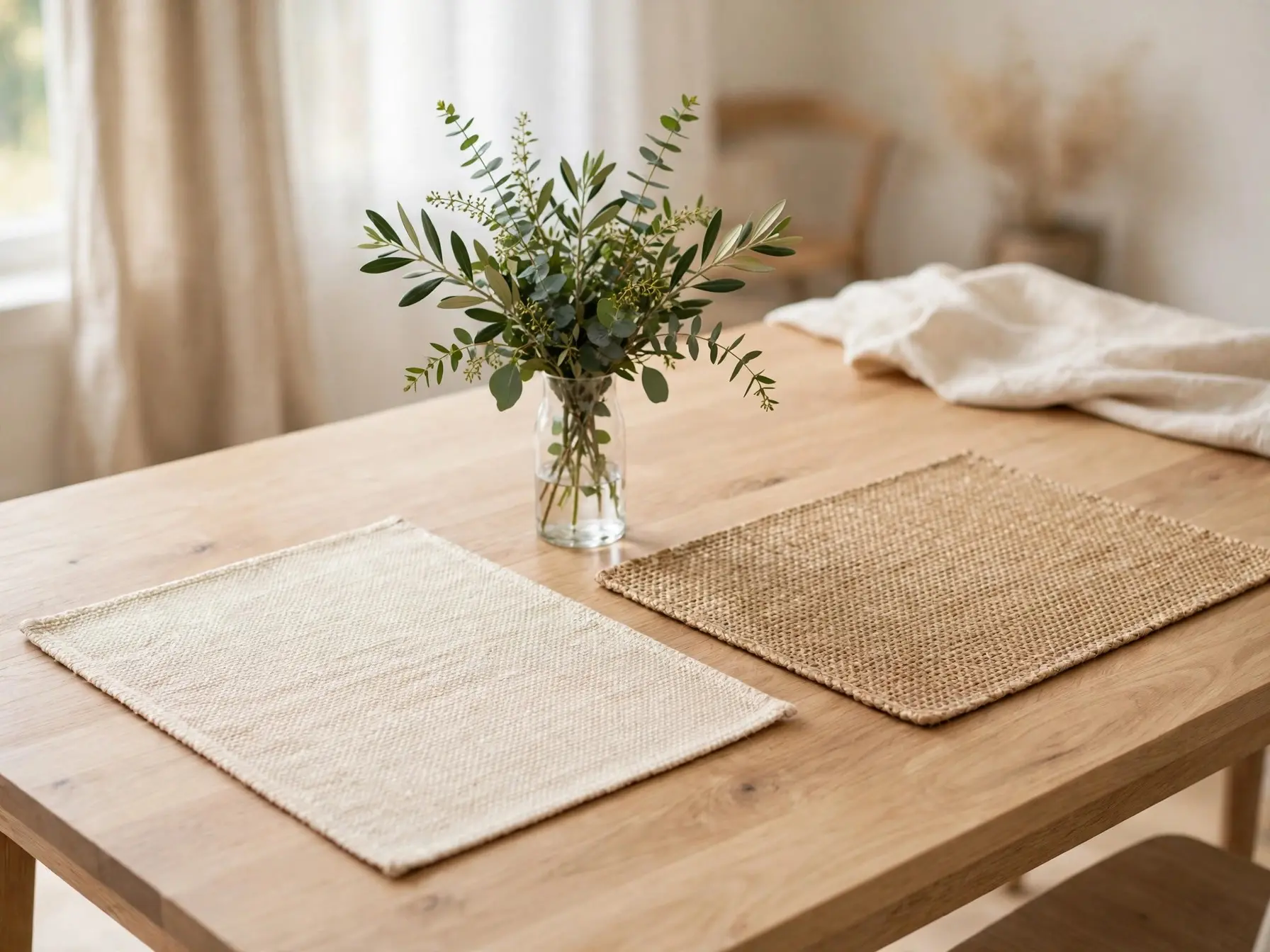
Strip the dining table back to a bare surface, then add back only one simple centerpiece if you like one. School bags, laptops, craft supplies and unopened mail all find their proper rooms today. A table that is clear at dinner time gets used for dinners instead of storage.
If the table has become the household dumping ground, add a small rule: nothing stays on it overnight except the centerpiece. Fifteen minutes tonight resets it; the rule keeps it reset.
Day 10: The coffee table and living room surfaces
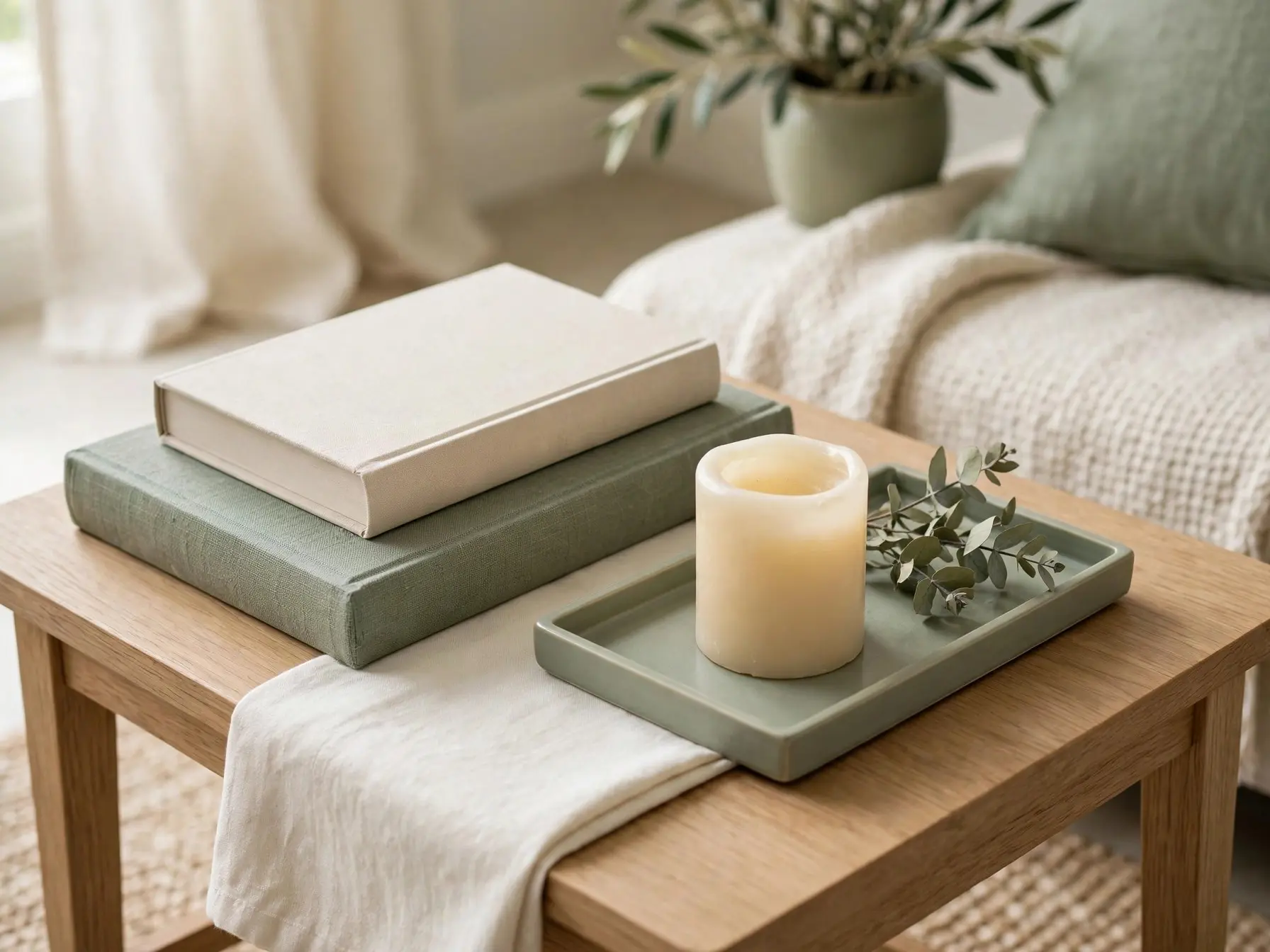
Clear the coffee table and any side tables down to one tray or a couple of books. Recycle old magazines, return mugs to the kitchen, and gather stray remotes into one spot. A single tray corrals the remotes and coasters so the surface reads as calm, not empty.
Flip through the magazine stack honestly: if you have not read it in a month, you will not read it. Keep at most two current issues and recycle the rest.
Day 11: The bathroom counter
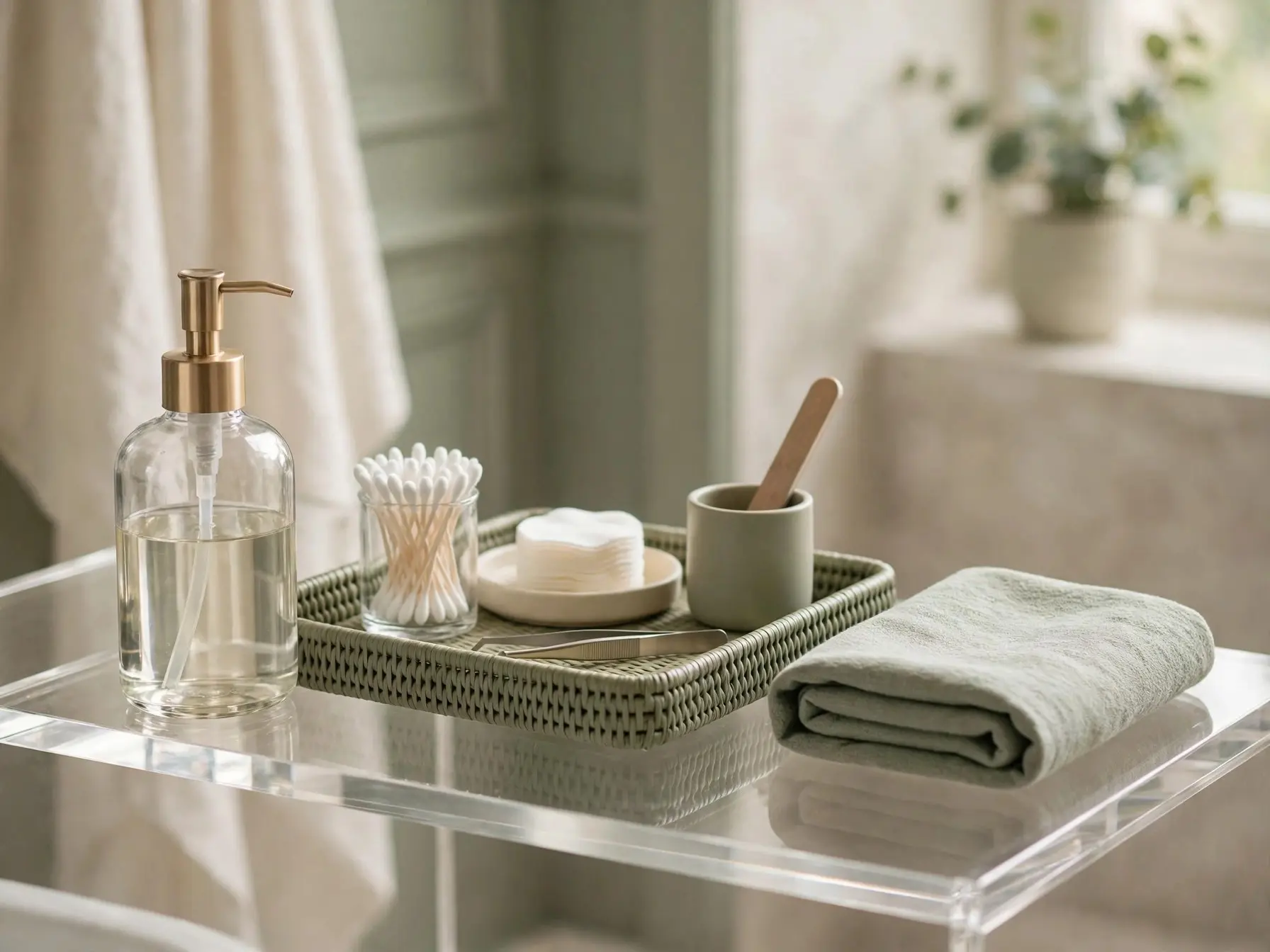
Take everything off the bathroom counter, clean it, and return only what you use daily: soap, toothbrushes and one or two skincare items. Everything else goes back into the drawer you organized on day 3 or into the cabinet. A small tray keeps the daily items grouped and the counter wipeable.
Count the bottles before you put anything back. Most bathroom counters hold three times the products anyone uses in a week, and the extras are usually half-empty duplicates.
Day 12: The desk surface
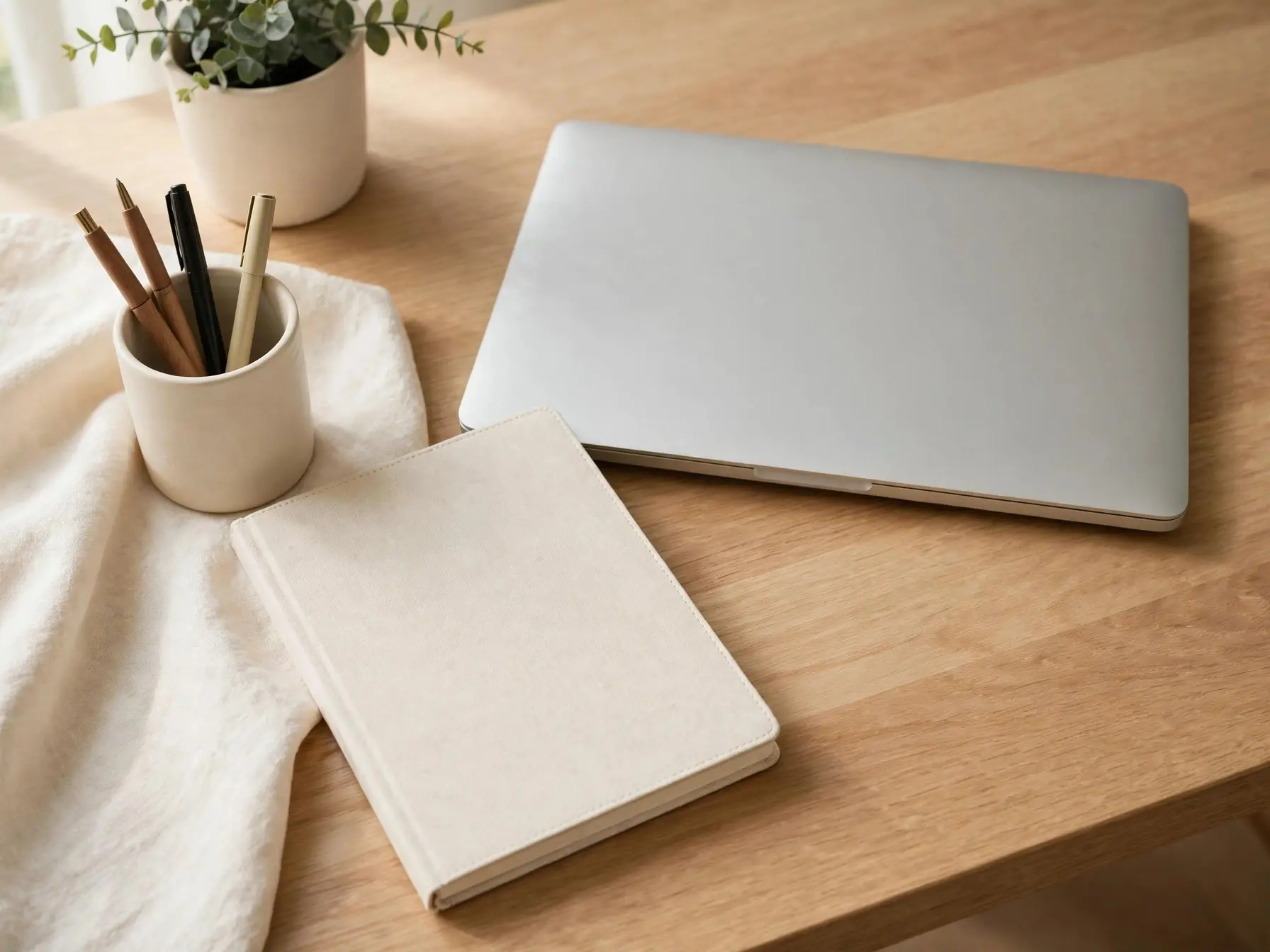
Clear the desk to the laptop, a notebook, a pen cup and one item you enjoy looking at. File the loose papers into the day 29 pile, return books to shelves, and coil or clip the cables. A clear desk makes the next work session start faster, because there is nothing to clear first.
If cables are the mess, one adhesive clip or a short cable sleeve solves it in two minutes. Do not reorganize the whole setup today; the surface is the task, not the wiring.
Day 13: The entryway console top
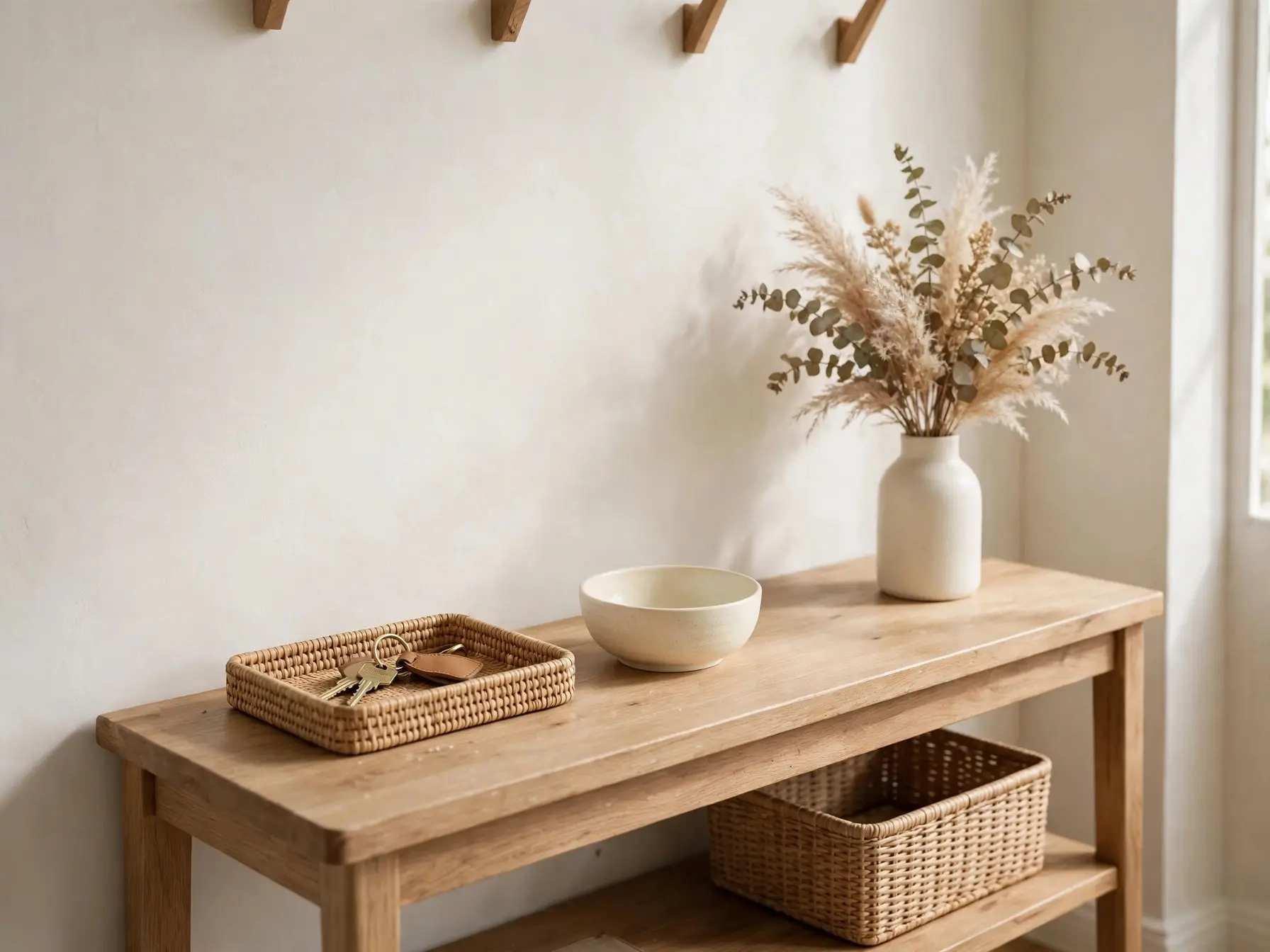
Reset the entryway console top to keys, one small bowl and nothing else that is not decorative. Mail goes to the day 29 pile, bags go to their hooks, and shoes move to the shoe storage you will sort on day 17. The first thing you see when you walk in should be calm, not a to-do list in object form.
Put a small basket by the door for the items that always land here, and empty it every Sunday. The basket is a landing pad, not a second drawer.
Day 14: The nightstand top
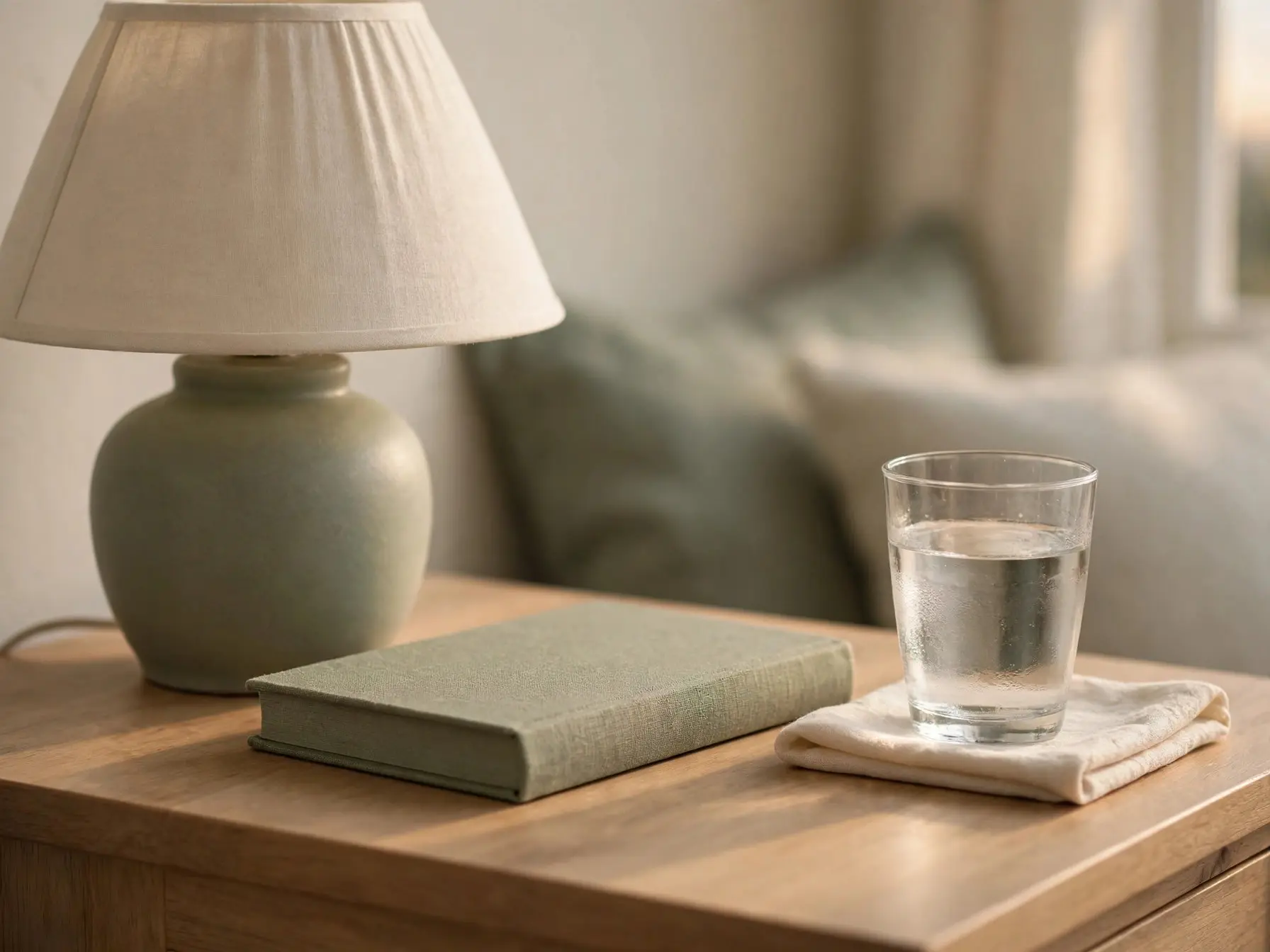
Clear the nightstand top to a lamp, a book and a glass of water. Old water glasses, chargers for other rooms and the book pile you will never finish tonight all leave. Two weeks in, half the challenge is done, and every surface you use daily is now clear.
Keep one book on the nightstand, not a stack. A stack is a guilt pile; one book is a bedtime habit.
Week three: closets and storage (Days 15–21)
Week three goes bigger: closets, shelves and the storage spots where things hide in bulk. This is the week to finally buy a few containers, now that you know exactly what needs containing.
Day 15: The closet floor

Clear the closet floor completely. Shoes go in a row or on a rack, bags hang or stack, and anything that fell off a hanger gets hung or donated. One clear bin for off-season items keeps the floor visible, which is the whole point: you can only use storage you can see.
Anything on the closet floor that you forgot you owned is a donation candidate. If it survived a year on the floor untouched, it is not part of your wardrobe.
Day 16: Hanging clothes
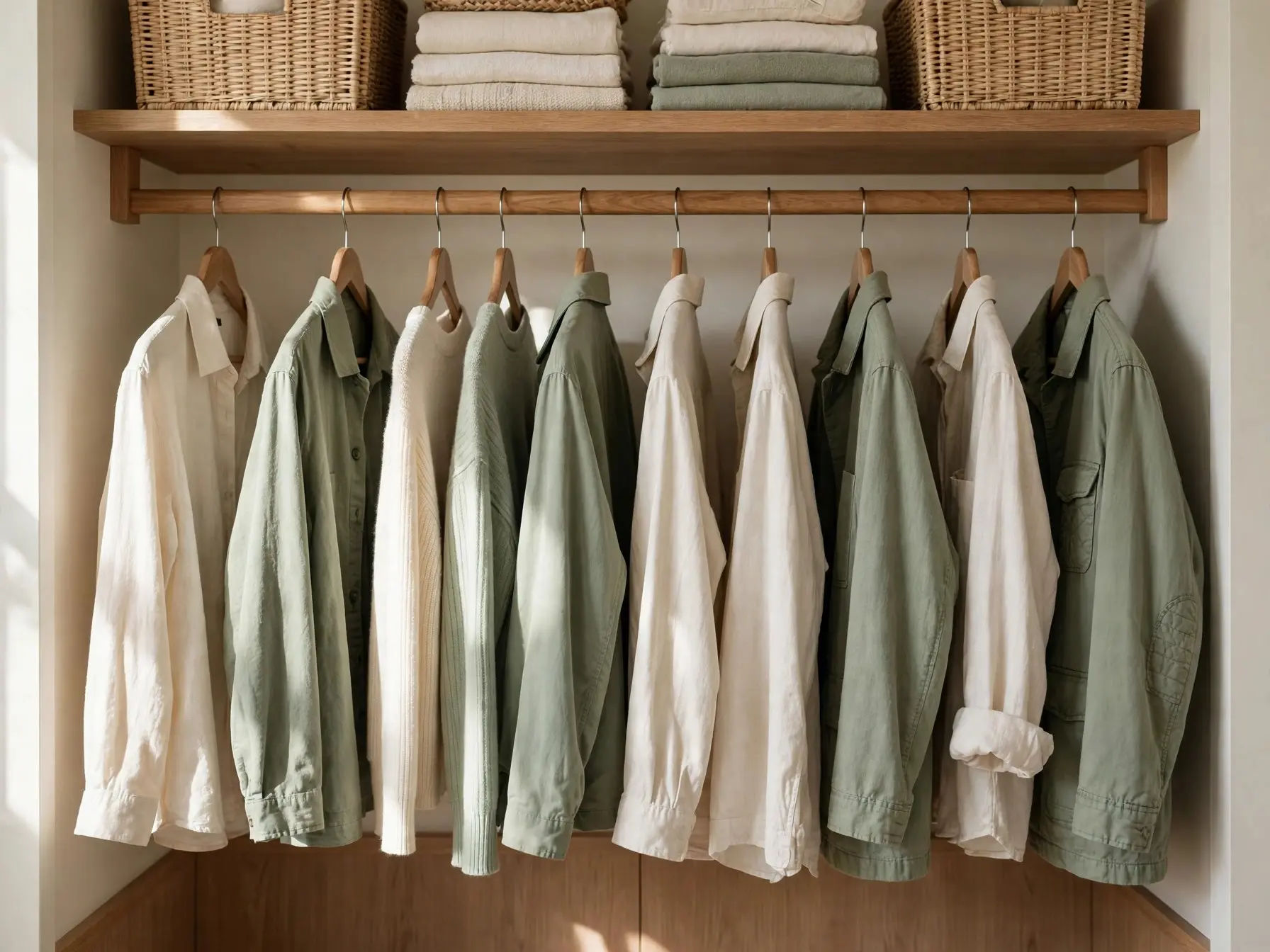
Work along the rail and pull anything unworn in the last year, anything that does not fit, and anything damaged. Turn the hangers of keepers the same way so the rail looks orderly and tomorrow’s outfit is easy to spot. Donations go straight into the bag, not back on the rail “for now.”
Use the hanger trick going forward: after wearing something, hang it the other way. In six months, the hangers still facing the old way mark the next donation round for you.
Day 17: The shoe pile
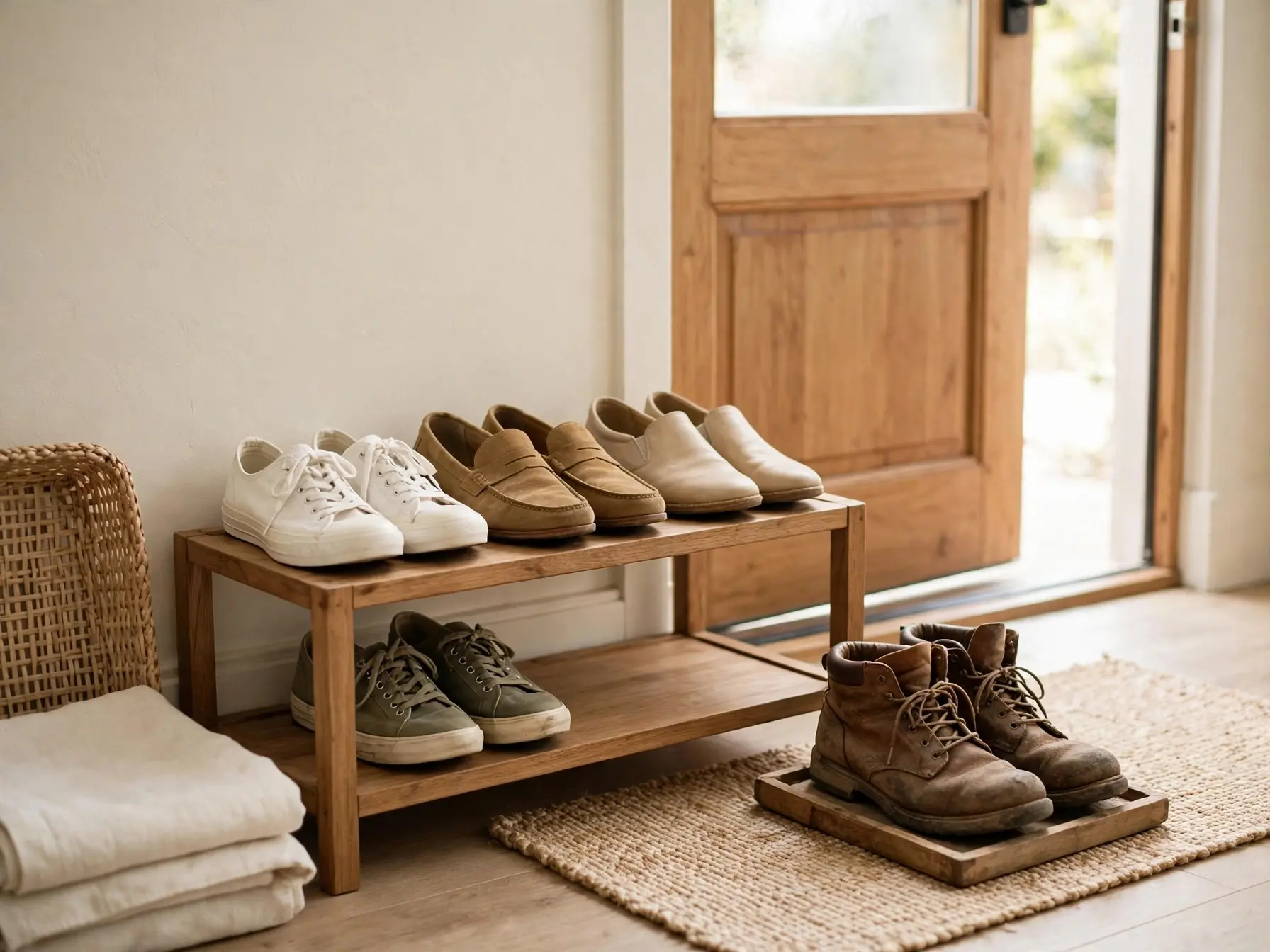
Gather every pair of shoes from the entryway, the closet and the bedroom corners into one pile. Keep the pairs you wear weekly, one pair for dressy occasions and one for bad weather. Worn-out soles, single shoes and pairs that hurt go out today.
A low rack or a row by the door ends the nightly shoe drift. One pair per person by the door, the rest in the closet, is a rule the whole household can follow.
Day 18: The linen closet shelves
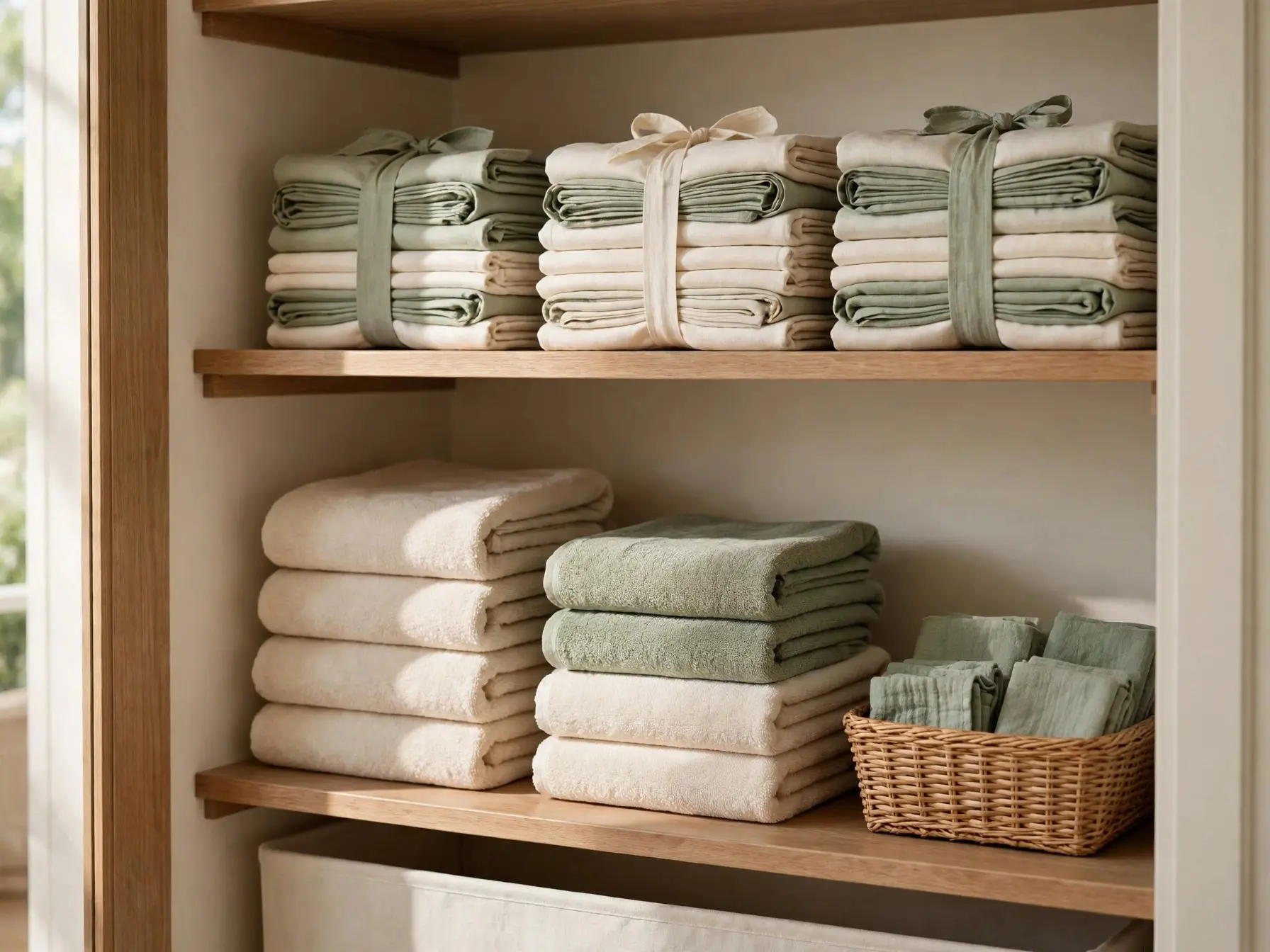
Refold the linen shelves, matching sheet sets inside their pillowcases so a set is one bundle, not four loose pieces. Keep two sets per bed plus guest bedding, and retire stained, threadbare or single towels to cleaning rags or the donation bag.
Label the shelves if the household shares the closet: bath towels, hand towels, bedding. Labels stop the next person from undoing your folding in one hurried grab.
Day 19: The pantry shelves
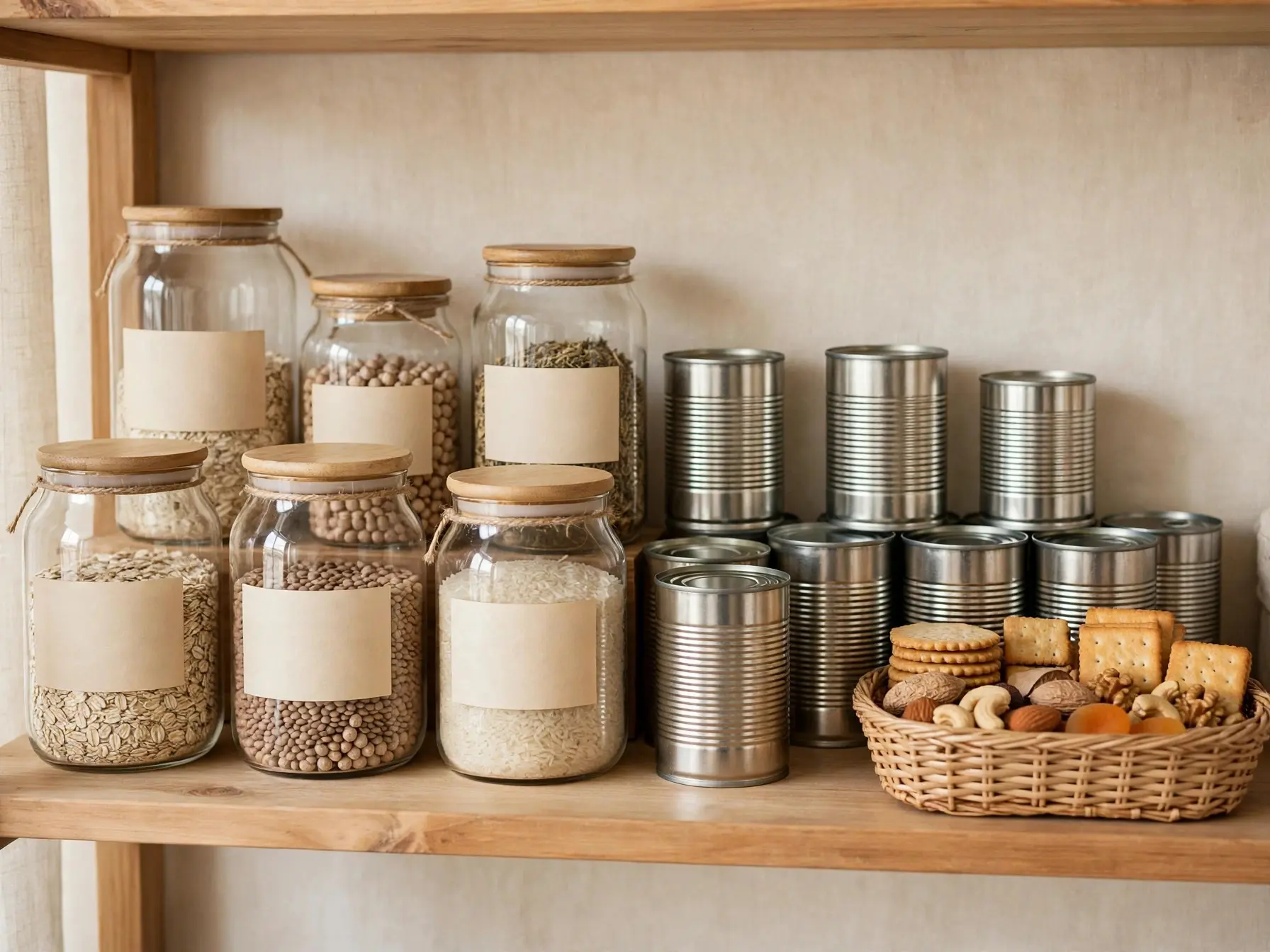
Work one pantry shelf at a time: toss expired food and stale snacks, group cans together, and put everyday items at eye level. Clear jars or small baskets keep categories visible, and a quick wipe of each shelf before restocking makes the whole pantry feel new.
Check the back rows honestly. Three half-used bags of the same flour, sauces from a cuisine phase you left behind, and anything past its date all go. The pantry should feed this month’s cooking, not archive last year’s.
Day 20: The coat closet
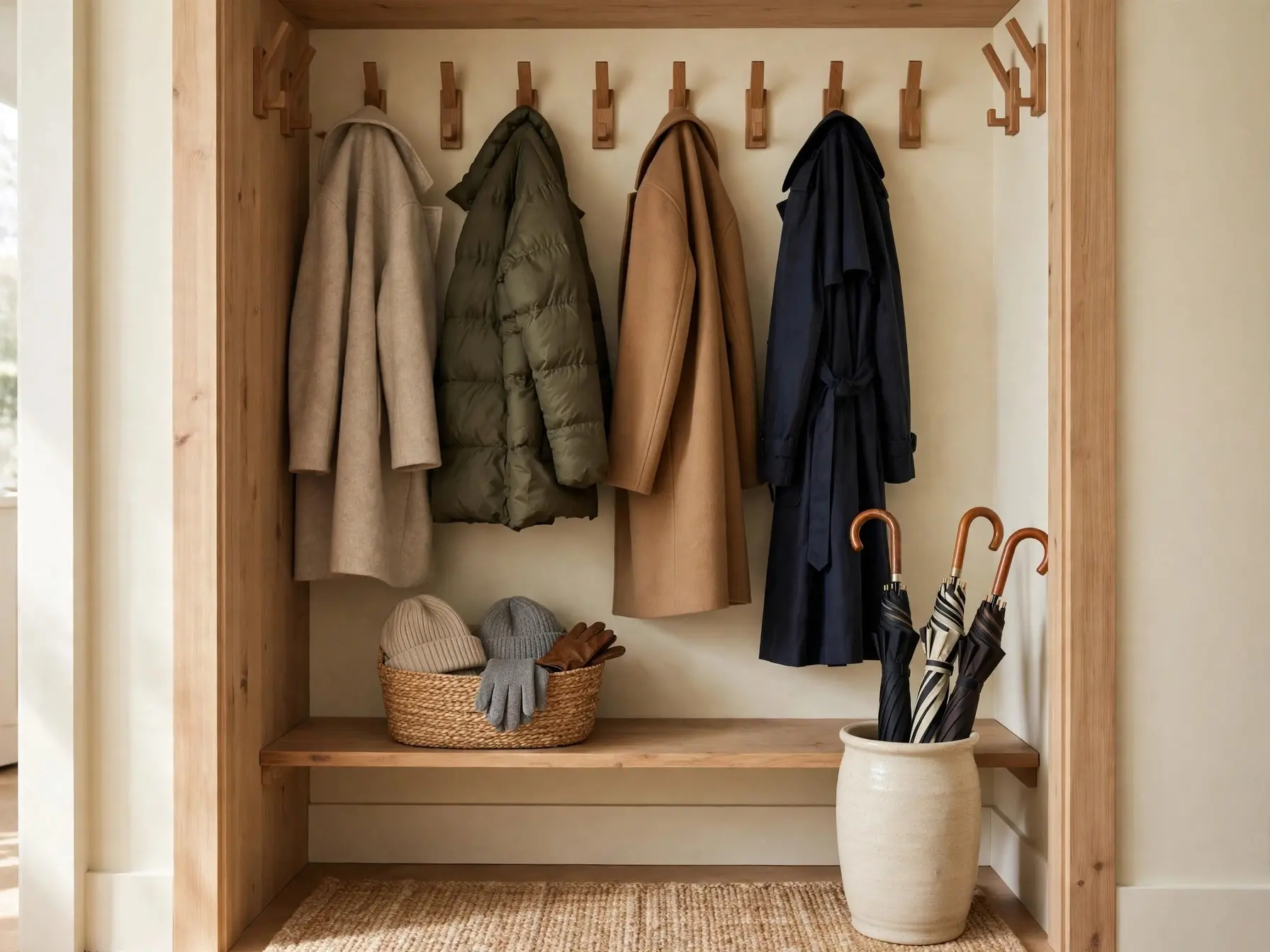
Empty the coat closet and keep only the coats, jackets and outerwear your household wears this season. Outgrown kids’ coats, single gloves and broken umbrellas go. A basket for hats and gloves and a hook per person keep the closet working through winter.
Off-season coats move to the under-bed bin you will organize tomorrow, not back onto the hooks. Seasonal rotation is what keeps a small coat closet from overflowing.
Day 21: Under-bed storage
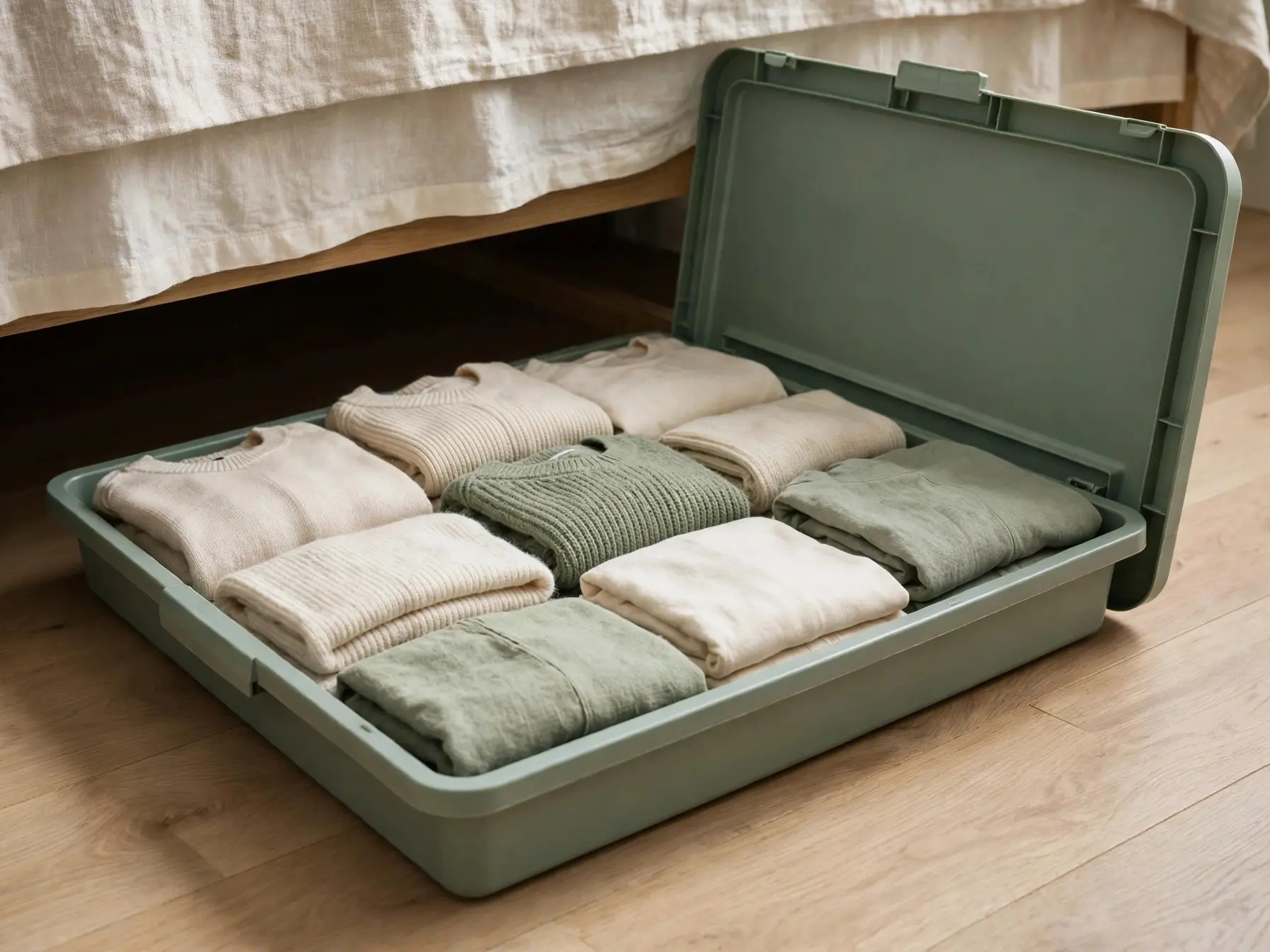
Pull out every under-bed bin and sort it: off-season clothes stay, gift wrap and keepsakes get their own bins, and anything you forgot was there goes. Label each bin on the end you can see when it slides back, so you never have to pull out three bins to find one thing.
Three weeks done. The hidden storage is sorted, the visible surfaces are clear, and the final week is the rooms themselves.
Week four: rooms and the finish line (Days 22–30)
The final week finishes whole rooms and the two spots everyone avoids: the fridge and the paper pile. Day 30 is a gentle ending, not another purge.
Day 22: The living room shelves
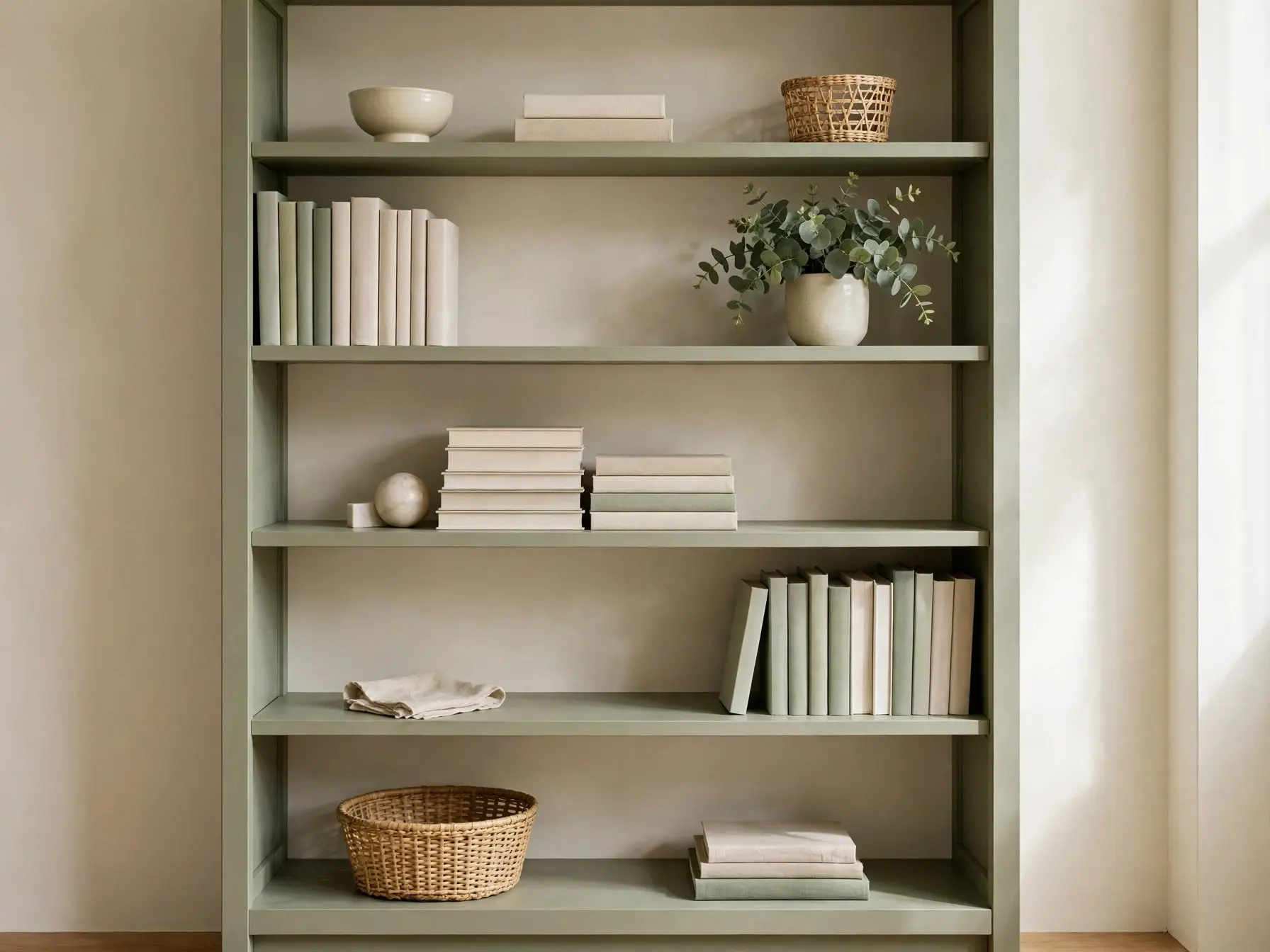
Clear one bookshelf or living room shelving unit, dust it, and put back only books you will reread, items you love looking at, and a plant or two. Broken electronics, old remotes and cables migrate to the utility drawer or out. Leave some empty space on each shelf: a shelf packed edge to edge reads as storage, not display.
If a shelf holds books you will never open again, box them for donation tonight. A home library is a reading collection, not an archive of good intentions.
Day 23: Kids’ toys, one bin at a time
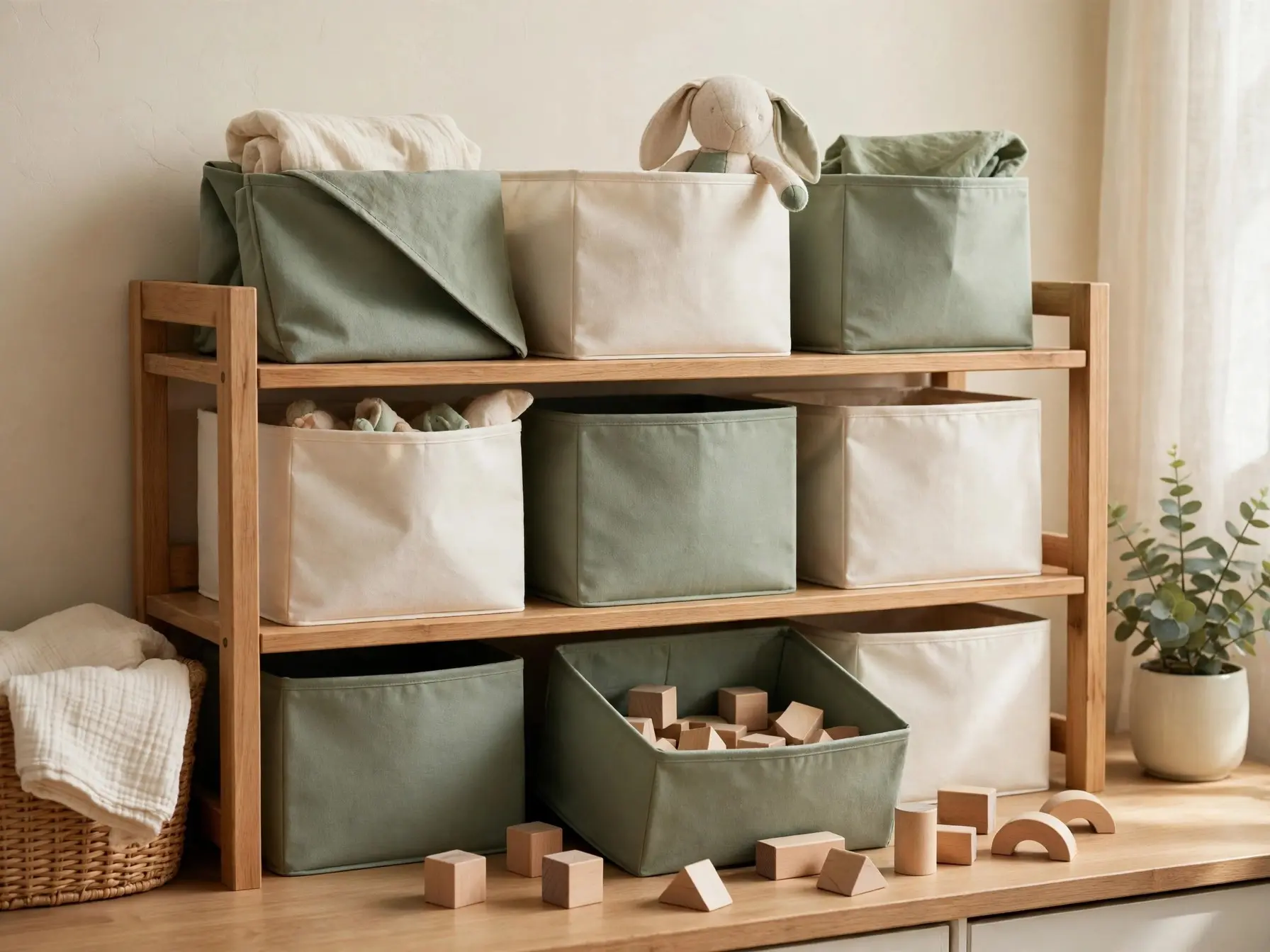
Pick one toy bin, not the whole playroom. Remove broken toys, pieces without a set, and anything outgrown, then put the keepers back in a labeled bin. If the kids are old enough, let them choose one toy to pass on; children who choose the donation keep the habit.
Rotate instead of displaying everything: keep a few bins out and store the rest. Swapping a bin next month feels like new toys without buying any.
Day 24: Books and media
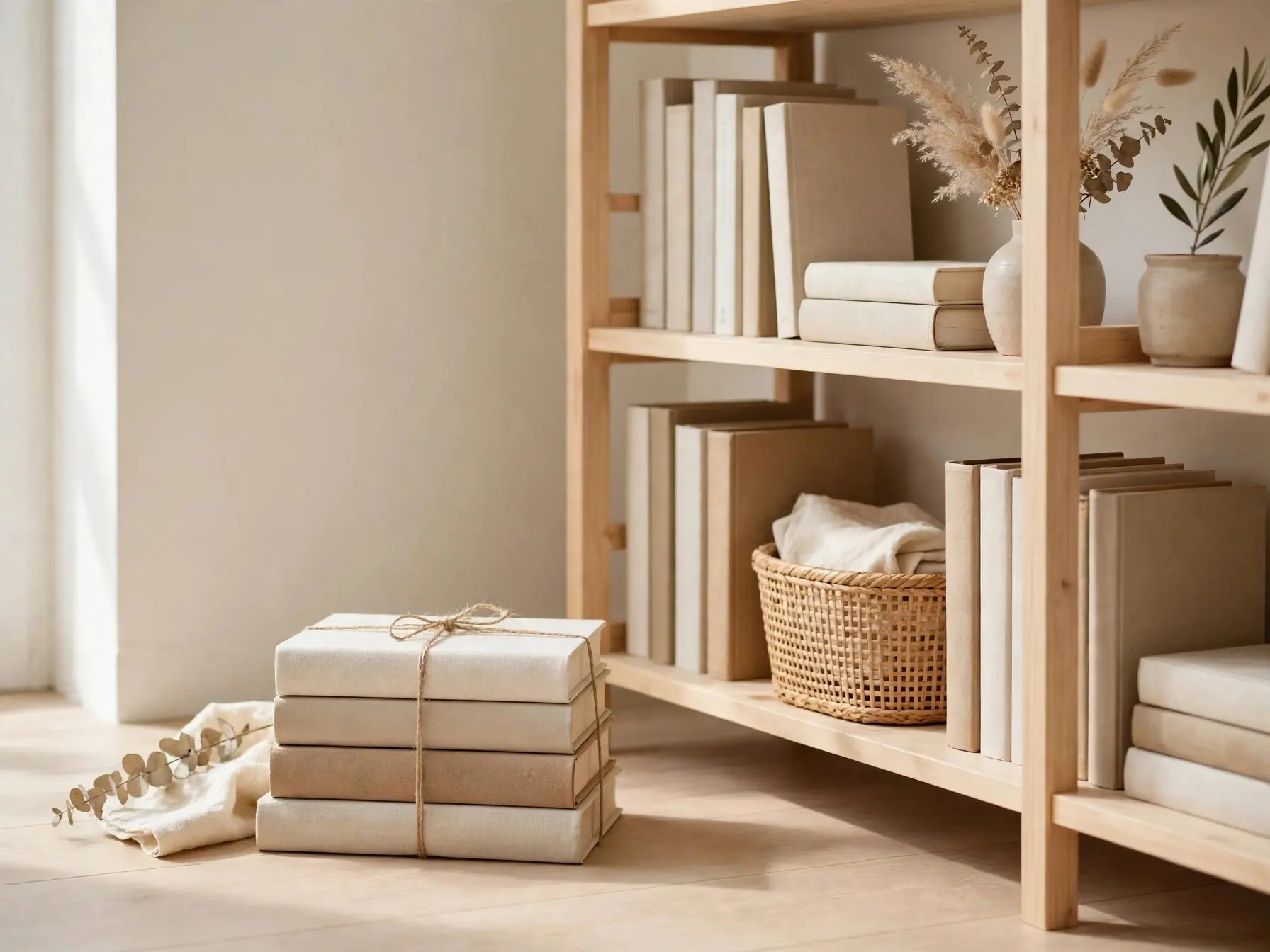
Gather books from nightstands, coffee tables and hallway stacks into one pile and keep only the ones you will reread or reference. Old DVDs, CDs and game cases you no longer play go in the same donation box. A slim case replaces a shelf of plastic boxes for the few discs worth keeping.
Be honest about the “someday” shelf. If a book has waited three years unread, it is waiting for its next owner, not for you.
Day 25: The fridge, top to bottom
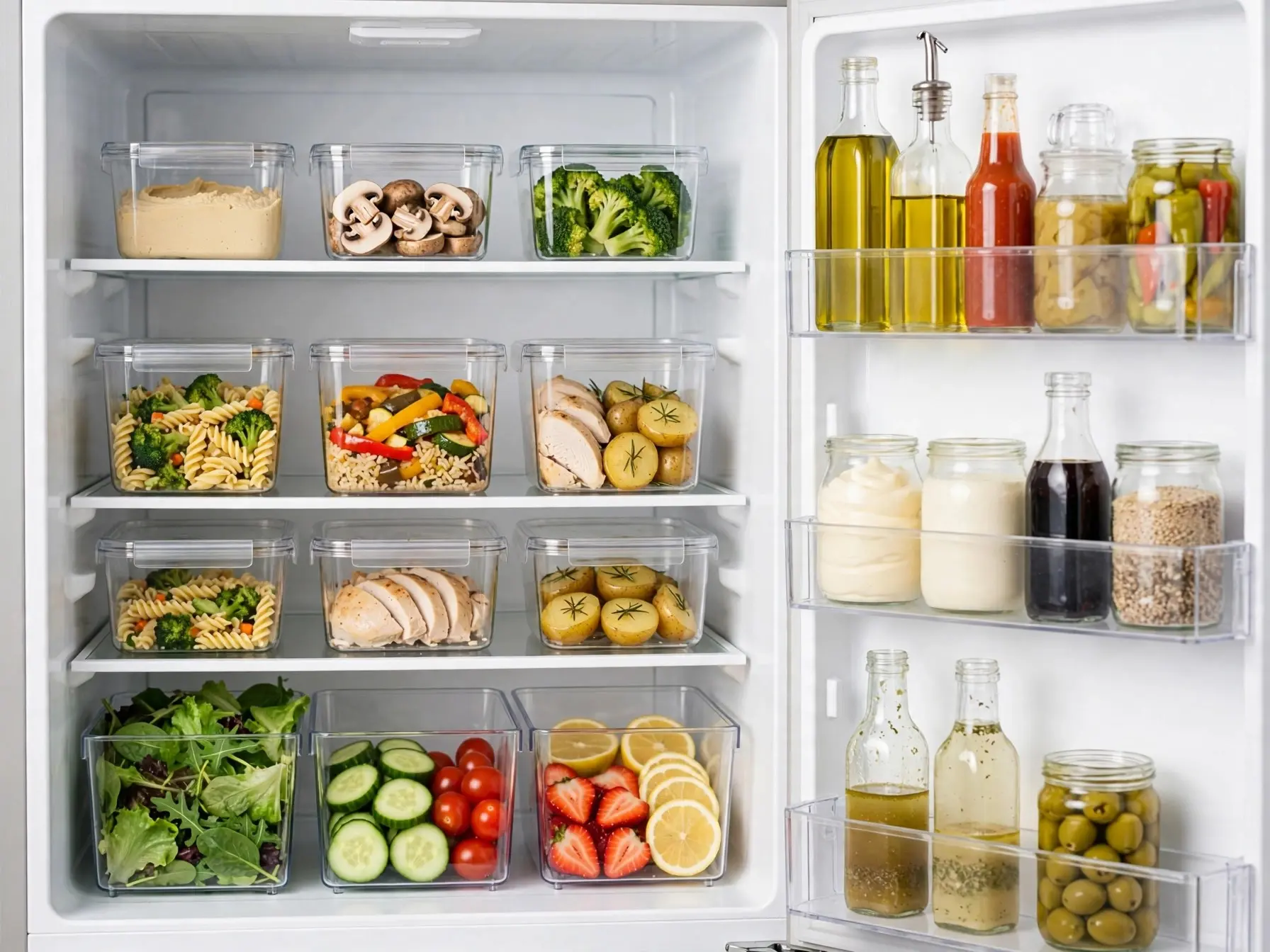
Work the fridge shelf by shelf: toss expired food and mystery leftovers, wipe each shelf, and group like with like, condiments on the door, leftovers in clear containers at eye level. A small bin for snacks stops packets from sliding behind the milk.
Label leftovers with the date as you put them back. The label is what turns “is this still good?” into a five-second answer for the rest of the week.
Day 26: The freezer
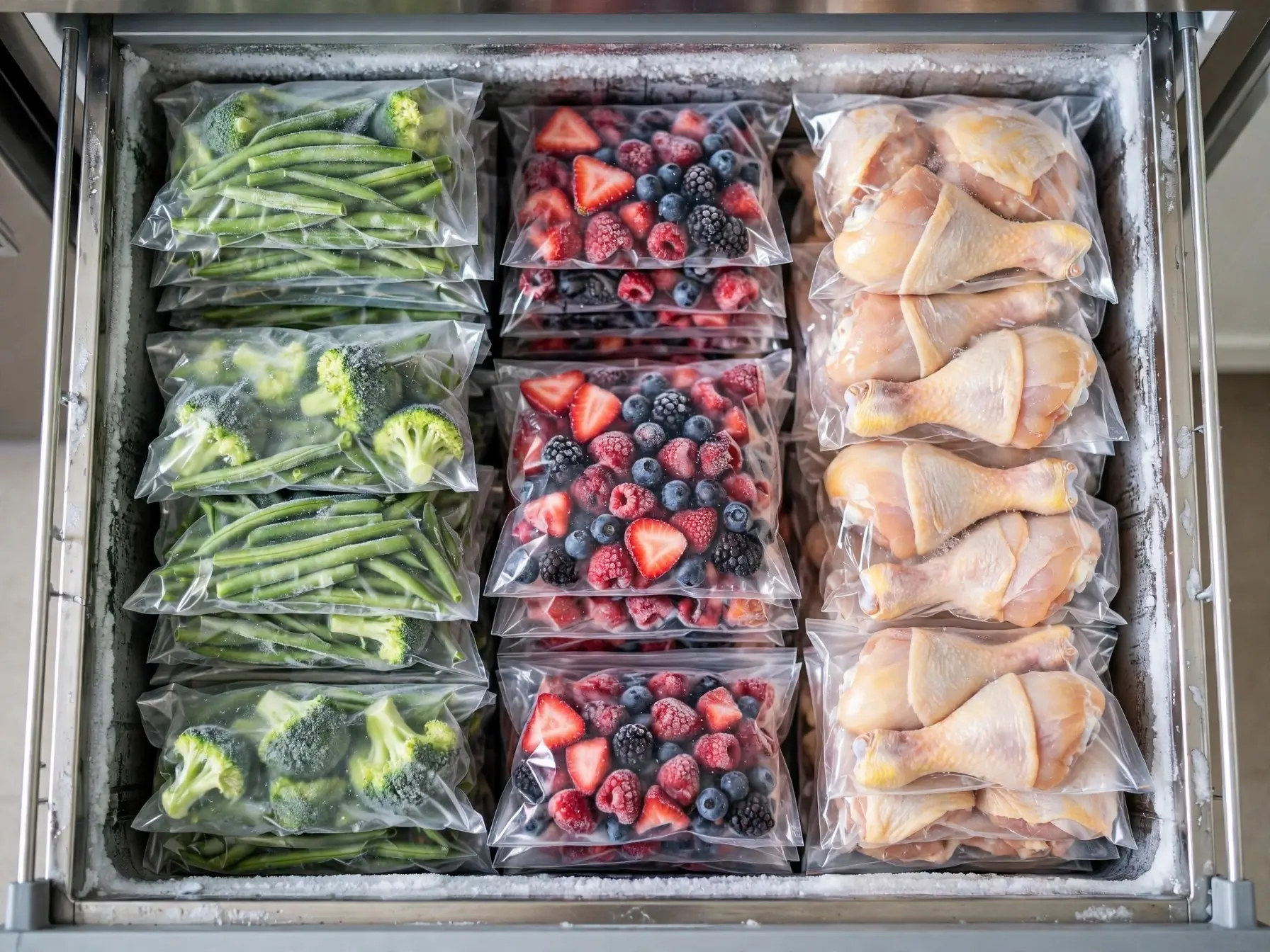
Empty the freezer drawer by drawer, toss freezer-burned food and unlabeled bags you cannot identify, and restack flat bags by type: vegetables, meat, bread, meals. Flat stacking doubles usable space and makes the next meal plan a glance, not a dig.
If an item has no label and no date, it goes. An unidentified frozen block is not a meal plan, it is a science project.
Day 27: The laundry area
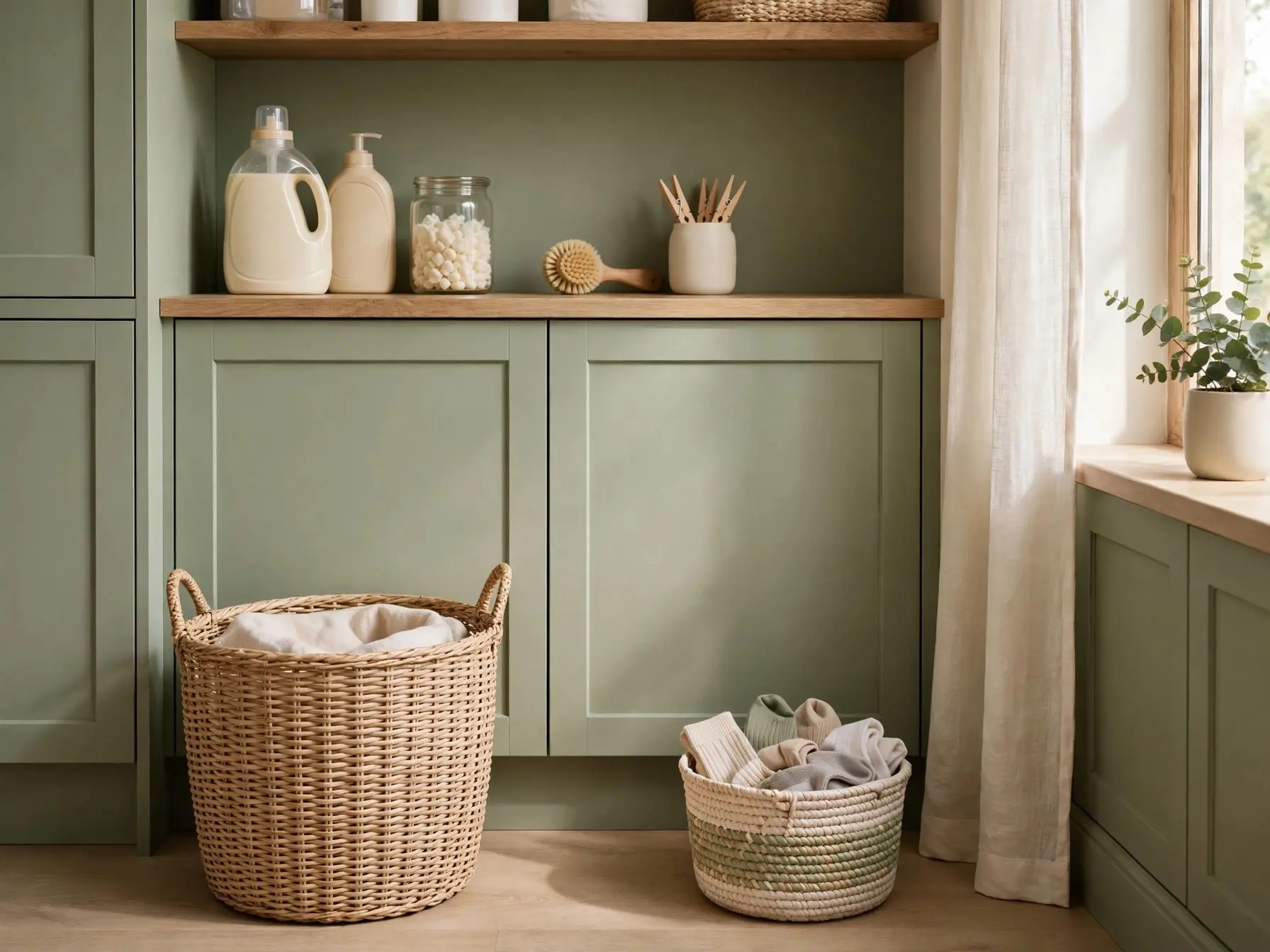
Sort the laundry area: detergent and supplies on one shelf, a hamper that actually fits the space, and a small basket for single socks awaiting their partners. Toss empty bottles, single socks older than a month, and cleaning products you never use.
Give the single-sock basket a monthly deadline. Partners that do not turn up by then go, and the basket starts fresh.
Day 28: The garage entry and mudroom storage
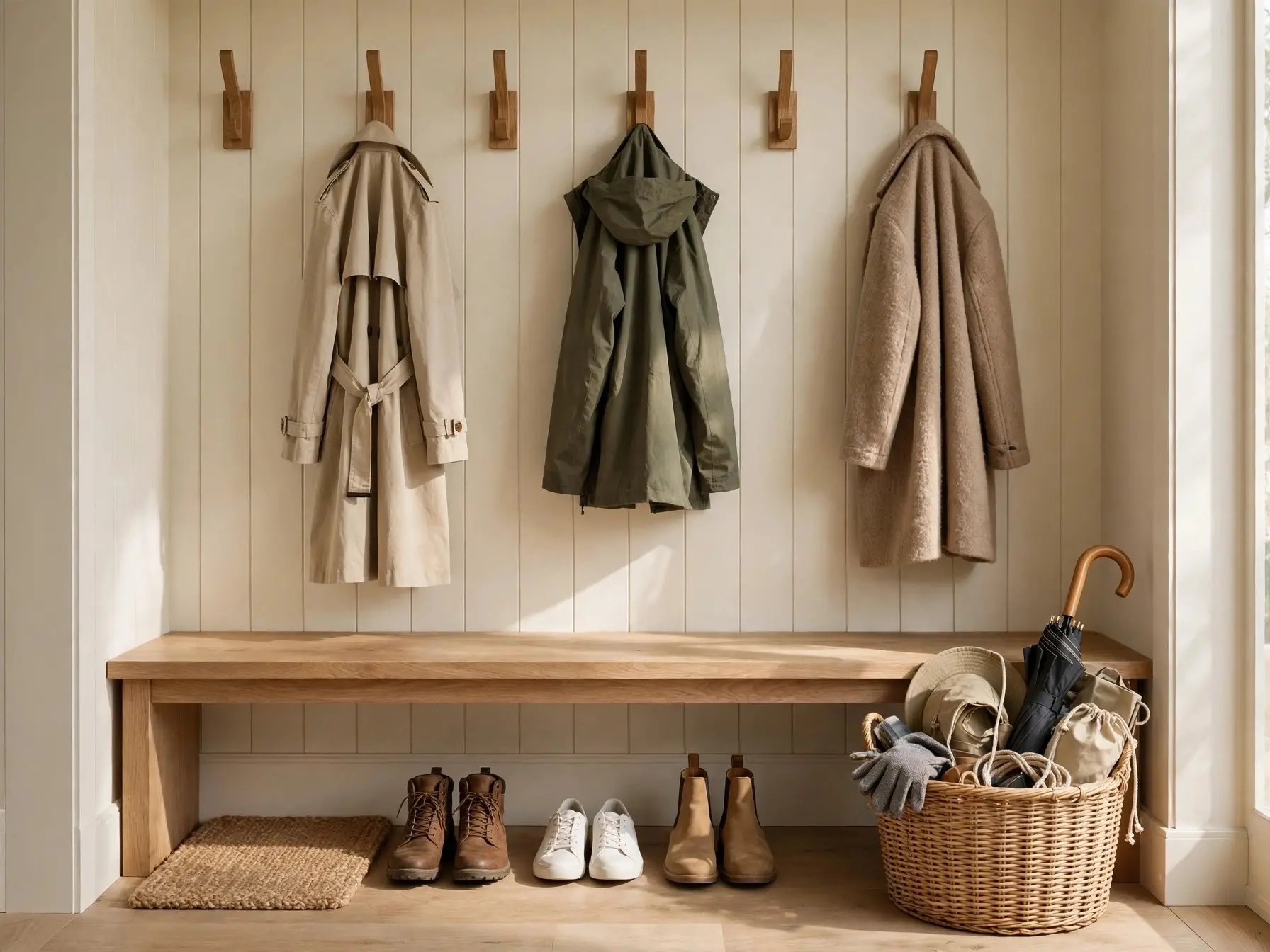
Reset the mudroom or garage entry: coats on hooks, shoes below the bench, and outdoor gear in one basket. Broken umbrellas, outgrown sports gear and the box that has sat by the door since the move all leave today. This zone works hardest in winter, so it deserves a proper reset before the cold months.
One hook per person and one basket per family is enough structure. Anything that does not fit the hooks or the basket lives elsewhere or leaves.
Day 29: The paper pile
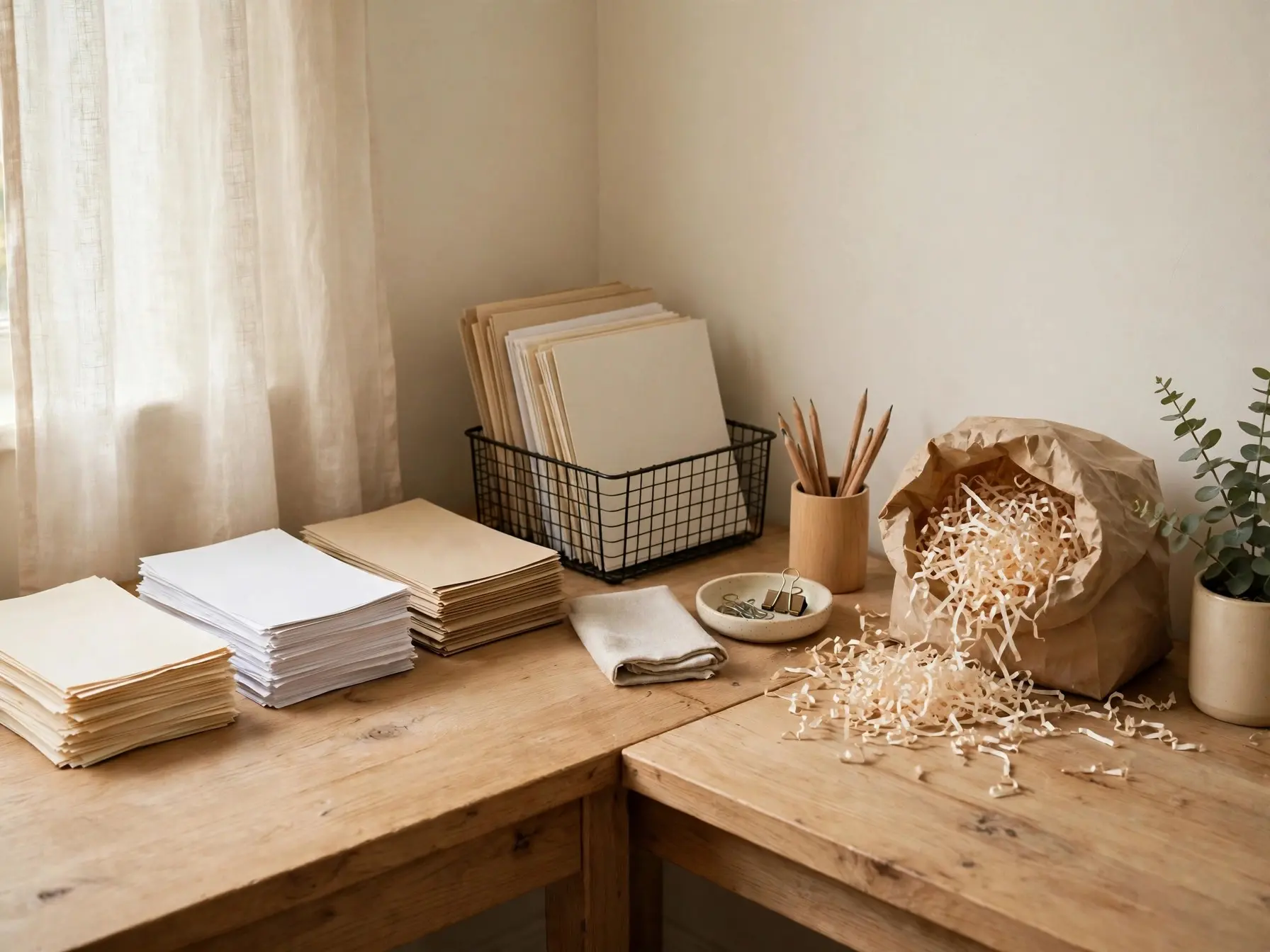
Collect every paper pile in the house into one spot and sort fast: act on it, file it, recycle it, or shred it. Keep one slim folder for this month’s action papers and one tray for incoming mail. Everything else either has a file home or leaves the house.
Set the timer strictly for this one. Paper expands to fill any time you give it, so sort in passes: obvious recycling first, then action items, then the small remainder that genuinely needs filing.
Day 30: The keepsake box and final walk-through
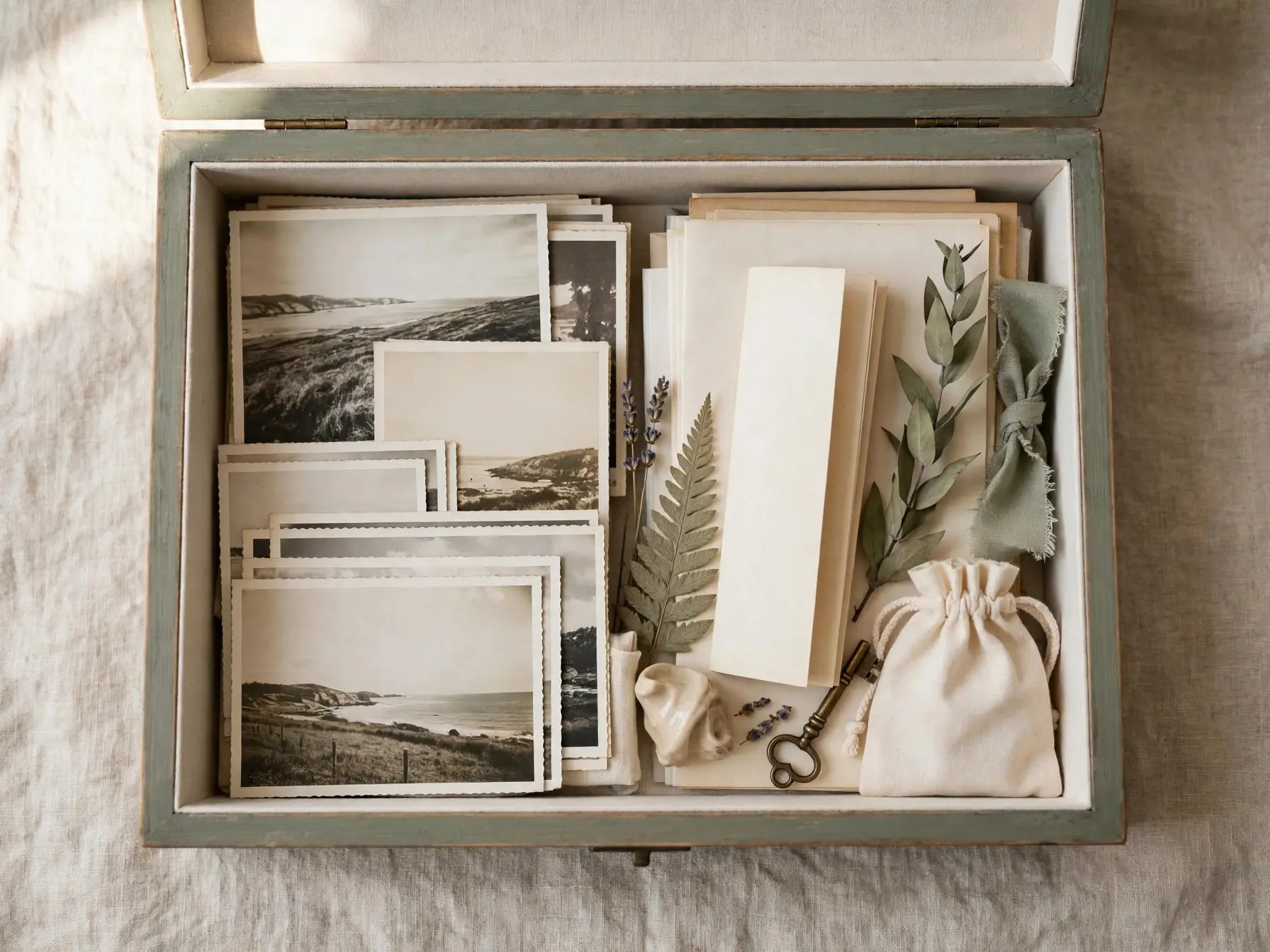
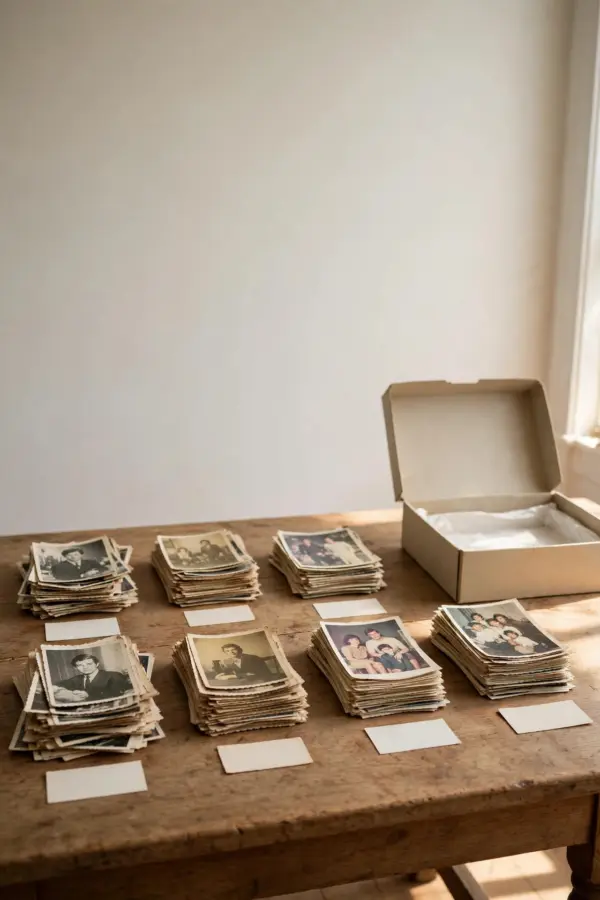
End gently. Gather sentimental items into one keepsake box per person, keeping the pieces that truly carry a memory and letting the duplicates and vague “might want it someday” items go. Then walk through the house room by room, noticing what is different: clear counters, closed drawers that open smoothly, closets you can see into.
Take the donation bags out of the house today, not “soon.” The challenge ends when the bags leave, and the lighter home you walk back into is the whole point of the month.
Too much? Do the 7-day version
If 30 days feels like too much right now, do the 7-day version instead. It covers the highest-impact tasks, one per day for a week, and you can always run the full challenge later from a much tidier starting point.
- Day 1 of the 7-day version: the junk drawer (challenge day 1).
- Day 2: the kitchen counters (challenge day 8).
- Day 3: the bathroom drawer and counter (challenge days 3 and 11).
- Day 4: hanging clothes (challenge day 16).
- Day 5: the pantry shelves (challenge day 19).
- Day 6: the fridge (challenge day 25).
- Day 7: the paper pile (challenge day 29).
Seven days will not finish the whole house, and it does not need to. It clears the spots you touch every day, which is where a reset is felt fastest. When the week is done, pick the next week of the full challenge and keep going at your own pace.
Questions, answered
The 30-day declutter challenge is a month-long plan with one small decluttering task per day, from a single drawer to a whole fridge. It groups tasks by week, starting with drawers, then surfaces, closets and storage, and finally whole rooms. The goal is a full-home reset in short daily sessions instead of one exhausting weekend purge.
Start with the smallest task on the list: the junk drawer on day 1. Set a 15-minute timer, work with a donation bag and a trash bag, and stop when the timer rings. If even that feels like too much, try the 7-day version above, which covers only the highest-impact spots and lets you build confidence before tackling the full month.
Declutter drawers first, because they are small, quick to finish and give you an early win. Then move to the surfaces you see every day, like kitchen counters and the dining table. January works well for this order: holiday clutter is still fresh, new gifts need homes, and a drawer-by-drawer start keeps the reset from stalling in the first week.
The 30-day declutter challenge assigns one zone per day, so you finish one drawer, surface or shelf each evening. The Minimalism Game, by contrast, removes a rising number of items each day, one item on day one, two on day two, and so on up to 30 on day 30, for 465 items in total. The challenge suits people who like a clear daily zone, while the game suits people motivated by counting items out the door.
Keep reading
Keep the momentum going with our room-by-room guide to decluttering your home room by room, our closet organization ideas for the rail you just purged, and a cleaning schedule for your home to keep the reset from sliding back.
Thirty days, thirty small tasks, one calmer home. Start with the junk drawer today, and let each evening’s small win carry you to the next one.