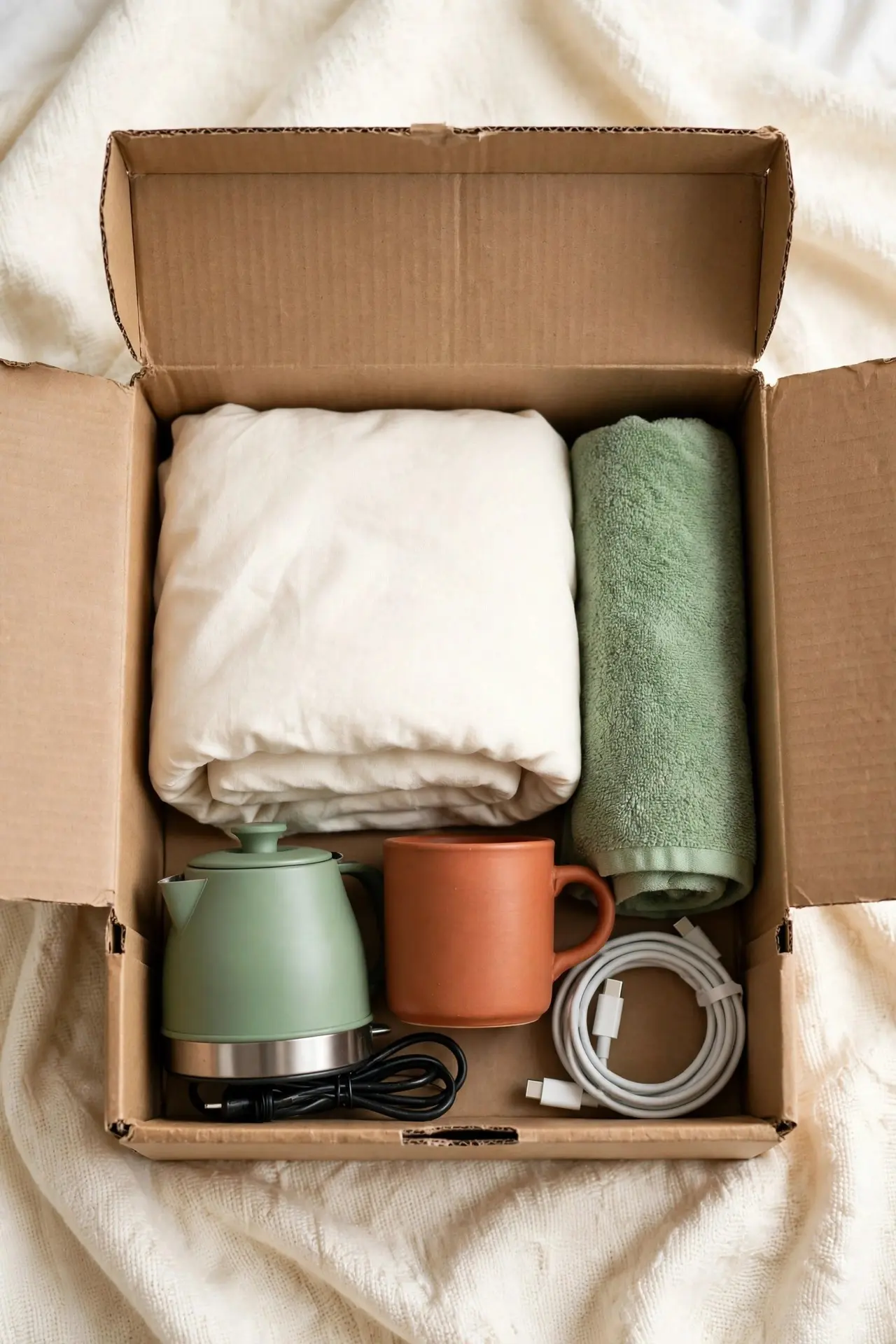
Start packing 6–8 weeks before moving day: declutter first, pack the least-used rooms (guest room, decor, books) first, and keep one clearly labelled first-night box with bedding, towels, chargers and kettle essentials.
Thank you for reading this post, don’t forget to subscribe!Part of our guide: 30 Toy Storage Ideas to Finally Tame the Toy Clutter
This moving checklist turns that opener into a week-by-week plan. Most moves feel chaotic because everything gets packed at once, in the last few days, with no order. Spread the same work across eight weeks and each week has one clear job: declutter, then pack the rooms you use least, then work toward the rooms you use every day, saving the essentials box for last. By moving day, the only boxes left open are the ones you need that night.
8 weeks out: declutter and gather supplies
Eight weeks out is not for packing — it is for deciding what deserves to move at all. Every item you declutter now is a box you never pack, carry, or unpack, and in a smaller new home that saving matters twice over.
- Walk every room with three destinations in mind: keep, donate, and discard. Start with the easiest wins — duplicates, broken items, and things you have not used in a year.
- Book the moving help now if you need it: movers, a van, or friends with a truck. Dates fill fast at month-end and in summer.
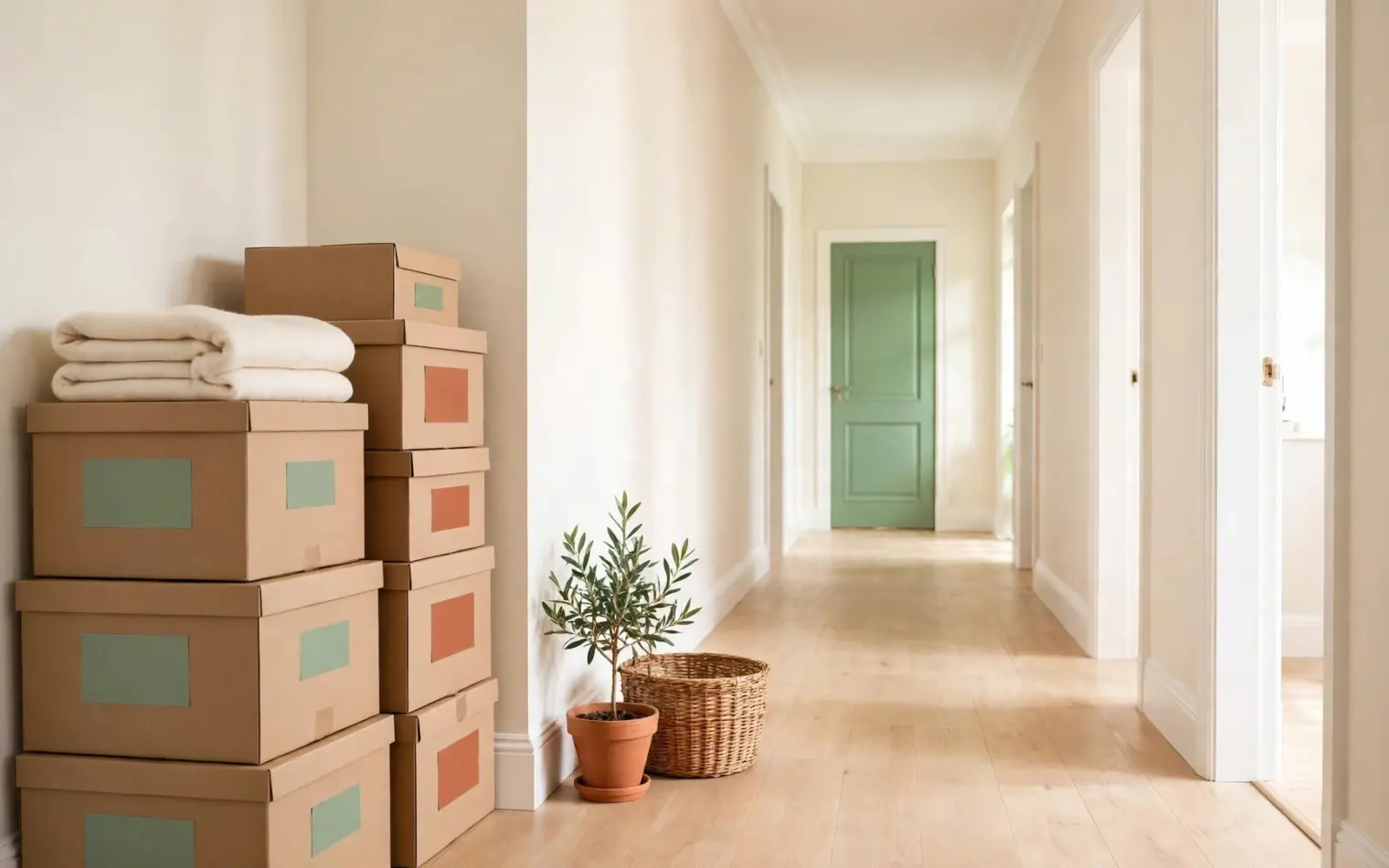
- Gather supplies: sturdy boxes in two sizes, packing tape, tissue paper or towels for wrapping, markers, and color-coded labels or tape, one color per room.
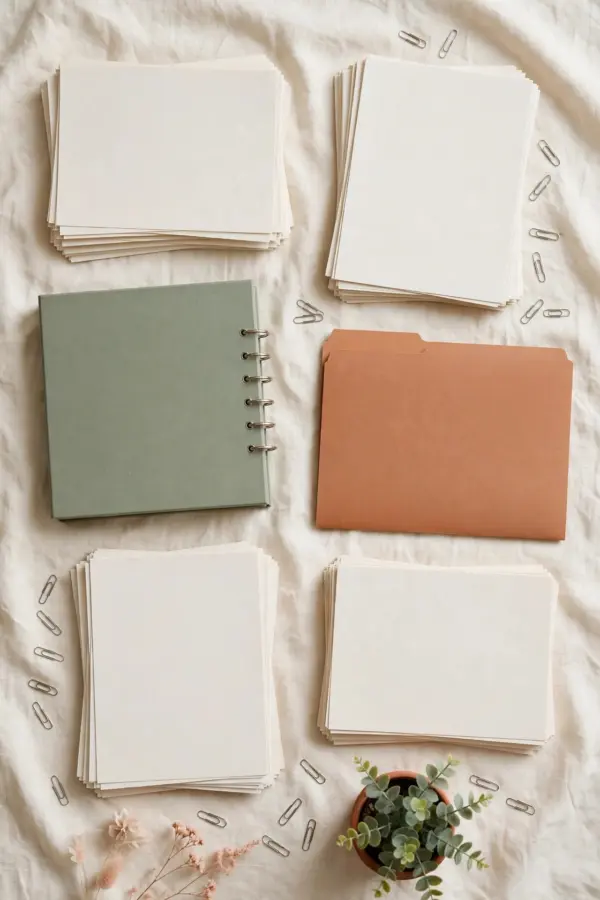
- Set up a single moving folder — paper or digital — for quotes, contracts, and change-of-address confirmations.
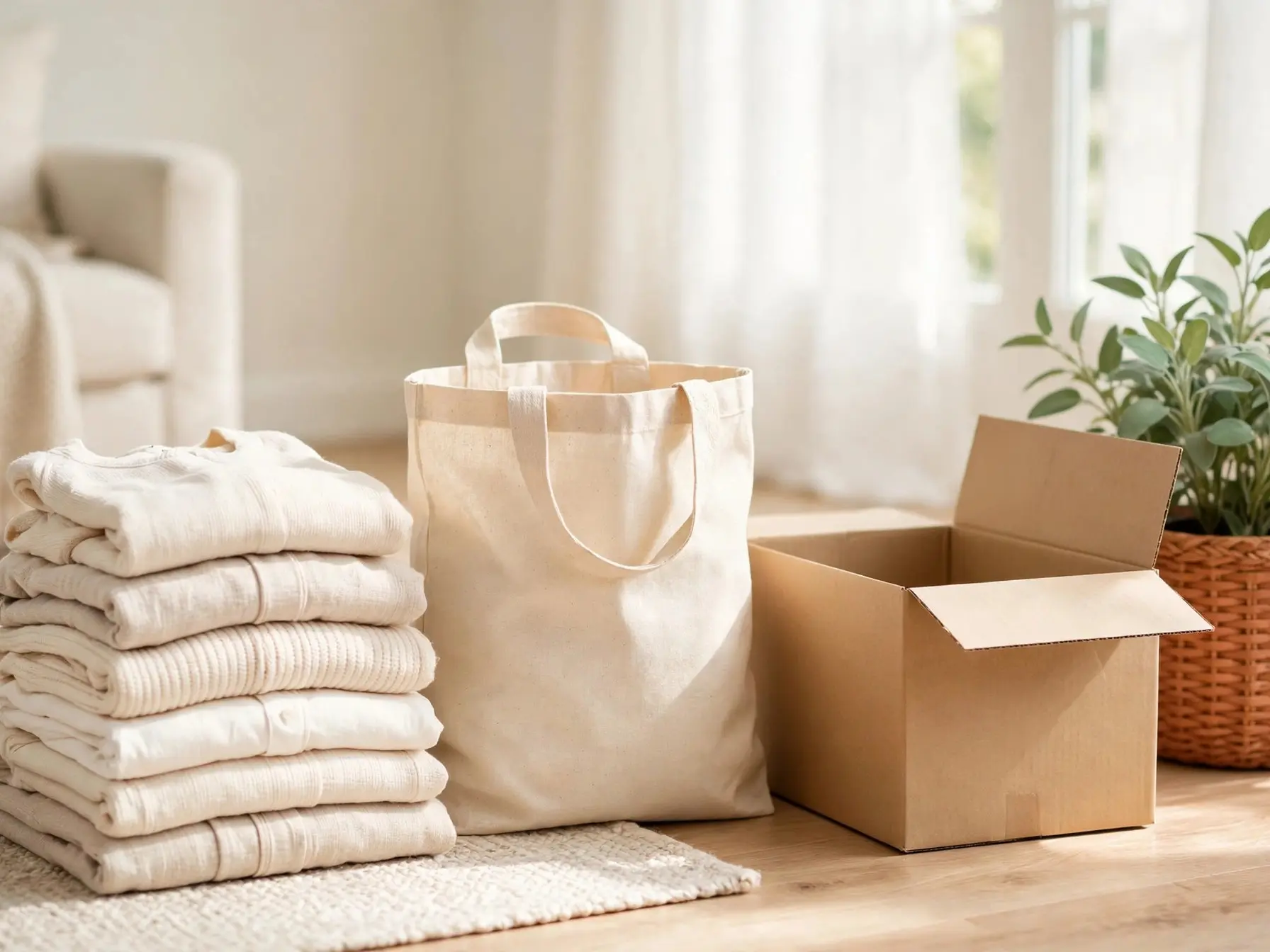
Declutter ruthlessly in the rooms you are about to pack first. The guest room closet, the bookshelf, and the decor shelf are where forgotten items hide, and clearing them now means your first packed boxes are genuinely finished, not just relocated clutter.
6 weeks out: pack the least-used rooms
At six weeks out, pack everything you will not miss for the next month. These boxes can be sealed, stacked, and left alone, which frees up space and proves the move is actually underway.
- Pack the guest room, decor, books, photo albums, and out-of-season clothes. Wrap fragile decor in tissue paper or towels.
- Pack hobby gear, board games, and spare linens. Keep out only what you will realistically use before moving day.
- Label every box on two sides with its room and a short contents note, and add its color code now — relabeling sealed boxes later never happens.
- Photograph the back of your electronics and any complicated setups before you unplug them.
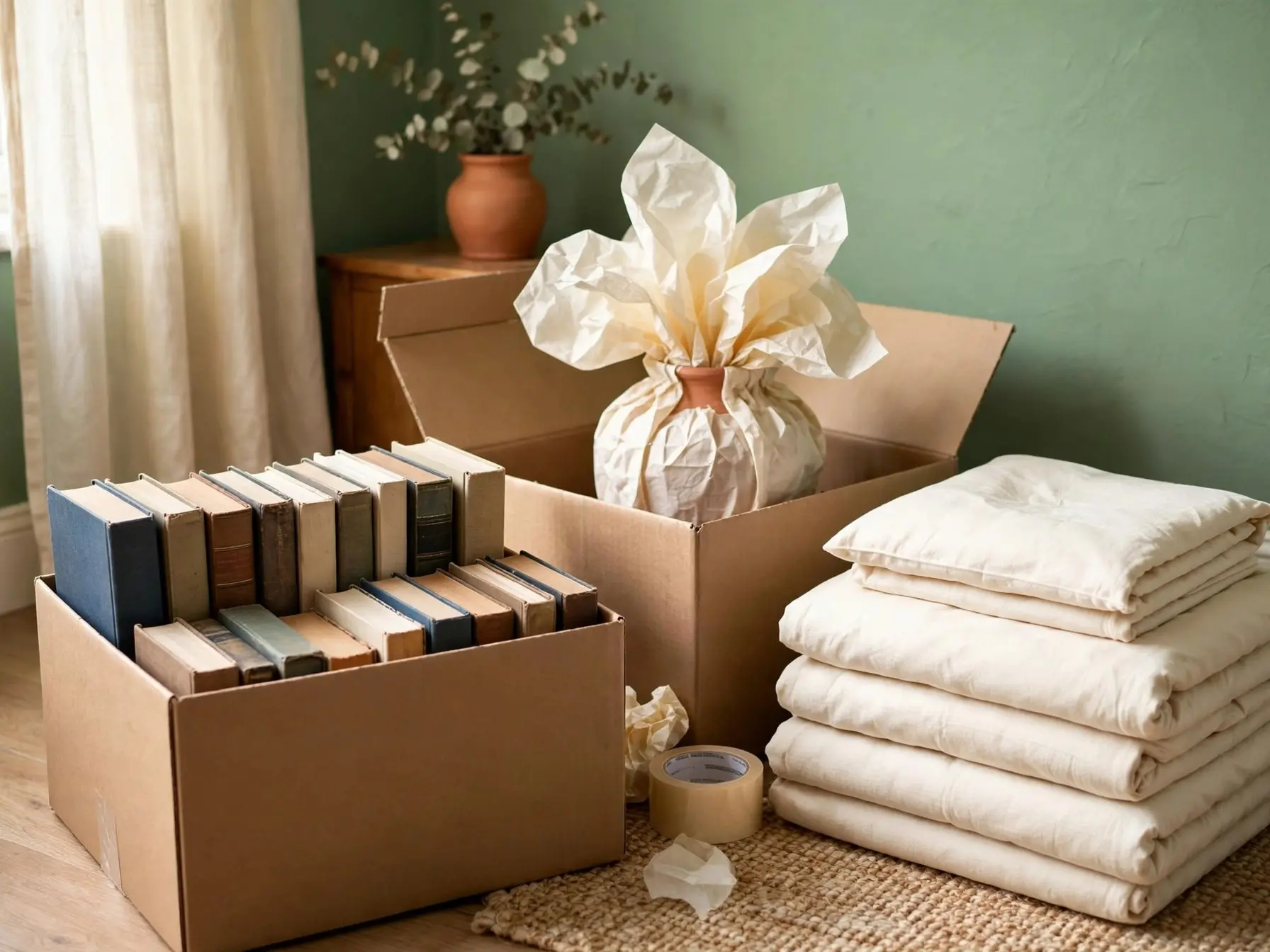
Books deserve small boxes — a large box of books is too heavy to carry safely. Fill the gaps with soft items like scarves or tea towels so nothing shifts, and mark book boxes clearly so they go on the bottom of any stack.
4 weeks out: pack room by room and label as you go
Four weeks out, work through the middle rooms one at a time: the living room, the dining area, the home office, and the kids’ rooms. One finished room beats three half-packed rooms, because a finished room stays finished.
- Pack one room at a time, and keep a short numbered list of boxes per room so you can spot a missing box on arrival.
- Use the color system consistently: one color per room, on the label and on the tape, so boxes can be sorted into the right room at a glance.
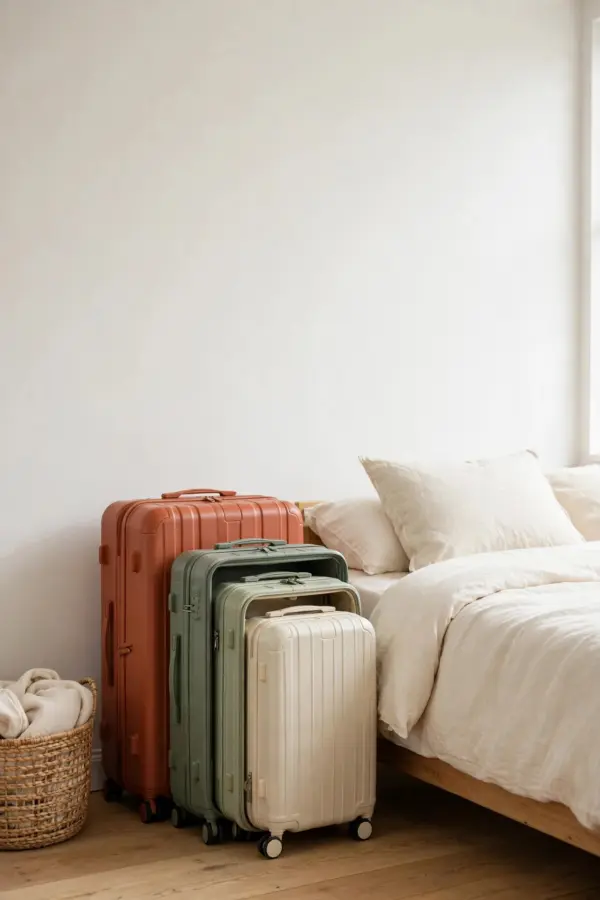
- Set aside a “do not pack” zone — a corner or a single suitcase — for passports, keys, chargers, medication, and valuables you will carry yourself.
- Start using up freezer and pantry food so there is less to move or throw away in the final week.
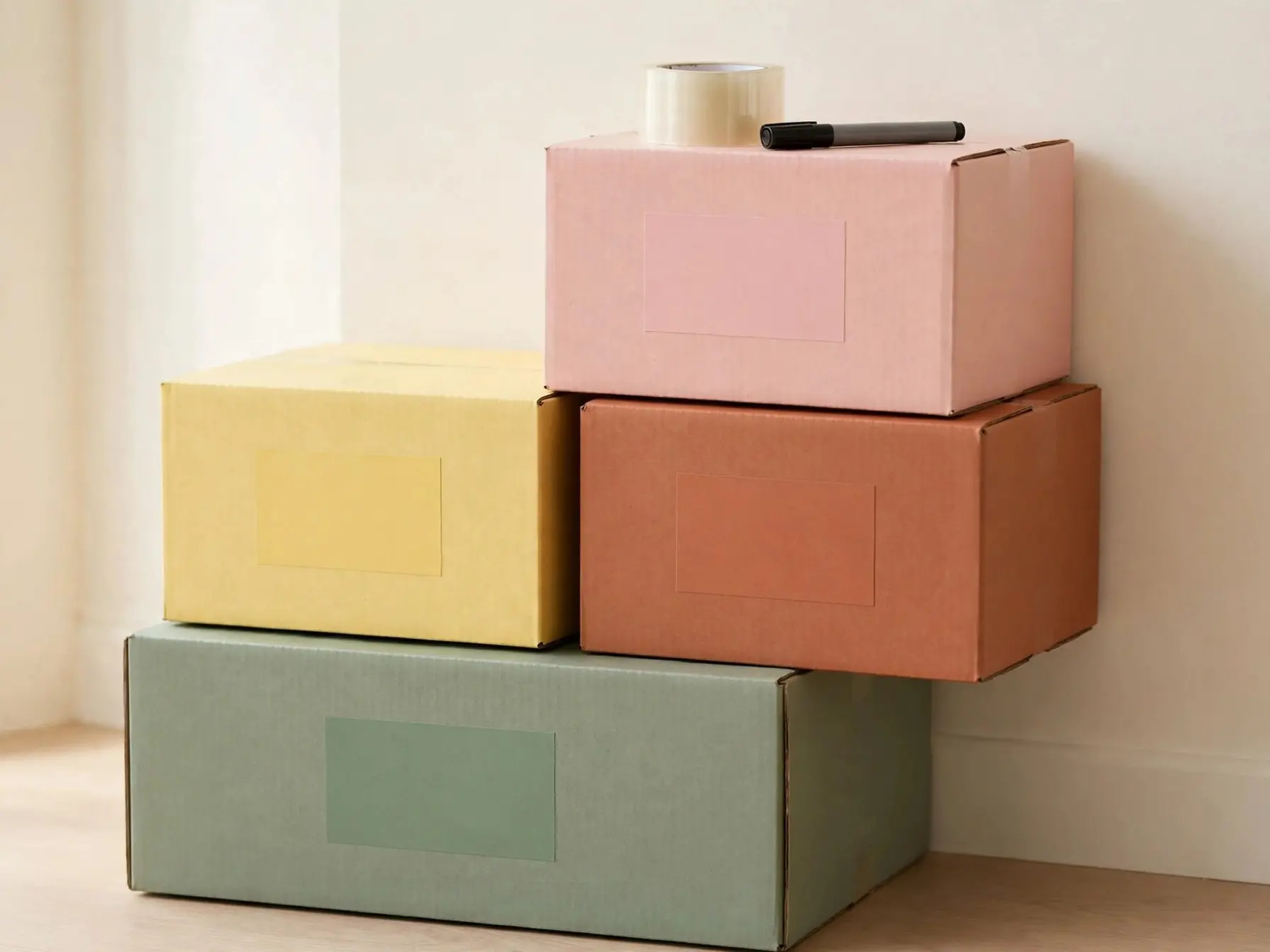
A label that only says “misc” helps no one on unpacking day. Write the room, the main contents, and a priority mark — “open first” for the boxes each room needs on day one — and unpacking turns into following your own instructions.
2 weeks out: confirm, notify, and finish the middle rooms
Two weeks out is admin week. The packing is mostly done, so use this week to make sure the move itself, and the new home, are ready to receive you.
- Confirm the movers or van, the arrival time, and the parking situation at both addresses.
- Notify utilities, internet, banks, subscriptions, and the post office of the move, and arrange meter readings.
- Finish packing the middle rooms, leaving only daily essentials in each one.
- Arrange cleaning for the old home and a basic clean for the new one before the boxes arrive.
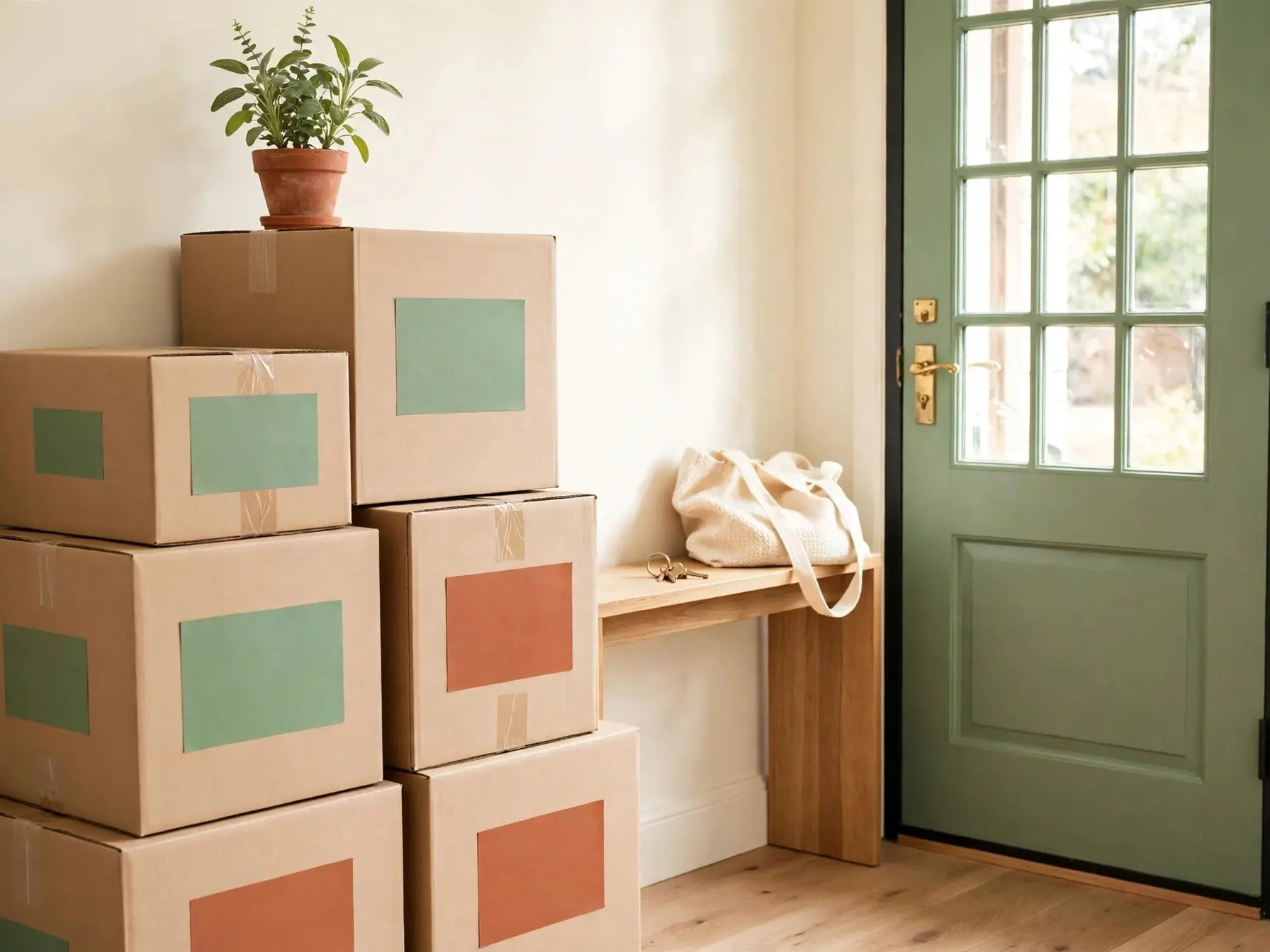
Stack finished boxes by the door or in one room, grouped by color, so loading day is a straight carry rather than a hunt. Heavy boxes go on the bottom, fragile boxes on top and clearly marked.
1 week out: pack the daily rooms and the essentials box
In the final week, pack the kitchen, bathroom, and bedroom down to a one-week survival kit. You are living out of a small set of daily items now, and everything else should already be boxed.
- Pack the kitchen except for one set of dishes, one pan, and the kettle. Pack the bathroom except for daily toiletries.
- Pack the bedroom except for a week’s clothes and the bedding for your last nights.
- Prepare the first-night essentials box (see below) and keep it apart from the other boxes — it travels with you, not with the movers.
- Defrost the freezer, empty the fridge, and do a final donation run so nothing unwanted travels with you.
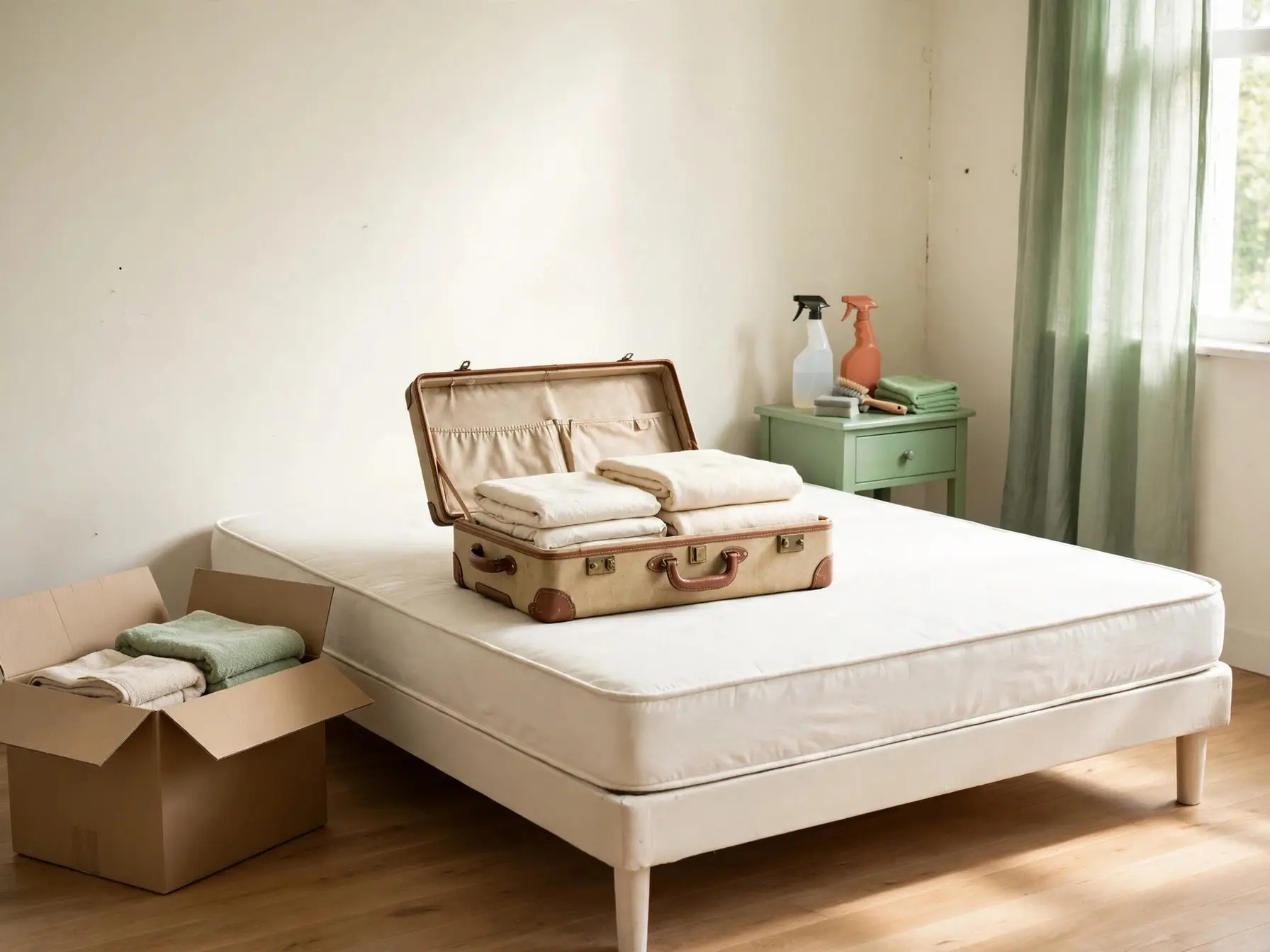
Living out of the survival kit for a week also tests it: if you reach for something that is already packed, move it into the kit. That is exactly the kind of item the first-night box needs to hold.
Moving day: load, check, and hand over
On moving day your job is direction, not packing. Walk the movers through the color system, point out fragile boxes, and keep the essentials box and valuables with you.
- Load heavy boxes first and low, fragile boxes last and high, and check each room as it empties.
- Do a final sweep: every closet, cabinet, shelf, attic corner, and outdoor storage spot, plus the mailbox.
- Take meter readings and photos, hand over the keys, and keep the moving folder with you until the new home is set up.
- At the new home, direct boxes by color straight into their rooms, then open the essentials box first — everything else can wait until tomorrow.
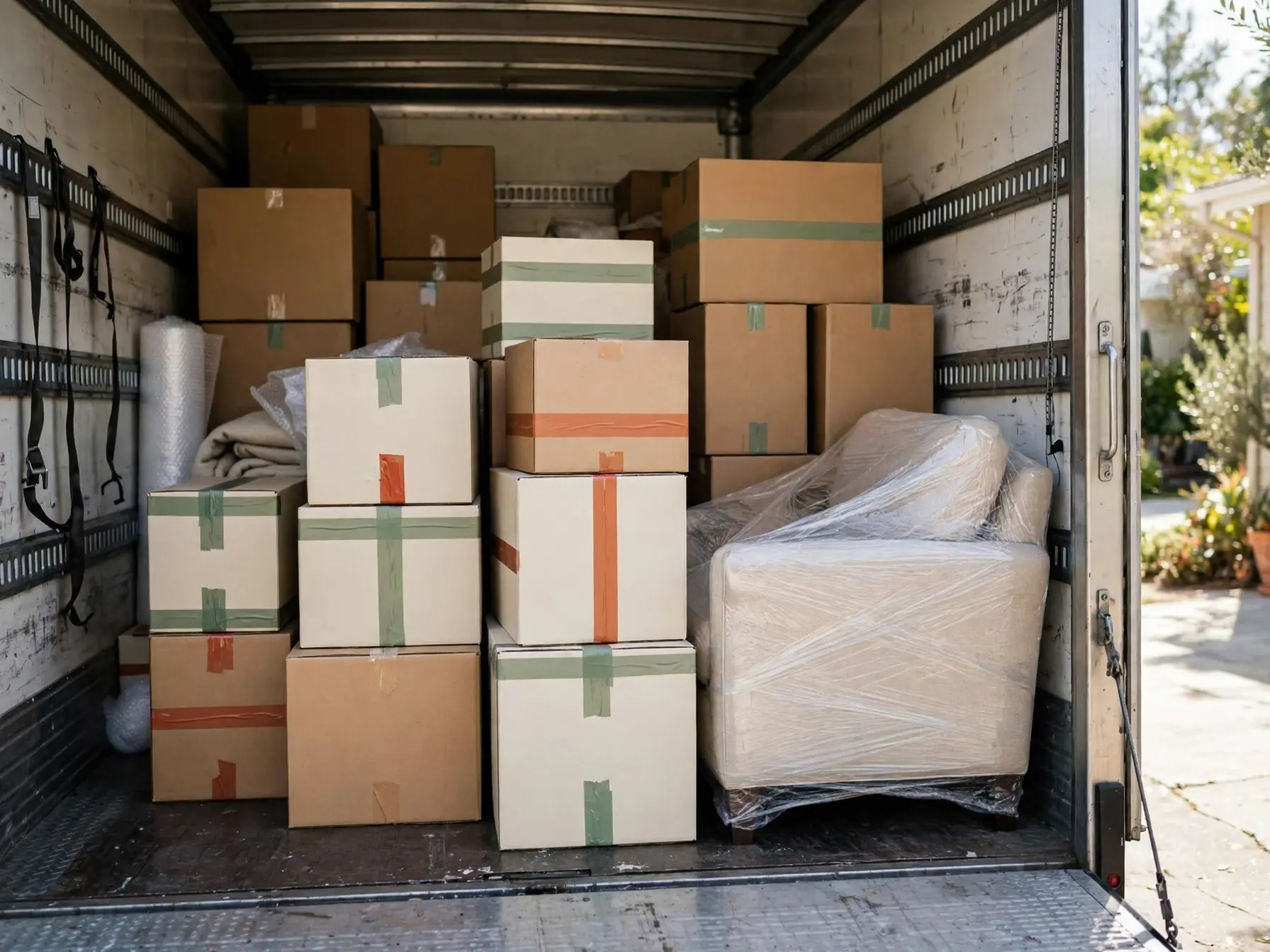
Resist unpacking everything on night one. Make the bed, set up the bathroom, eat something simple, and let the labeled boxes wait — an organized move is one where the first night is comfortable, not one where every box is empty by midnight.
First-night essentials box
Pack this box last and open it first. It holds everything you need for the first night and morning in the new home, so you never have to open ten boxes to find a towel or a charger.
- Bedding and a pillow, plus a blanket for the first night.
- Towels, toiletries, toilet paper, and basic medication.
- Phone chargers, a kettle, mugs, and tea or coffee.
- A change of clothes, pajamas, and basic cleaning supplies.
- Snacks, a simple meal option, and the keys and moving folder.
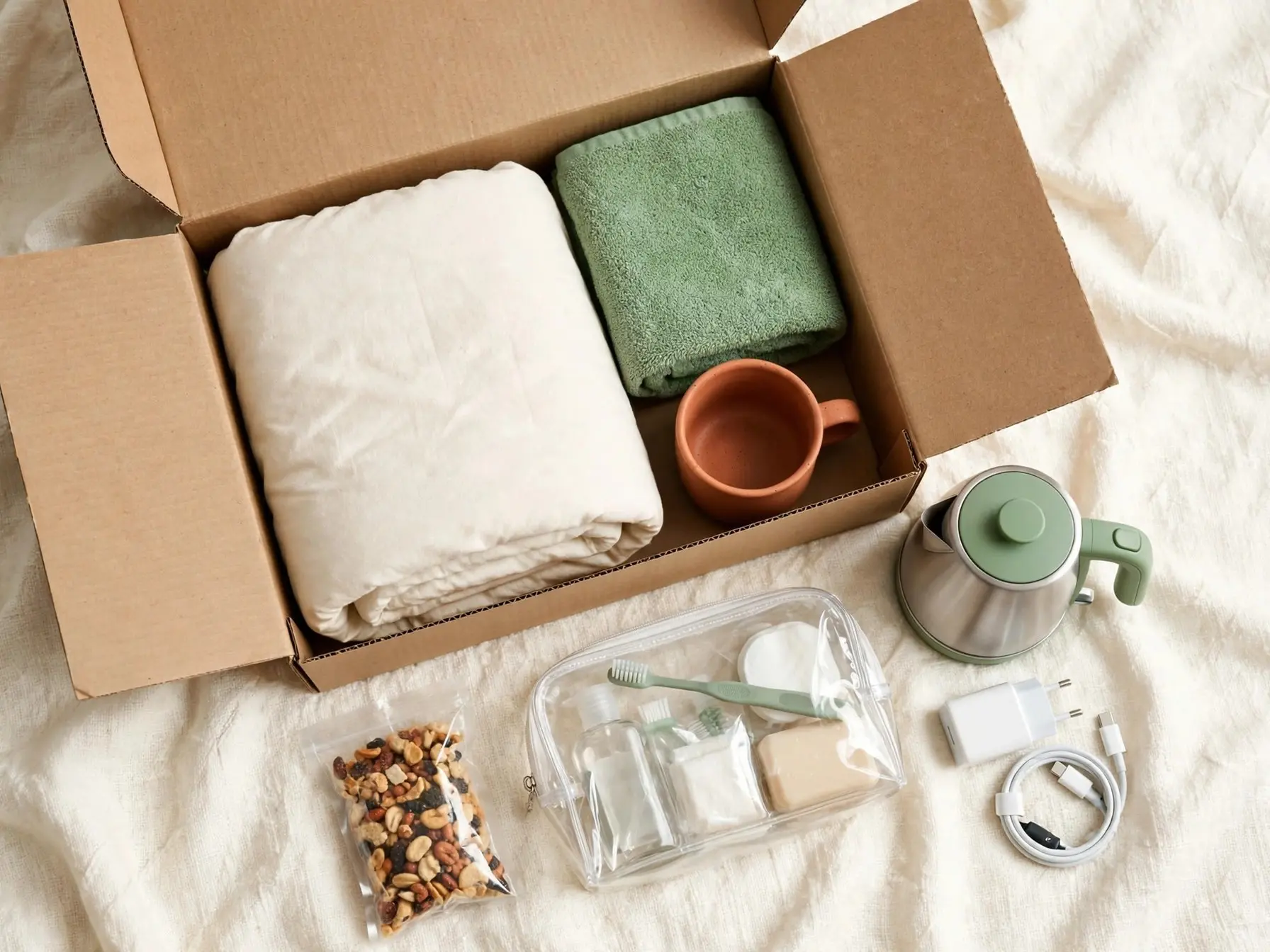
Mark this box on every side — a bright color, a big star, or the words “open first” — and carry it yourself. A first-night box that rides in the truck is a first-night box you cannot find.
Room packing order
If you only remember one sequence, make it this one. Pack in this order and the rooms you need daily stay usable the longest:
- 1. Guest room, decor, and books
- 2. Out-of-season clothes and spare linens
- 3. Living room, dining area, and home office
- 4. Kids’ rooms and hobby gear
- 5. Bedroom, bathroom, and kitchen — last
- 6. First-night essentials box — packed last, opened first
Within each room, pack the same way: least-used items first, daily items last, fragile items wrapped and marked, and one “open first” box per room for the things that room needs on day one.
Questions, answered
What should I pack first when moving house?
Pack the rooms you use least first: the guest room, decor, books, and out-of-season clothes. Those boxes can sit sealed for weeks without getting in your way, and packing them early builds momentum. Leave the kitchen, bathroom, and daily essentials until the final week.
How many weeks before moving should I start packing?
Start packing 6 to 8 weeks before moving day. That window gives you time to declutter first, then pack a little each week instead of facing a mountain of boxes in the last few days. If your move is sooner, compress the same order into daily sessions rather than skipping the declutter step.
What goes in a first-night essentials box?
Bedding and a pillow, towels, toiletries, phone chargers, a kettle with mugs and tea or coffee, a change of clothes, basic cleaning supplies, and a snack. Pack this box last, label it clearly, and carry it yourself so it is the first box you open in the new home.
How do you label moving boxes so unpacking is easy?
Write the room and the contents on two sides of every box, and add a color code per room so you can sort boxes at a glance. Number each box and keep a short list of what is in it. Unpacking gets easy when every box tells you its room, its priority, and whether it is fragile.
Keep reading
Before you pack a single box, work through our guide to declutter your home room by room — the 8-weeks-out declutter is the step that makes everything else lighter. For the small-space side of the move, see storage ideas for small spaces, and if guests are visiting before you go, our guest-ready home checklist keeps the house presentable while boxes pile up.
A good move is not a fast move — it is a move packed in the right order, labeled so unpacking is obvious, and finished with a first night that already feels like home. Start eight weeks out, declutter first, and let the checklist carry the rest.