Under-bed storage works when the bin fits the gap: measure from the floor to the lowest part of the bed frame, subtract 1 inch for gliding, and buy storage that fits that number — not the other way around. Under 6 inches of clearance suits flat bags and slim drawers; 7 inches and up opens up rolling bins and drawers, and the 20 ideas below are grouped by height so you can skip straight to the ones that fit your bed.
Thank you for reading this post, don’t forget to subscribe!Part of our guide: 30 Toy Storage Ideas to Finally Tame the Toy Clutter
The space under the bed is the largest empty spot in most bedrooms, and it is the easiest storage to add — no new furniture, no drilling, nothing to build. This guide was refreshed in November 2026: the clearance rule above is the one measurement to take before you buy anything, and every idea below still works with the bins and bags already in the shops.
1. Measure the clearance before you buy anything
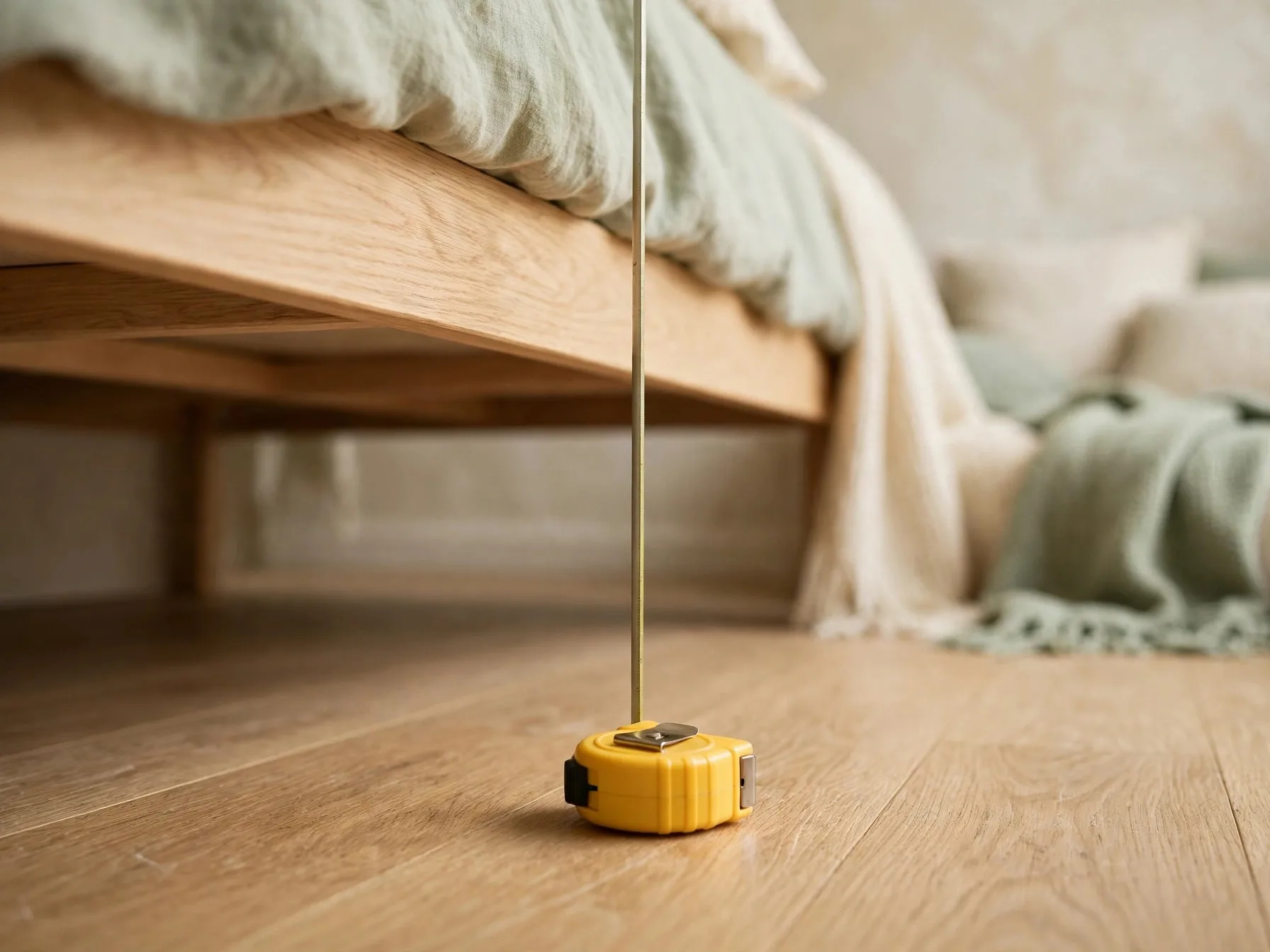
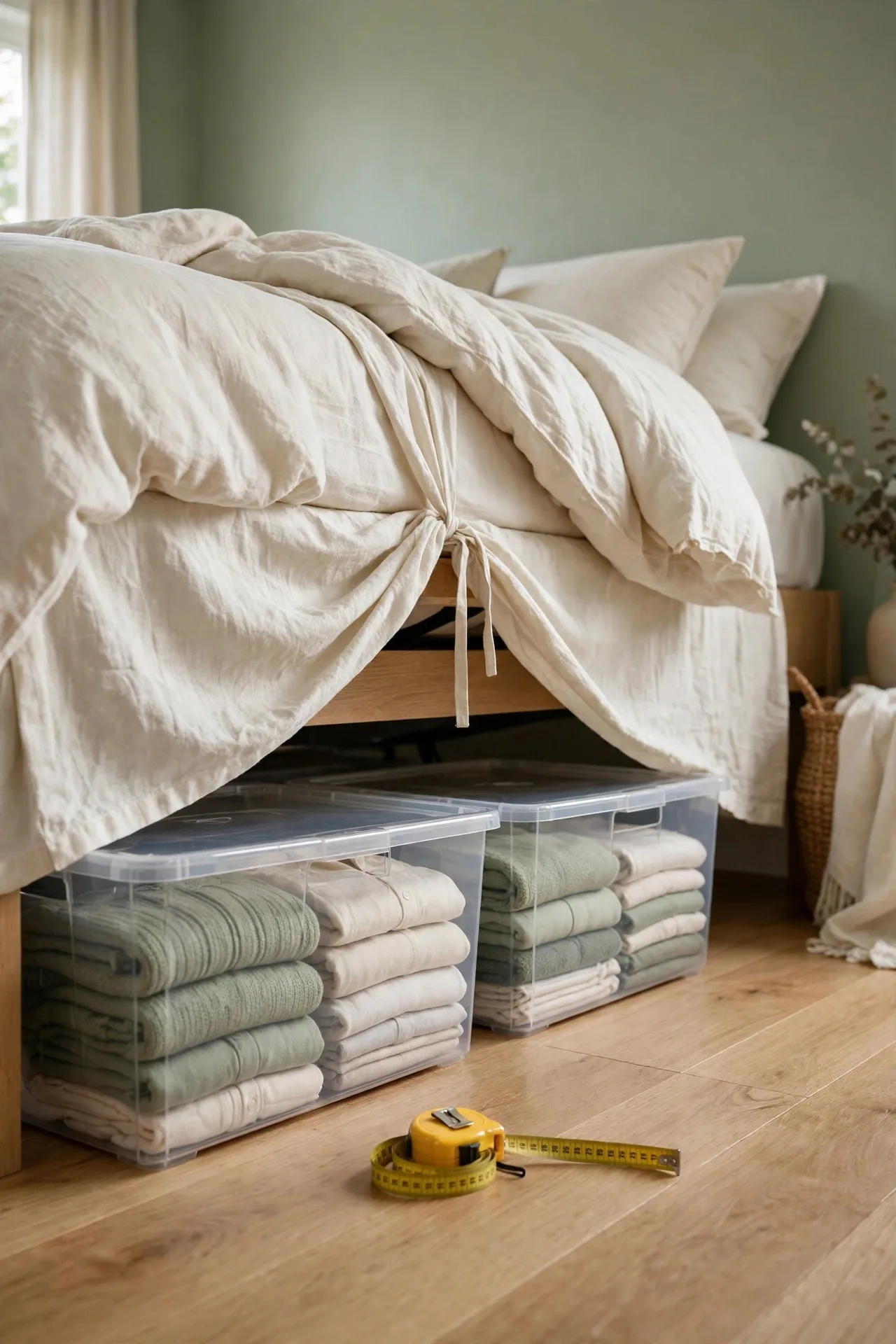
Every under-bed idea on this list lives or dies by one number: the clearance between your floor and the lowest rail of the frame. Lie on the floor with a tape measure and check the height at several spots, because frames dip, slats bow, and carpet compresses — and always subtract a full inch so bins glide in and out without scraping. Under 6 inches? Stick to vacuum bags and slim fabric cases. Six to 8 inches opens up most rolling bins and drawers. Anything over 9 inches can take tall totes or a second layer of shallow trays. Write the number on a sticky note and keep it in your wallet, so the perfect bin you spot at the store does not turn into a too-tall return.
2. Rolling wooden under-bed drawers
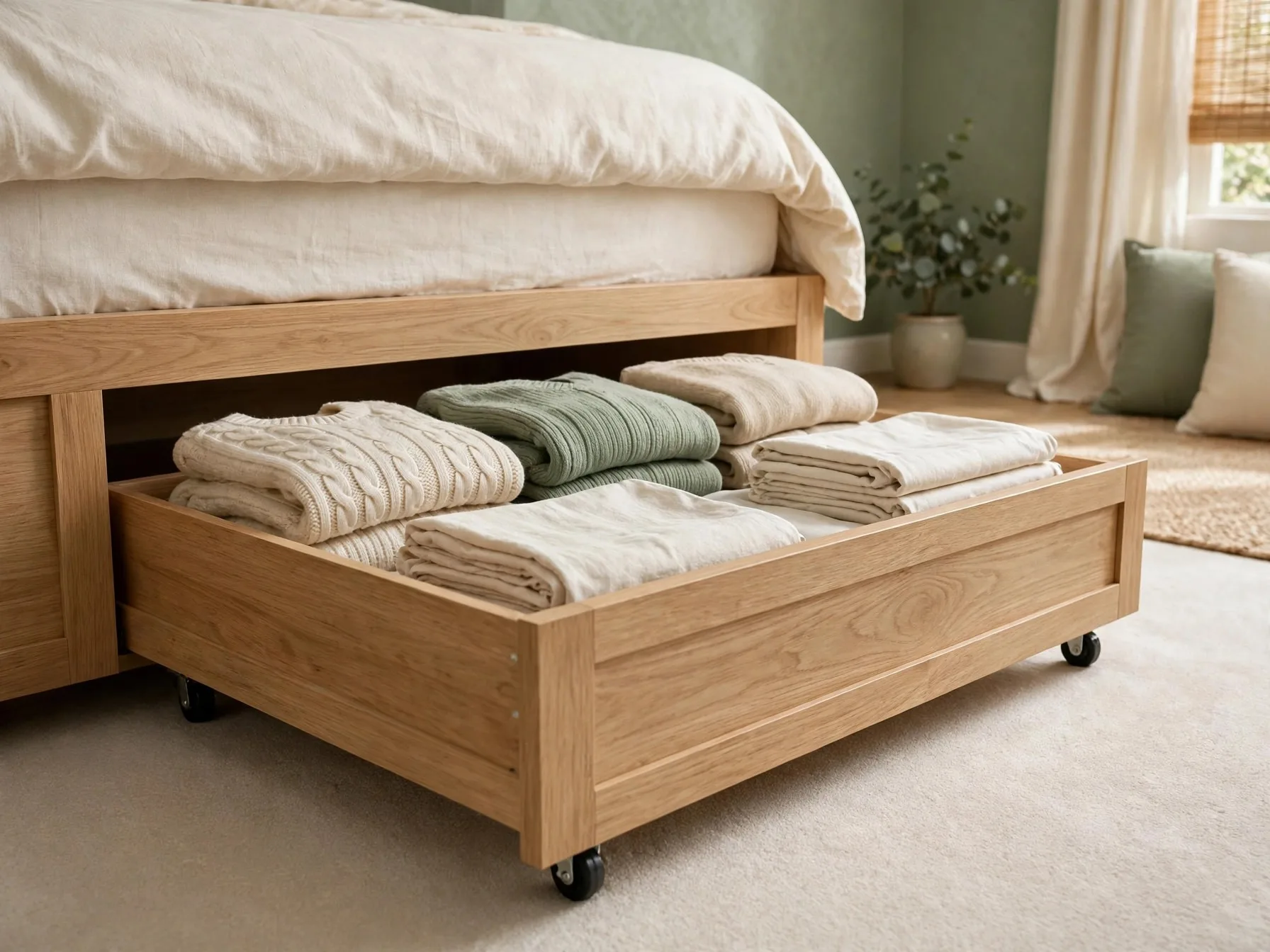
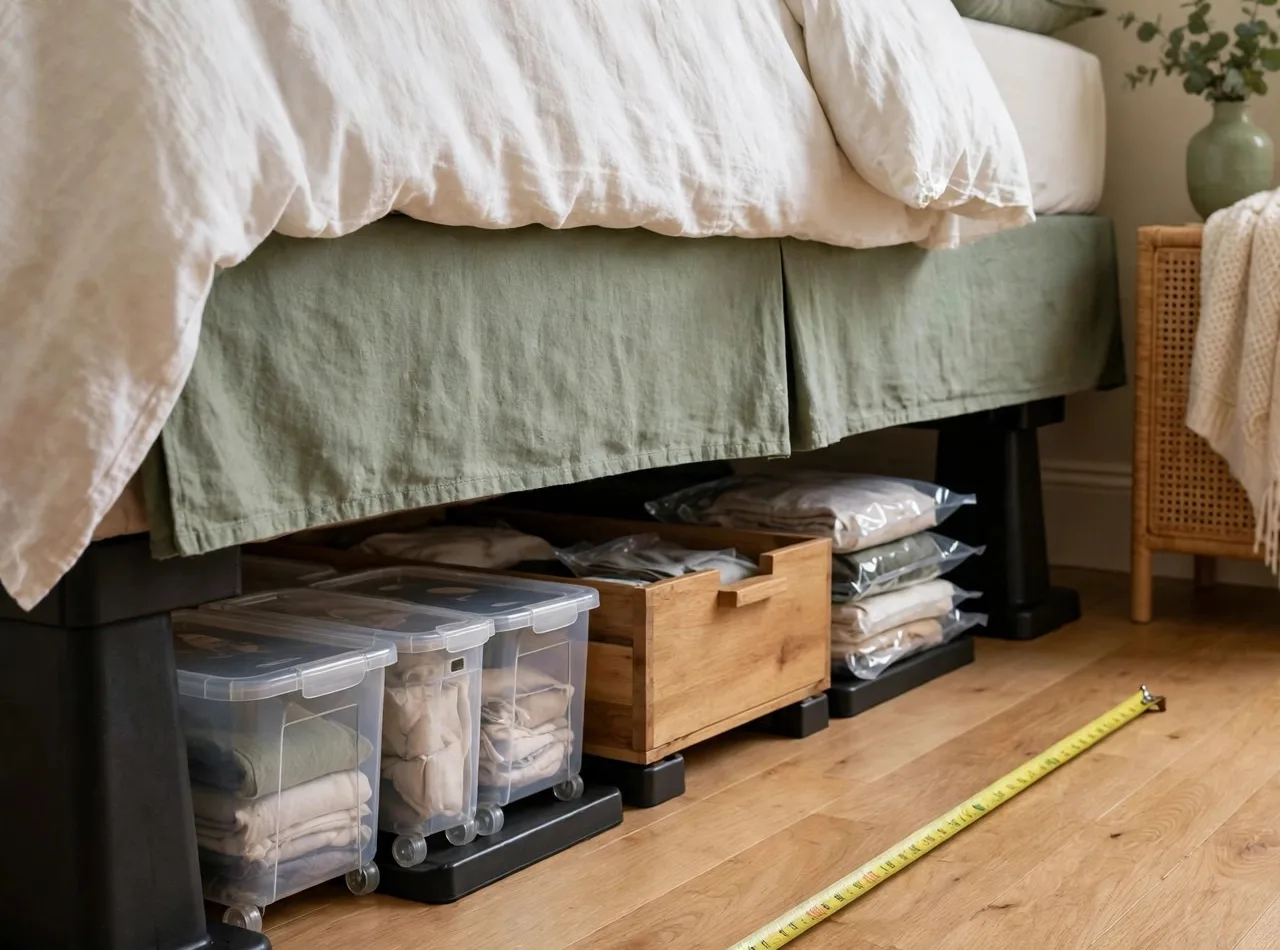
Wooden under-bed drawers are the workhorse of this list: sturdy, good-looking enough to leave half-pulled-out, and sized to swallow a whole drawer of clothes. Most are sold in pairs with smooth casters and a cutout handle on the front, so they roll straight out like a built-in dresser. Fill them with folded sweaters, jeans, or spare sheet sets — anything you reach for weekly but not daily. Measure your clearance first and buy drawers at least an inch shorter; oak or pine fronts also look intentional if your bedding is shorter than the frame. Expect to pay around $40 to $70 for a decent pair.
3. Raise the bed with sturdy risers
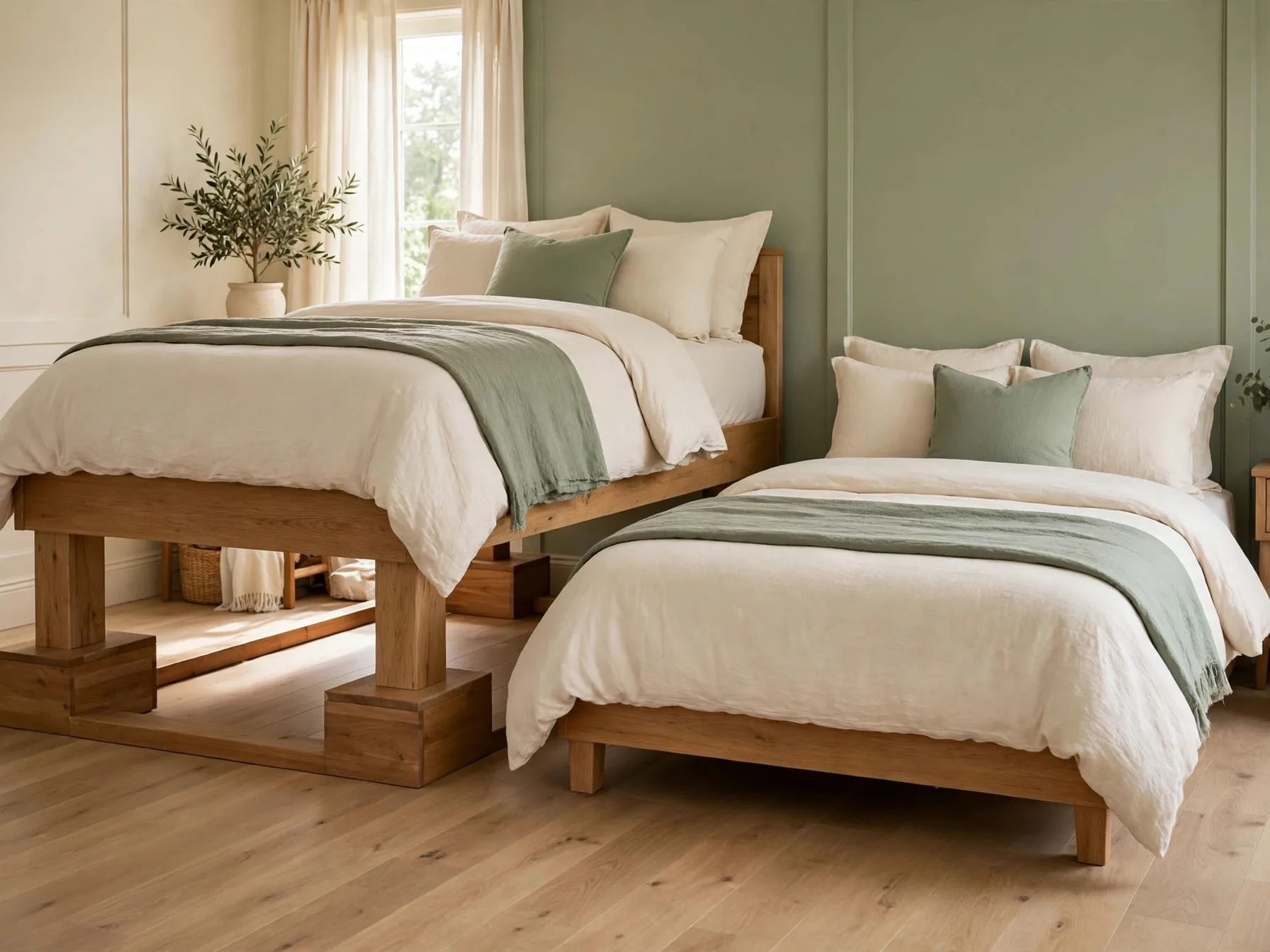
Bed risers are the cheapest square footage you will ever buy: four sturdy blocks that lift a frame 5 to 8 inches and can add as much as 6 inches of usable height underneath. Heavy-duty plastic or solid wood sets hold serious weight, and some have built-in outlets or USB ports on the side — handy for phone charging. They also make sweeping underneath dramatically easier, which matters if you have allergies. Check that the risers fit your leg shape (round, square, or wheeled legs each need a matching cup), and re-check stability after the first week of use. A set costs about $20 to $35.
4. Vacuum-sealed bags for bulky bedding
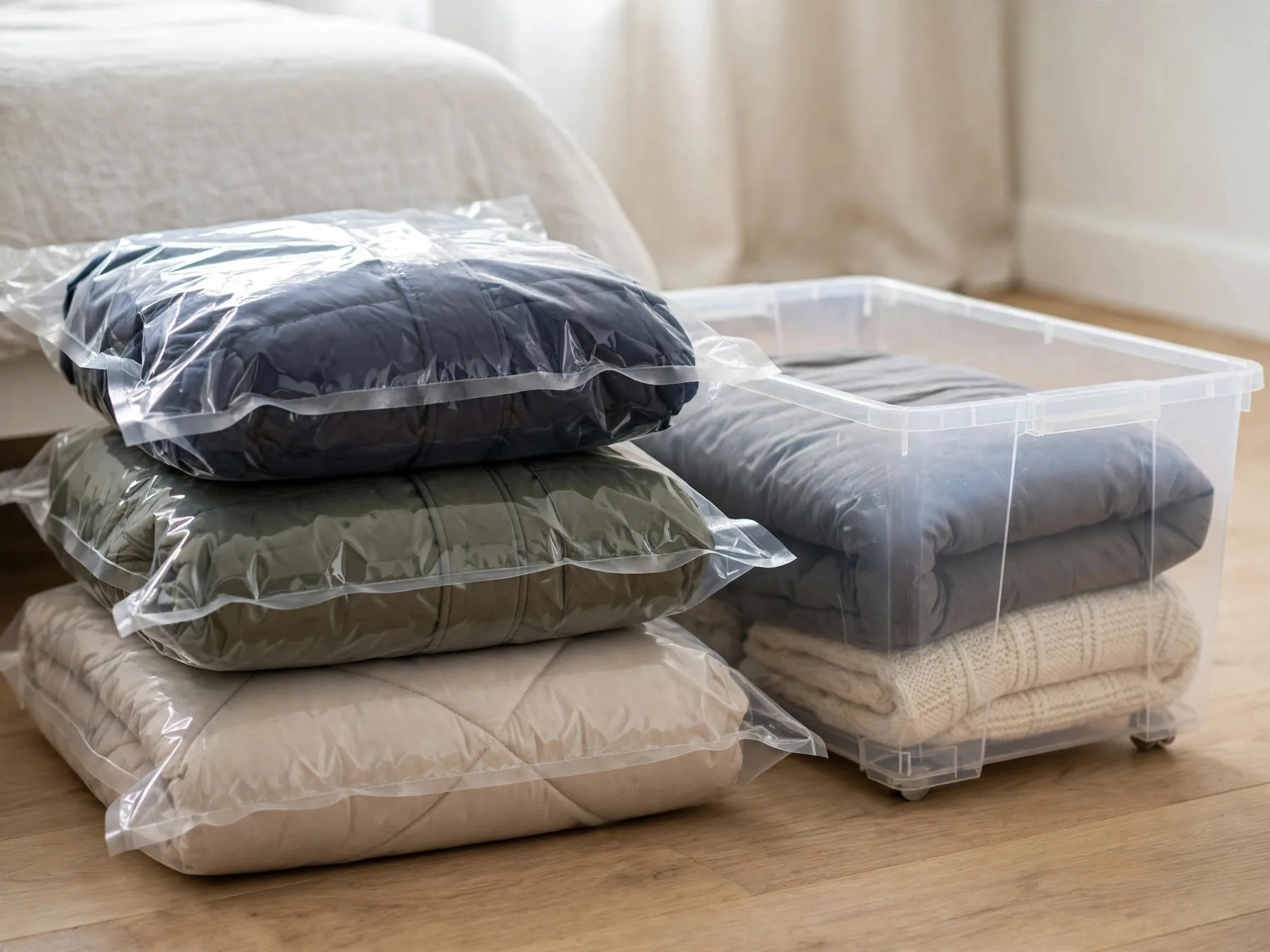
Nothing shrinks a mountain of winter bedding faster than a vacuum-sealed bag: bulky duvets, spare comforters, and puffy coats compress to about a third of their size. Lay the bag flat under the bed, roll or vacuum the air out, and the bag slides into gaps too shallow for rigid bins — perfect for frames with under 6 inches of clearance. Use the jumbo flat sizes for duvets and medium bags for sweaters. One honest caveat: vacuum bags are for seasonal storage, not daily use; re-sealing them every morning gets old fast. A set of six usually runs under $25.
5. Lidded clear bins with grab handles
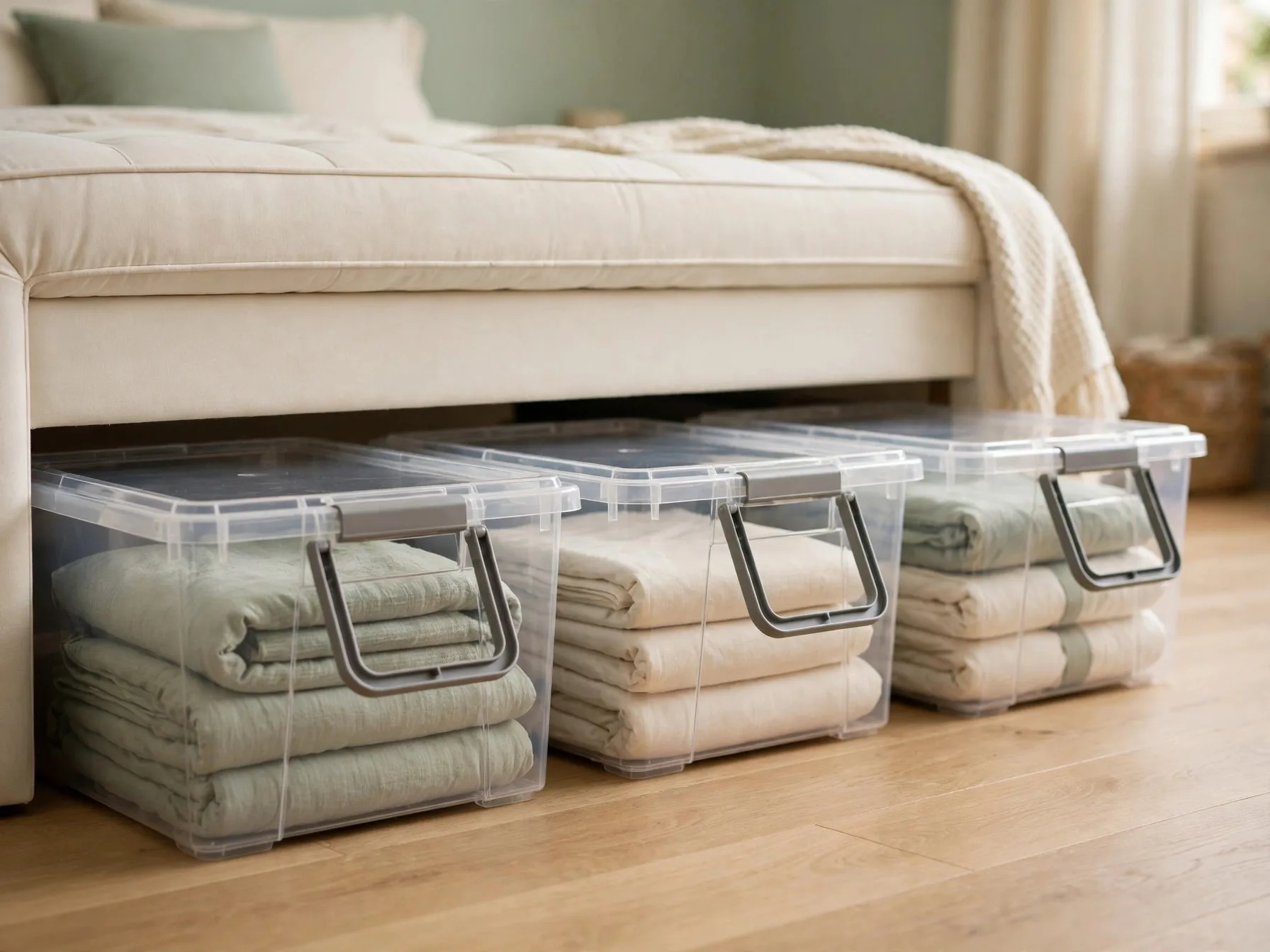
Clear bins are the gold standard for under-bed storage because you can see what is inside without pulling the whole thing out. Look for low, lidded bins with a built-in handle or cutout on the front — they roll out like drawers and the lids keep dust off spare bedding. Fill one with your complete spare bedding set (sheets, pillowcases, duvet cover) so a bed change is a single grab. Stack a shallow second bin on top for off-season accessories if your clearance allows. Keep the bins on one side of the bed only; the other side stays free for shoes or gift wrap. Two-packs of quality bins run about $25 to $40.
6. Soft fabric zippered boxes
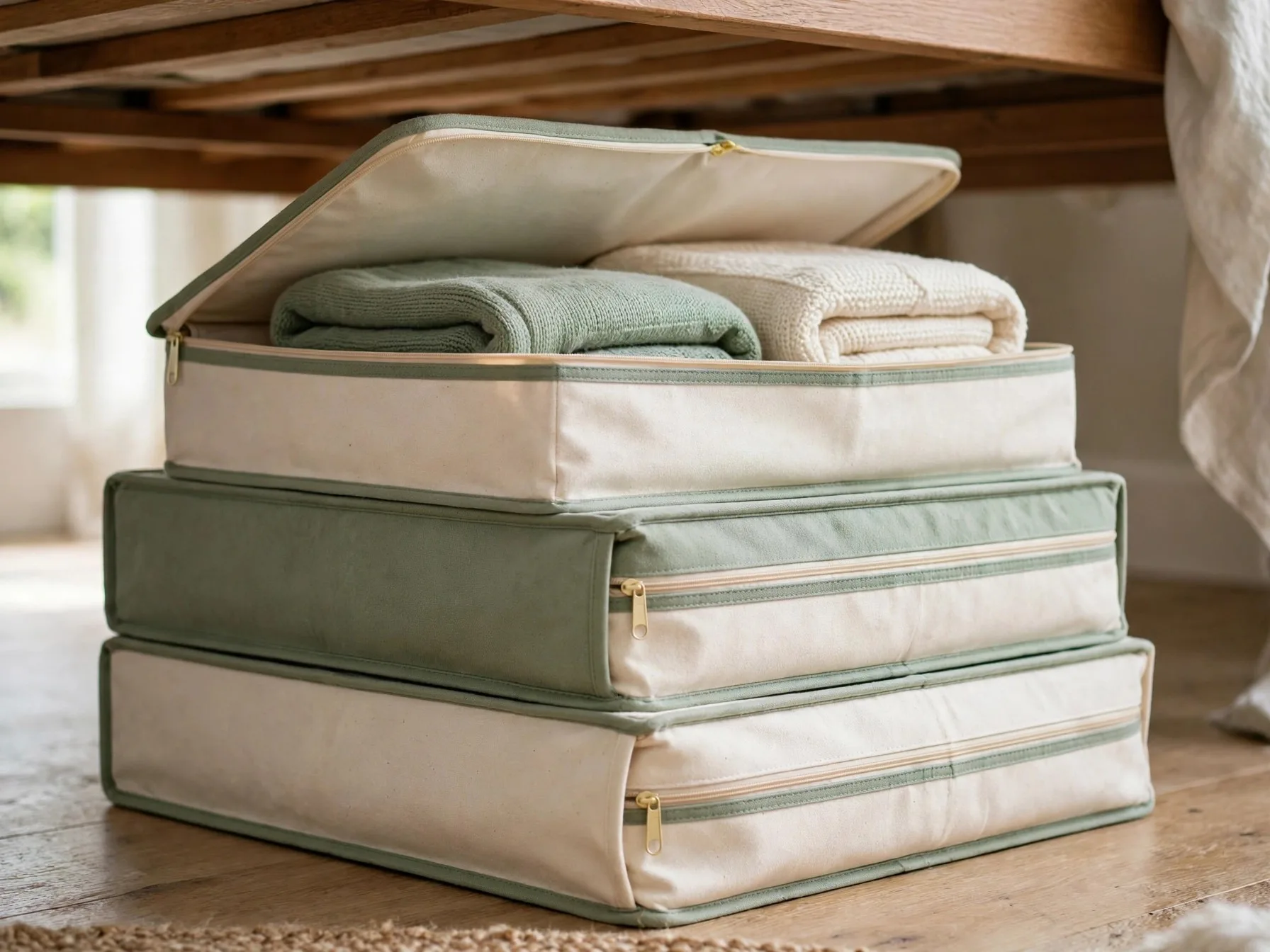
Fabric zippered boxes are the gentle option for clothes you care about: canvas and non-woven boxes breathe better than plastic, and the zippered lids keep dust out while staying easy to open. They come in low profiles made specifically for under-bed use, often with a reinforced insert that holds the box’s shape and a clear window or label card on the front. Use them for folded sweaters, scarves, and bags you rotate by season. Because they are soft-sided, they forgive frames with slightly uneven clearance — a real plus with older beds. Expect around $15 to $30 for a set of two.
7. A slim rolling cart on casters
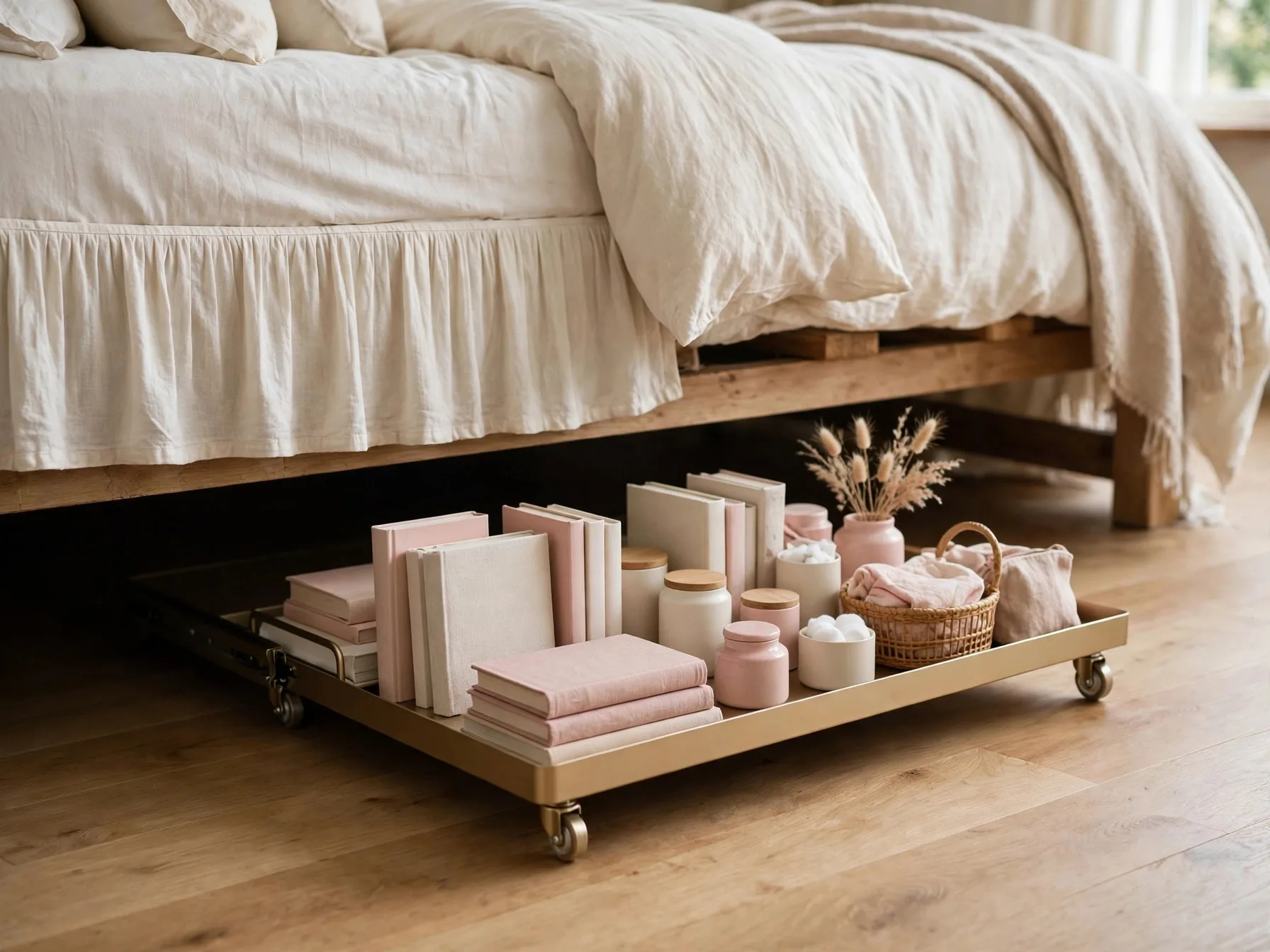
A slim rolling cart is the under-bed solution for things you reach for often: books, journals, chargers, a sleep mask, or the remote control. These narrow carts — sometimes only 5 inches wide — roll out on casters with a single pull and park back underneath in one motion. Choose a cart with a handle or rope pull so you never have to crawl. Metal mesh versions air out shoes and gym gear; solid-sided carts hide bedtime clutter from sight. Place it on your side of the bed and it quietly replaces a nightstand drawer. Prices run about $20 to $40.
8. A lift-up storage bed with hydraulic hinges
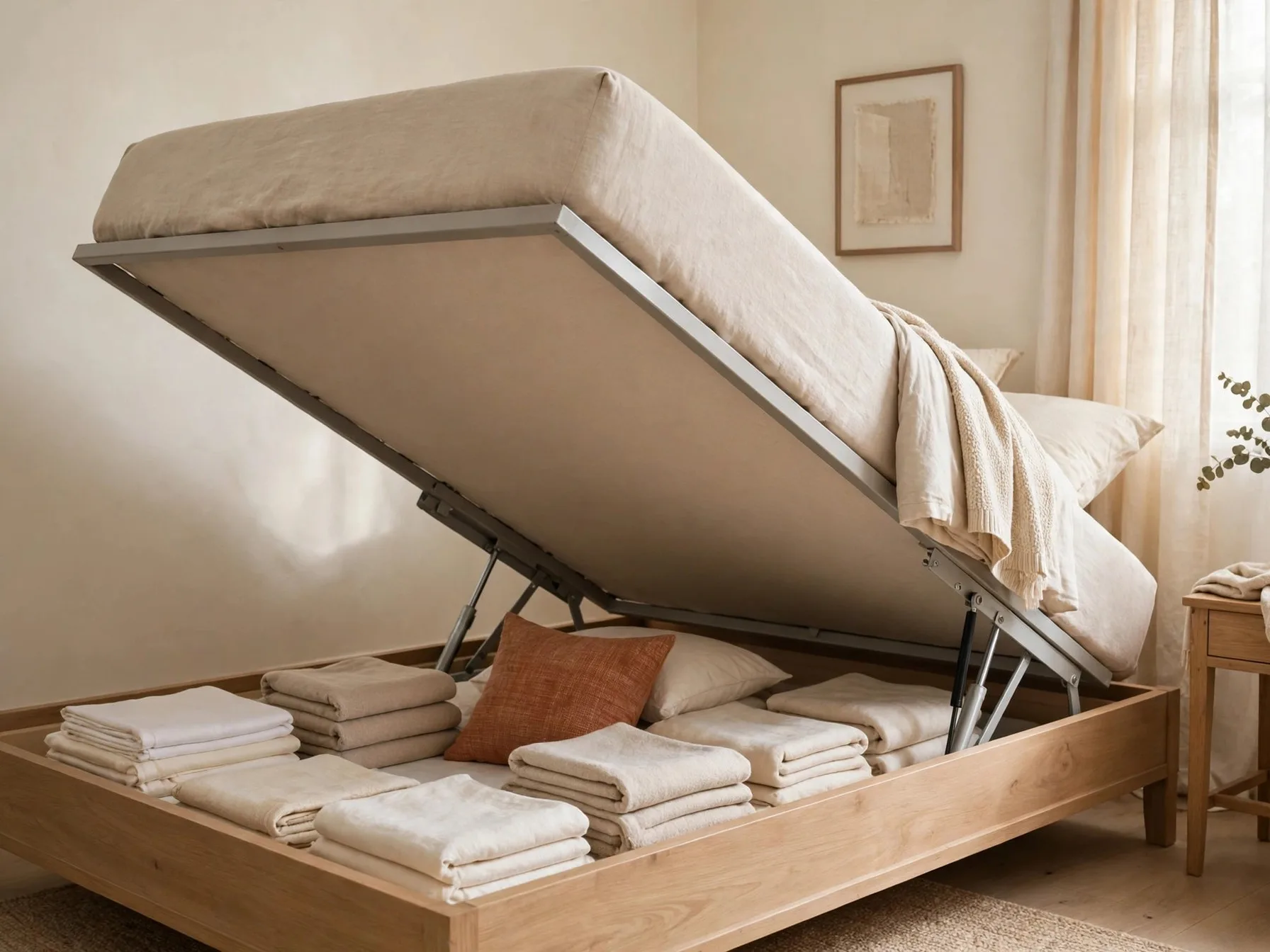
A lift-up storage bed turns the entire footprint of the mattress into one giant, dust-free compartment — the single biggest under-bed win on this list. Hydraulic hinges lift the mattress with one hand and hold it open safely while you load in spare duvets, suitcases, or seasonal wardrobes. The closed bed looks like a normal upholstered frame, so guests never guess it is a storage unit. Budget a little more than a standard frame (decent ones start around $400) and leave room beside the bed to stand while it is open. If you are buying a new bed anyway, this is the upgrade to choose.
9. A captain’s bed with built-in drawers
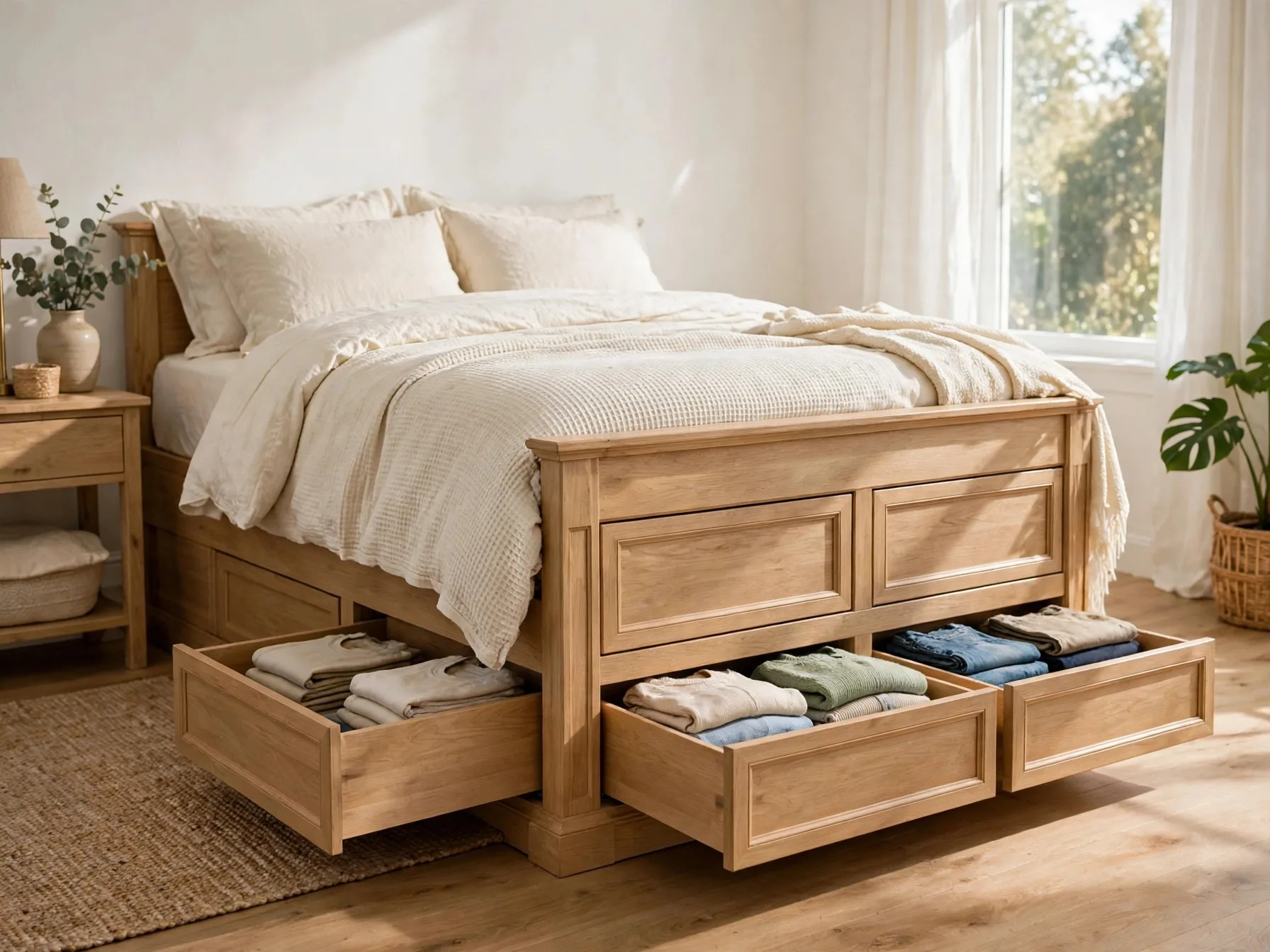
A captain’s bed gives you dresser drawers without needing floor space for a dresser: two to four deep drawers are built right into the bed base. They glide on real runners, hold folded clothes, pajamas, and linens, and stay dust-free behind solid fronts — no bins to drag out. This is the cleanest-looking option on the list and the easiest for kids to use, since there are no lids to lose and no bags to reseal. If you already own a bed, skip this one; but if you are furnishing a small bedroom from scratch, a captain’s bed can eliminate an entire dresser. Prices start around $300 for solid options.
10. Dividers that tame deep bins
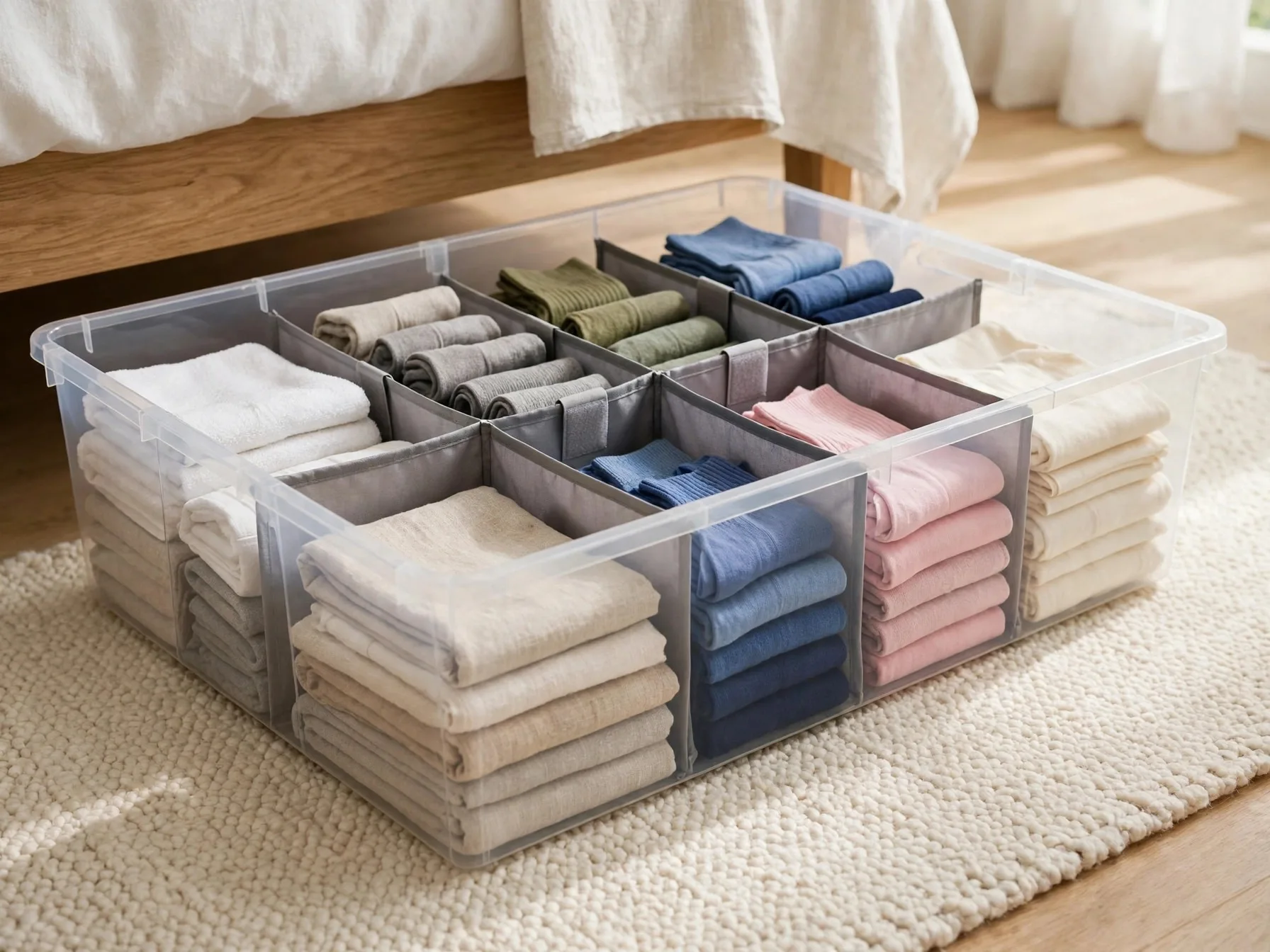
Deep bins are great until everything slides into one jumbled layer. Adjustable fabric or plastic dividers turn a cavernous tote into neat compartments — one section for socks, one for linens, one for out-of-season scarves. Spring-loaded drawer dividers work inside wooden under-bed drawers too, and they install in seconds with no tools. The trick is to divide the bin by category, not by person, so anyone can find things. Dividers also stop the avalanche effect where pulling one item drags out five others. Label each compartment on the outside of the bin so the system survives a rushed cleanup. A set of four dividers costs under $15 and fits almost any bin.
11. Label every container
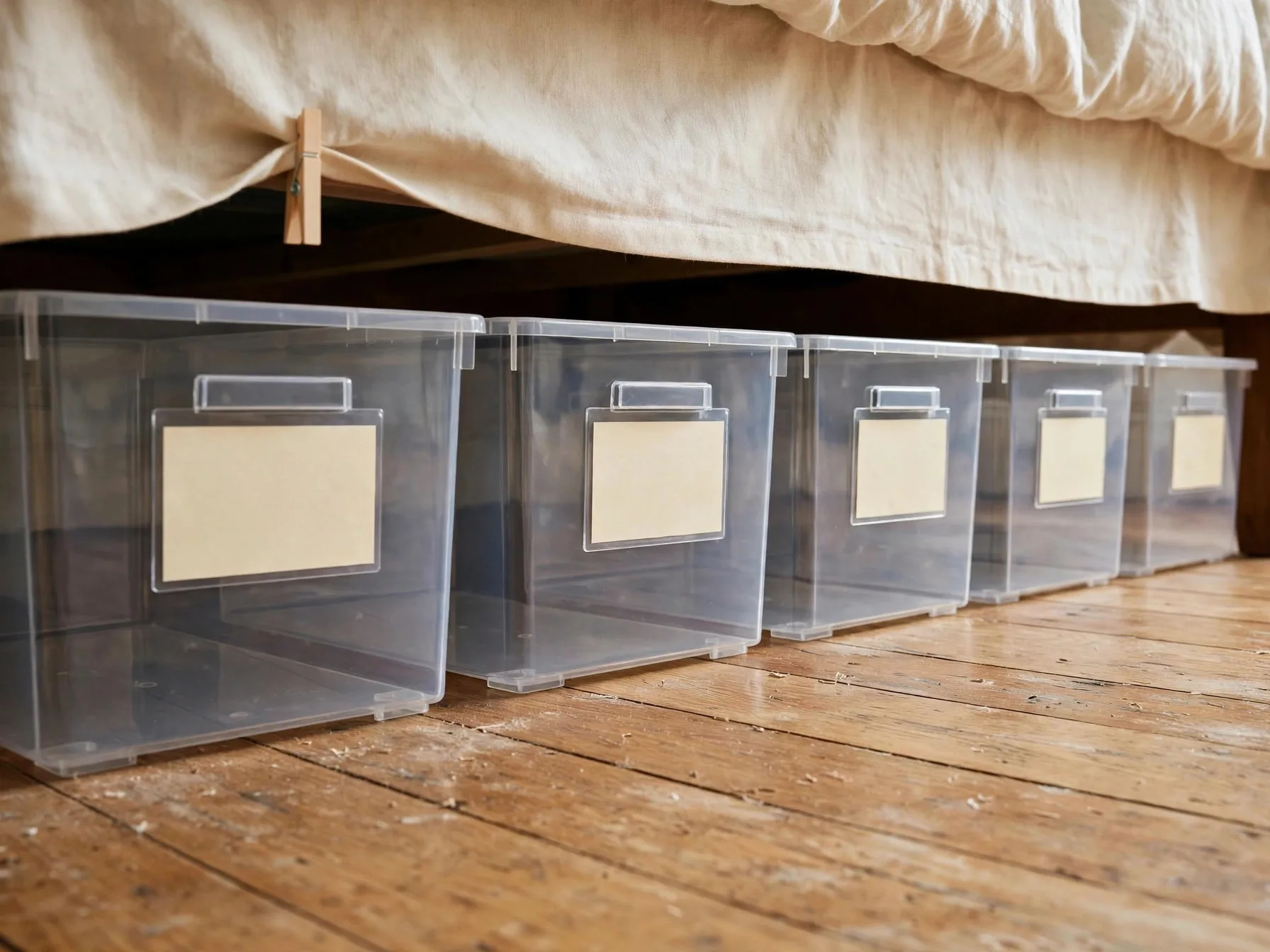
Labels are what separate storage from a black hole: when every under-bed container tells you what is inside, you stop pulling out three bins to find one scarf. Use simple clip-on label holders, adhesive label frames, or just masking tape and a marker — the method matters less than the consistency. Label the category (“Winter Sweaters”, “Guest Bedding”, “Gift Wrap”), not the contents of each fold, and keep the wording big enough to read at floor level. Re-label once a year when you rotate seasons. A pack of label holders runs about $10, and it is the highest-return ten dollars on this list.
12. Shoe trays on a pull-out shelf
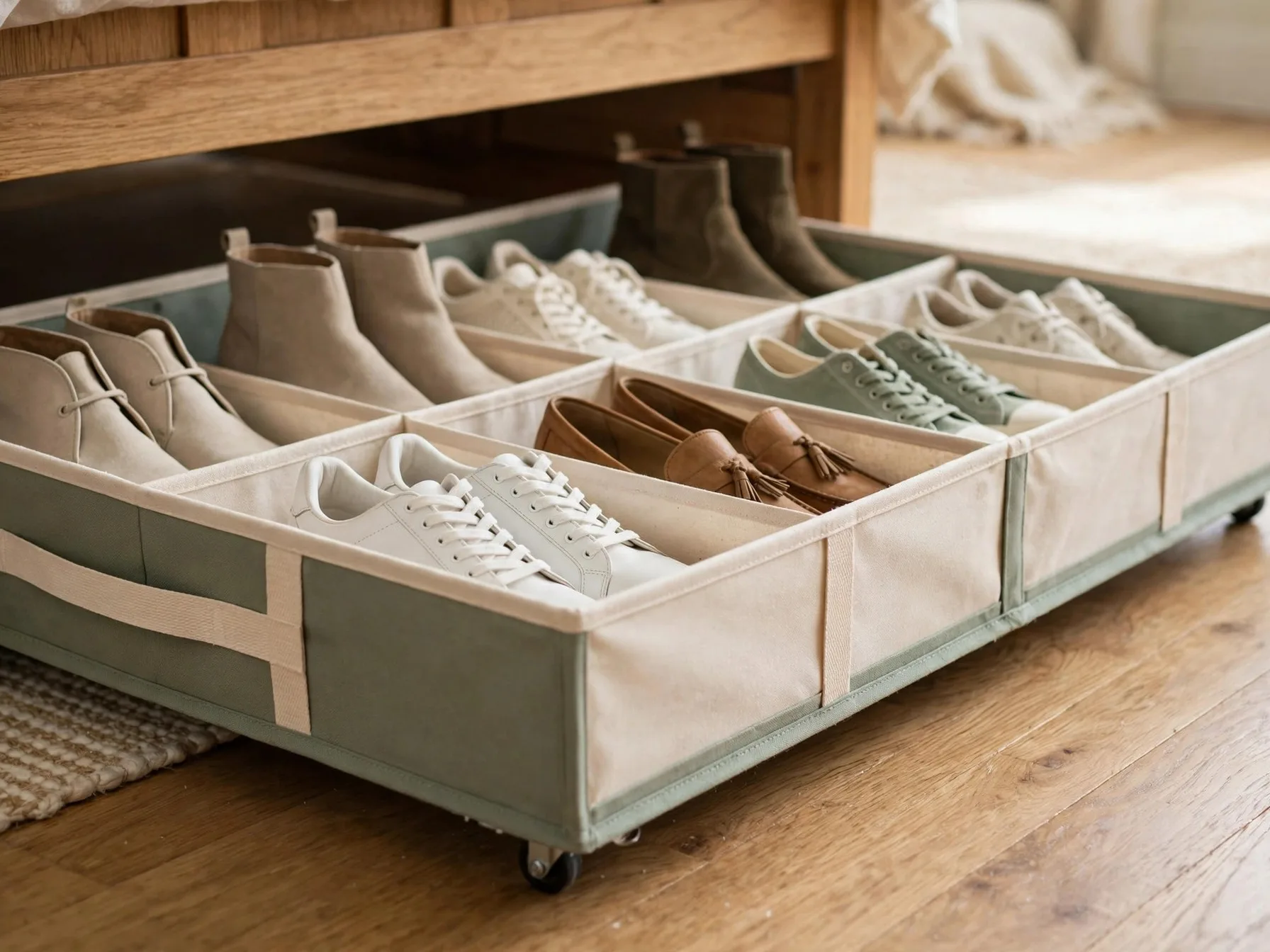
Shoes are the natural first tenant of under-bed space: they are flat, dusty, and currently colonizing your closet floor. Slide pairs onto low shoe trays or a pull-out fabric shelf designed for under-bed use — each pair gets its own slot, so you can see and grab without unstacking. Limit it to the pairs you actually wear this season; out-of-season shoes go into a lidded bin. Put the most-worn pairs nearest the edge and they become easier to reach than a closet shelf. A two-tier under-bed shoe rack costs about $25, frees up an entire closet shelf, and keeps shoes visible and ventilated instead of stacked in a dark pile.
13. Out-of-season clothes
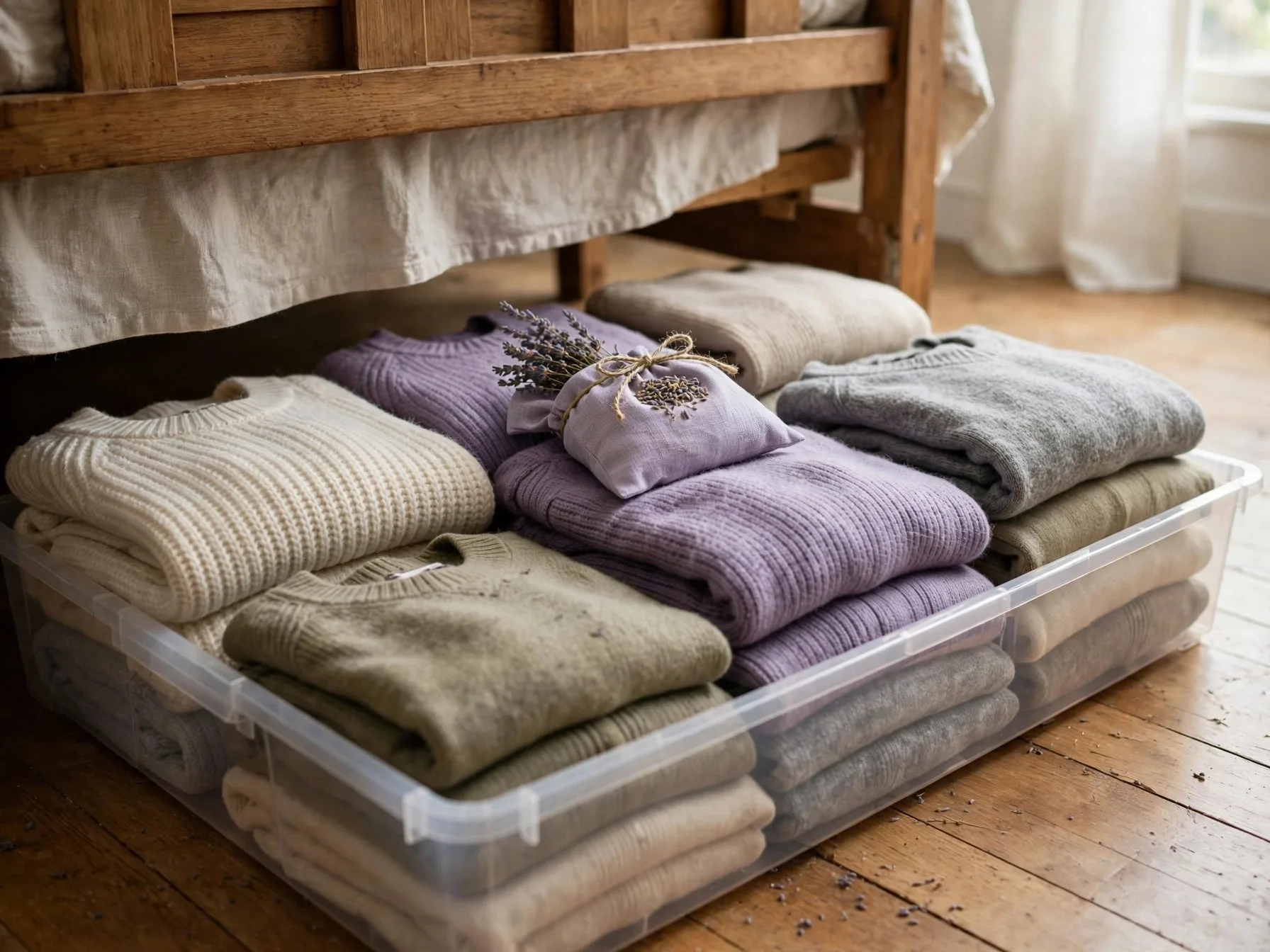
Out-of-season clothes are the perfect under-bed resident: bulky, rarely needed, and currently eating a third of your closet. When you rotate wardrobes each spring and fall, fold sweaters, coats, and boots into bins or vacuum bags and slide them under the bed — then give the freed closet space to what you wear now. Toss in a lavender sachet or cedar block to keep things fresh during the months they sit. A single jumbo vacuum bag holds a whole winter coat collection and slides into the narrowest gap. Work through one closet section at a time; if the purge snowballs, the room-by-room decluttering guide walks you through the rest of the house.
14. Gift wrap in one flat organizer
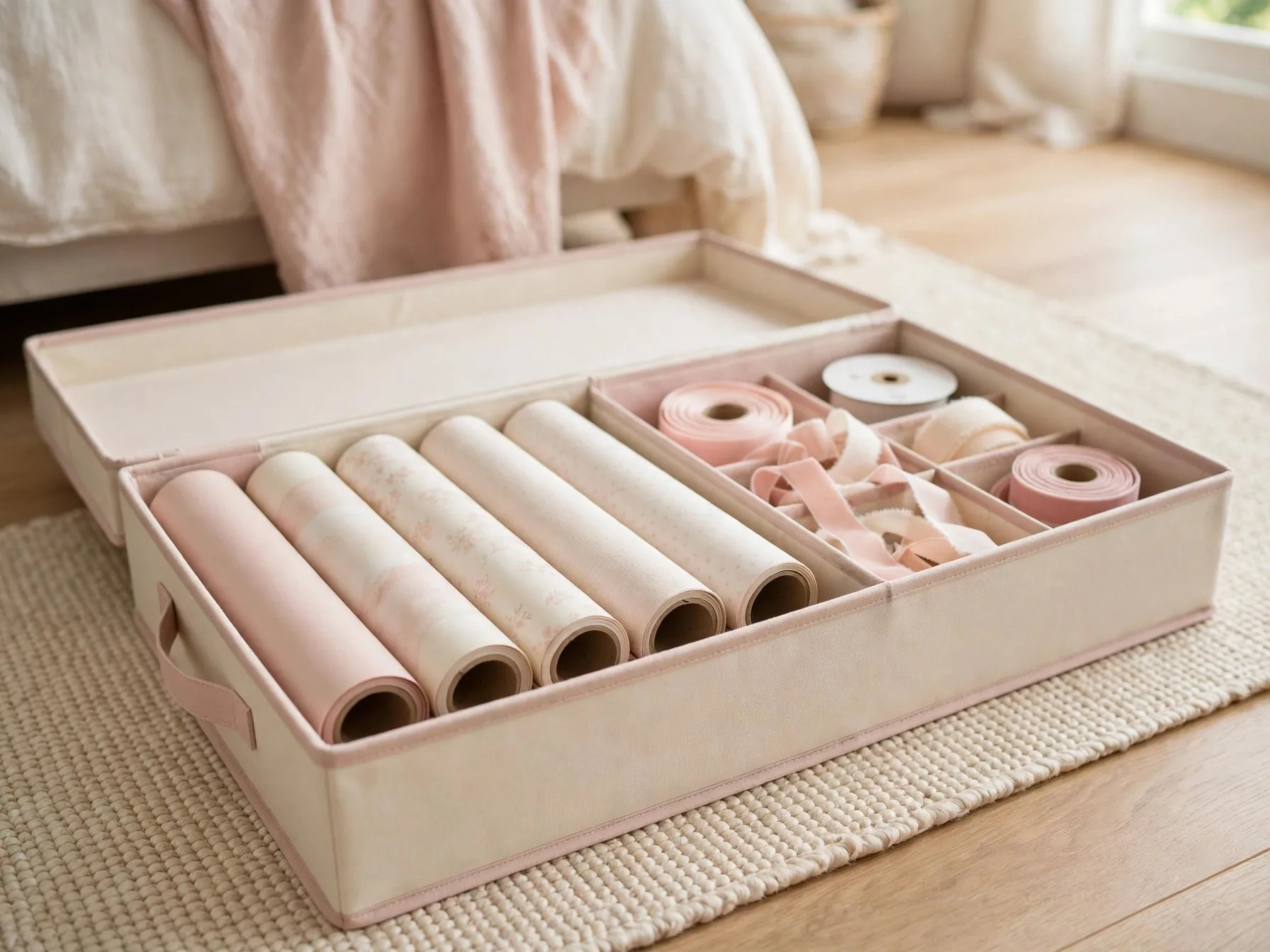
Gift wrap is long, awkward, and impossible to store upright in a small bedroom — which is exactly why a flat under-bed organizer exists. These slim cases, usually around 40 inches long, hold rolls of wrapping paper, ribbons, tape, and tags in one slide-out station. Everything for wrapping lives in a single place instead of a crumpled corner of the closet, so holiday wrapping takes minutes instead of a treasure hunt. The thin profile fits frames with as little as 5 inches of clearance. A good organizer costs about $20, and it also works beautifully for art supplies or posters.
15. Spare bedding, ready to use
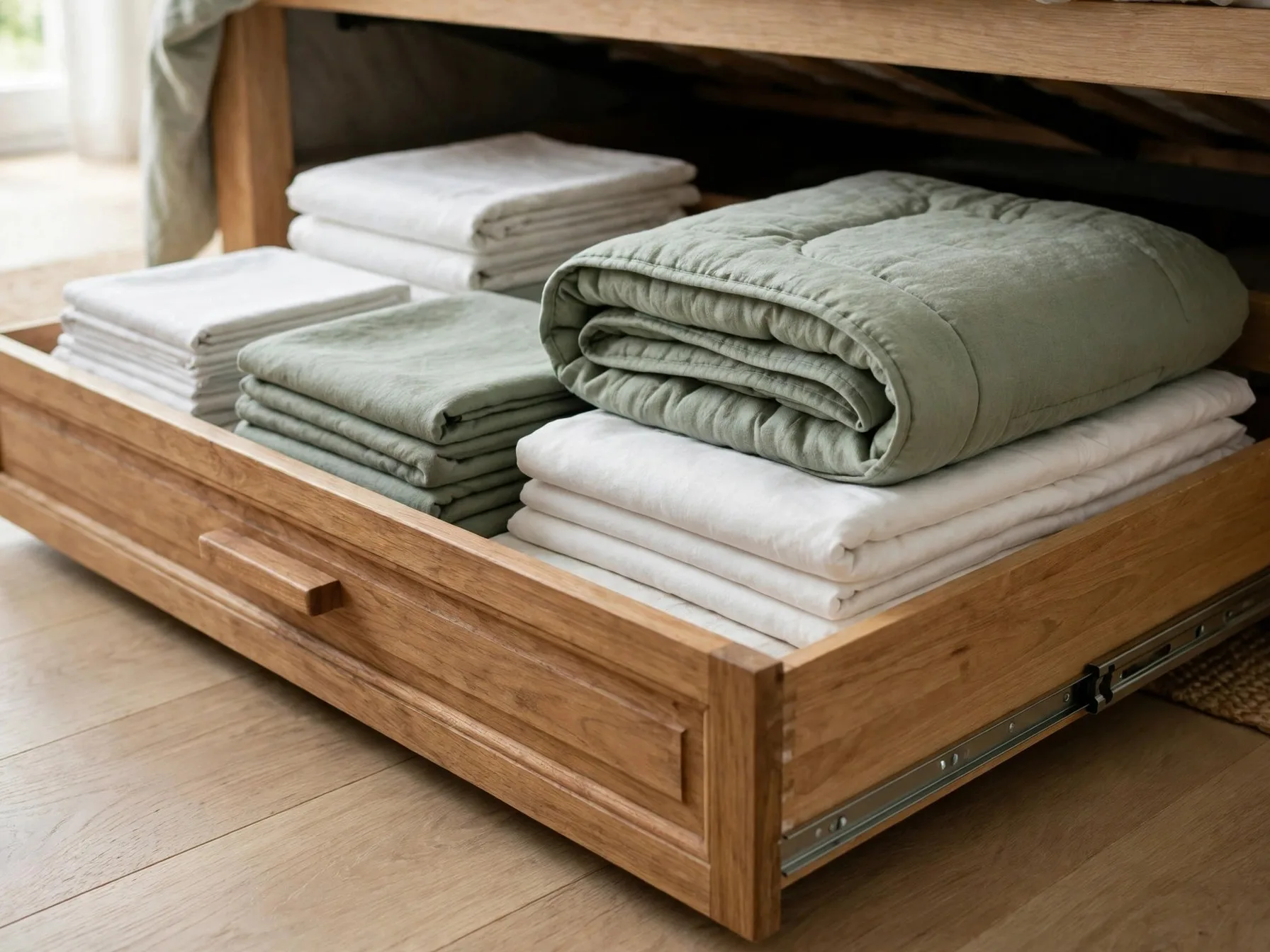
Keep one complete spare bedding set under the bed and midnight sheet changes become a two-minute job: sheets, pillowcases, and a duvet cover in a single lidded bin or drawer, parked at the head of the bed. Wash and refold the set the day you strip the bed, so the bin is always restocked and ready. This is also the kindest thing you can do for guests — a fresh set is right there instead of buried in a linen closet. Cotton or linen sets fold flattest and slide easiest. If you have two beds in the house, give each bed its own labeled bin so sets never mix.
16. Kids’ toy bins with lids
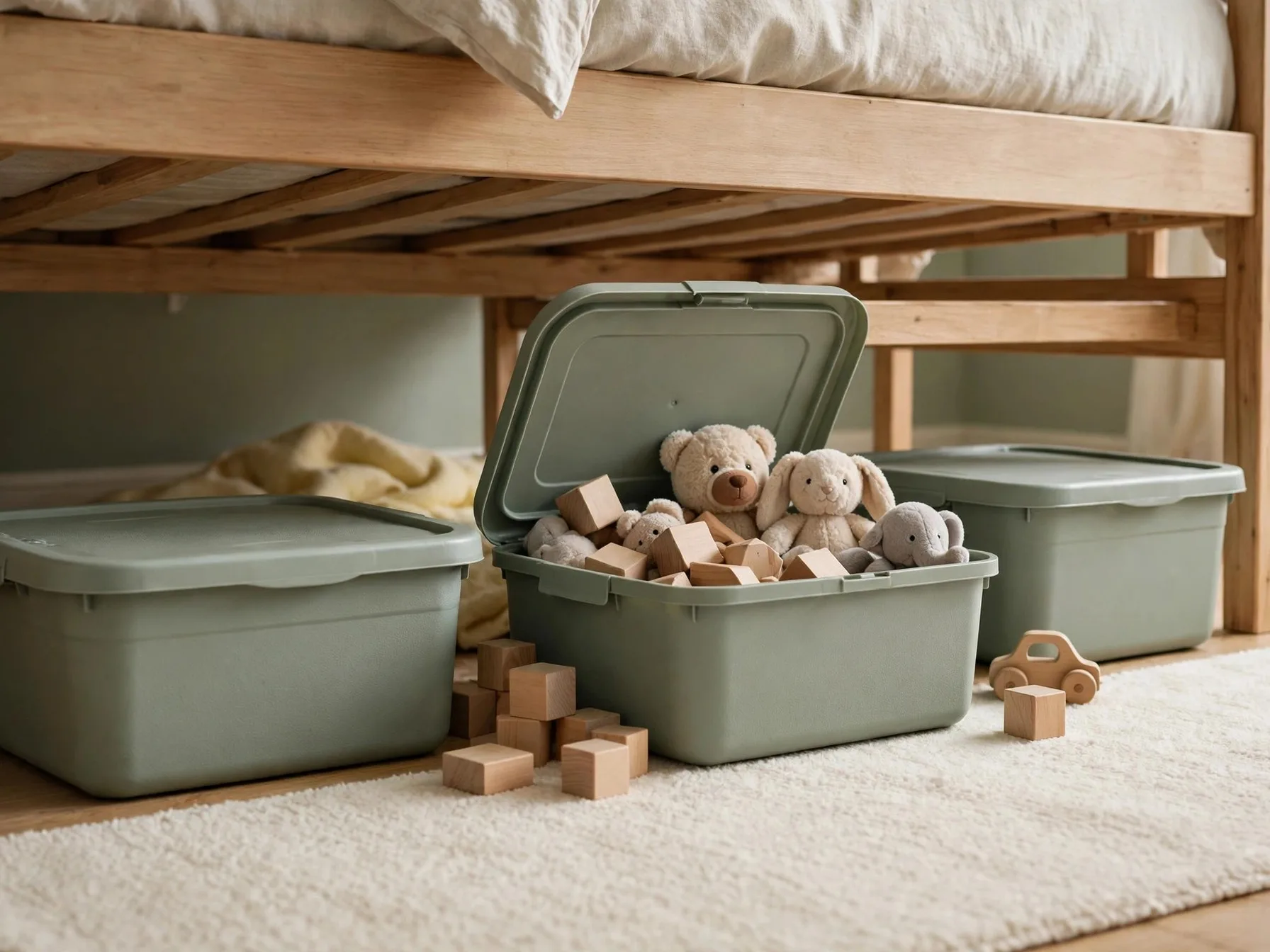
Kids’ bedrooms are small and toys are relentless, so under-bed bins with lids are a parent’s secret weapon: the toys vanish in seconds at cleanup time and the lids keep dust off building blocks and stuffed animals. Choose shallow bins a child can pull out alone, and sort by play type — blocks, figures, art supplies — so cleanup becomes a sorting game. Label each bin with a picture for pre-readers. Rotate the bins every few months: store one bin out of sight and swap it in later, and old toys feel new again. Lidded bins for this job run about $10 to $15 each.
17. Suitcases that double as storage
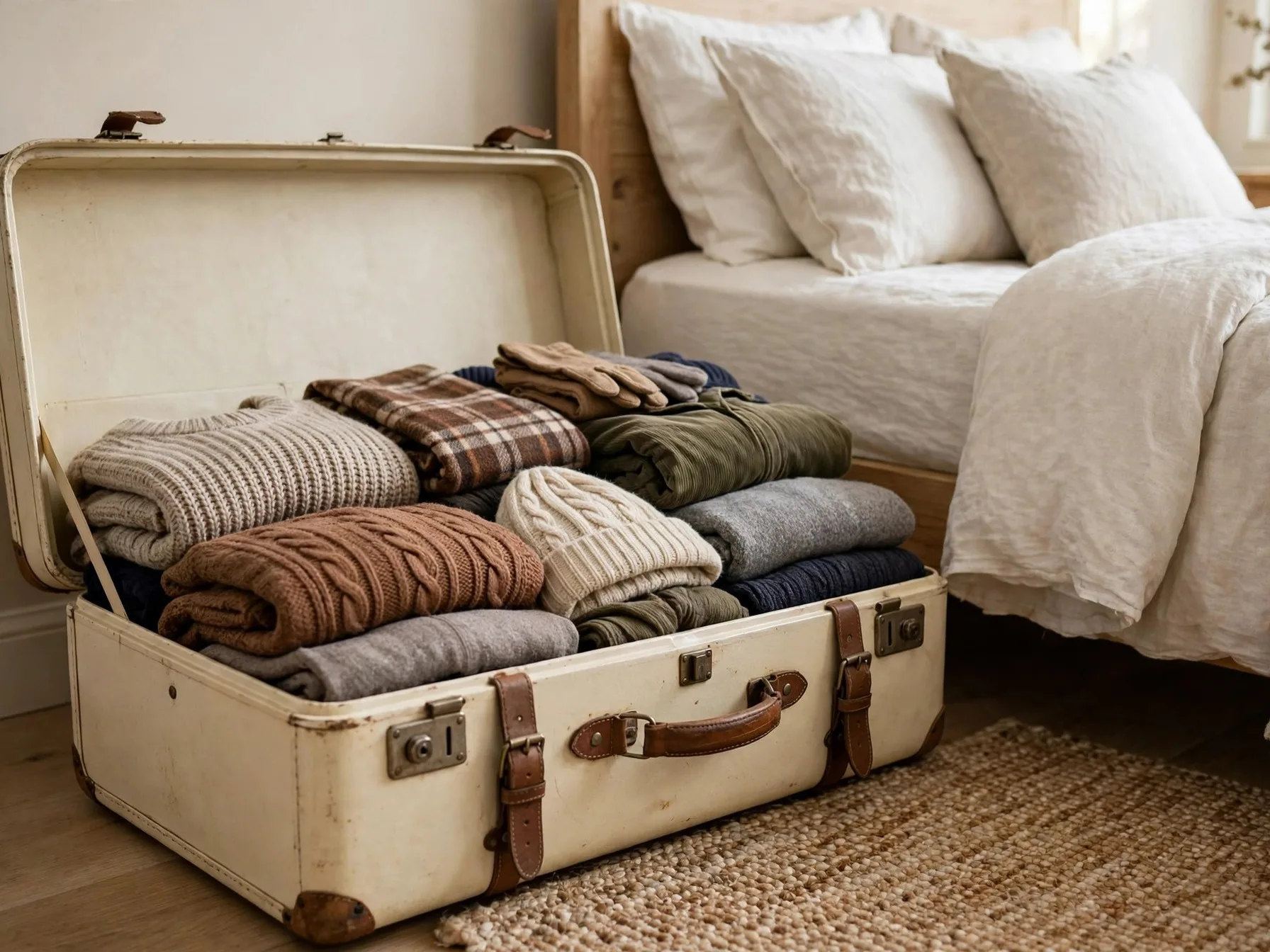
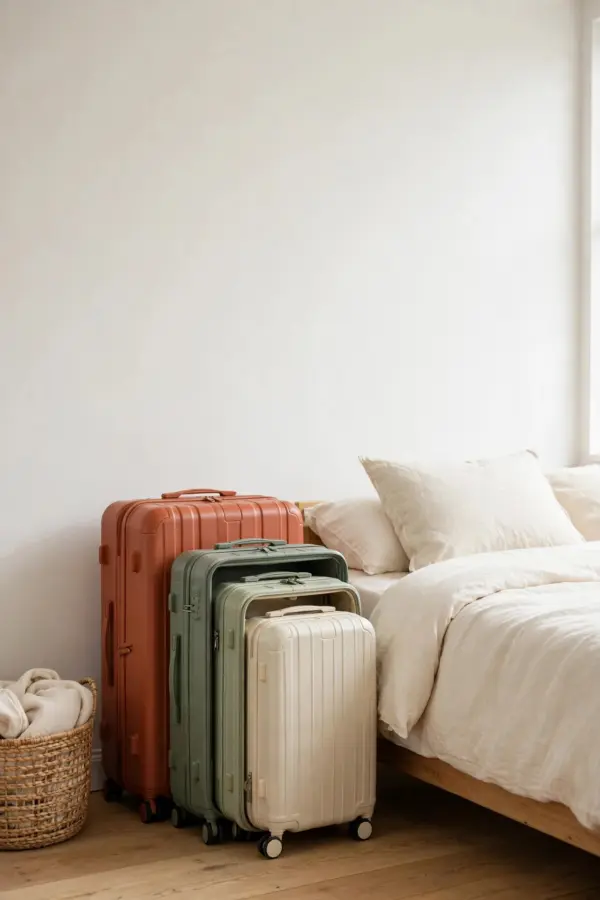
Your suitcases are already perfectly sized storage boxes that spend 50 weeks a year empty — put them to work. Pack off-season clothes, holiday decorations, or memory items inside, close the lid, and slide the whole case under the bed. Hard-shell cases protect contents from dust better than fabric boxes, and their handles make them easy to pull out. Nest smaller bags inside larger ones when you travel, then unpack them straight back under the bed on return. Just remember to empty the case a week before a trip so packing never becomes a frantic dig. Soft-sided duffels work too, but rigid cases protect contents better and stack more neatly under the frame.
18. Extra throws and blankets
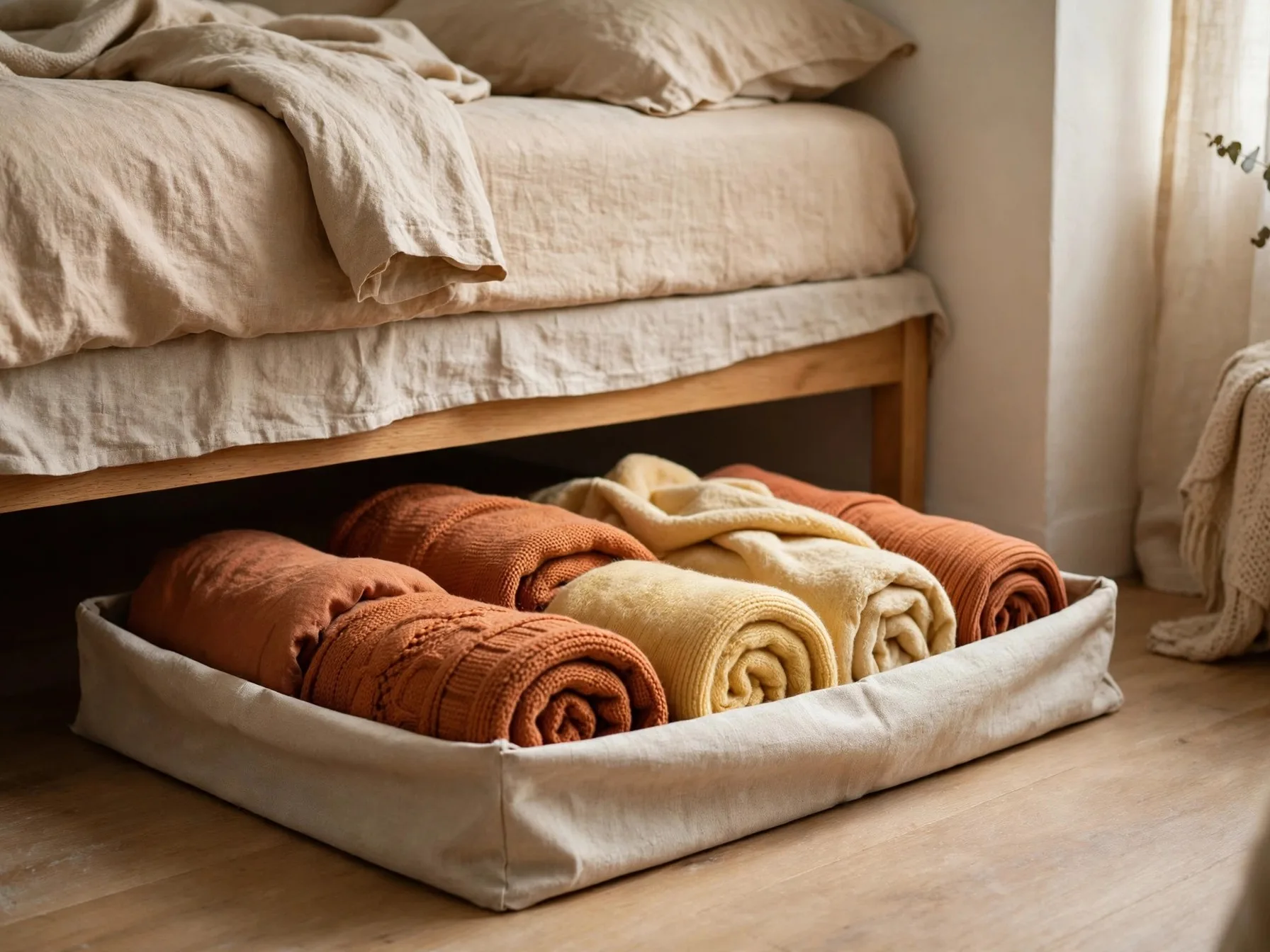
Throws and spare blankets are the classic “where do these go” item: too bulky for a closet shelf, too pretty to stuff in a bag. Roll them instead of folding — rolled throws fit a shallow open tray or fabric box under the bed with room to spare, and they stay wrinkle-free. Keep one throw accessible near the edge for chilly evenings and push the rest toward the middle. Choose washable fabrics so the occasional dust bunny washes out. A low tray in terracotta or sage also looks intentional if it peeks out from under a shorter bed skirt. Send folded quilts to the deeper bins instead, and keep the shallow tray for the throws you actually reach for.
19. Memory keepsakes in shallow boxes
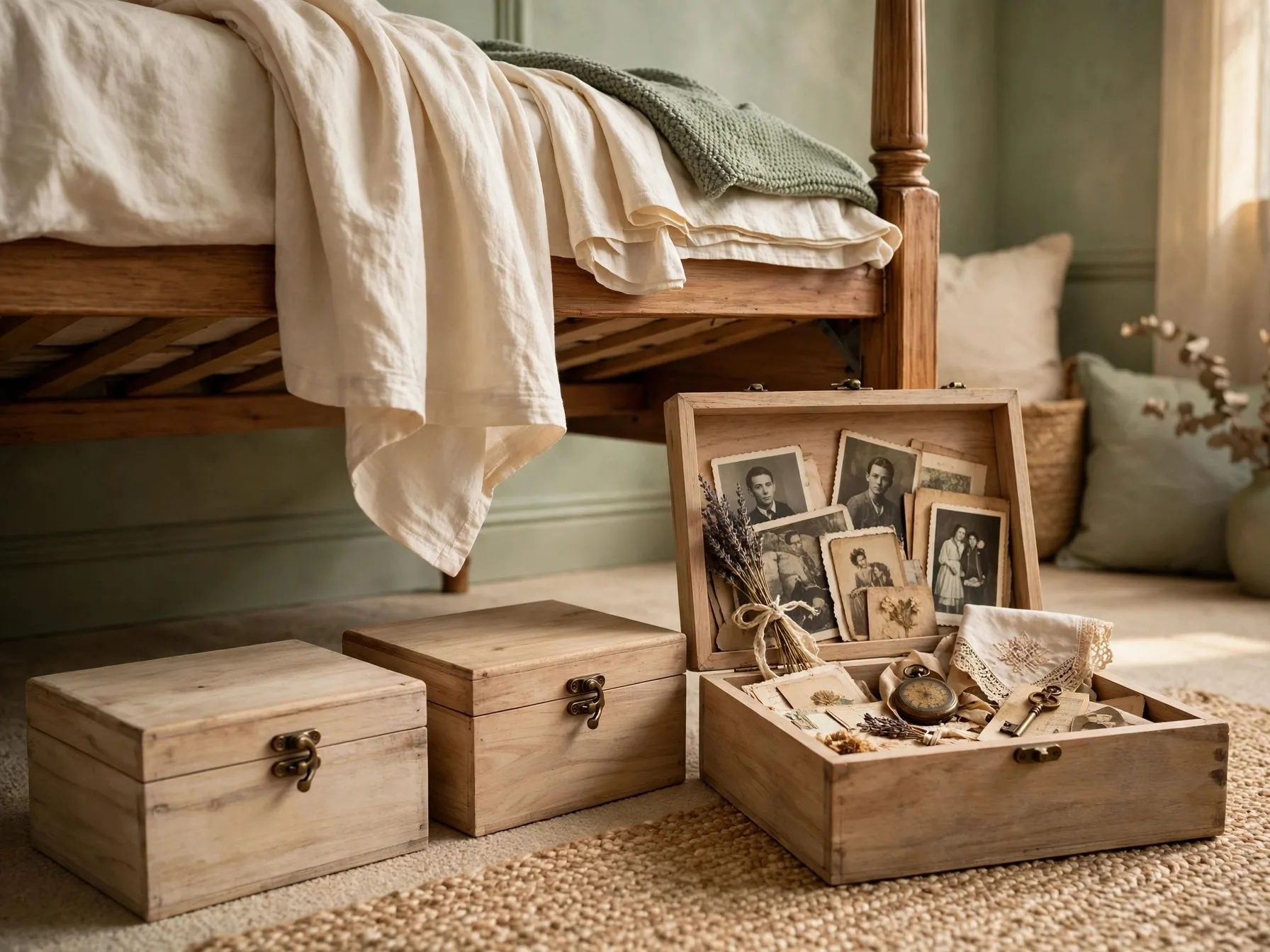
Memory boxes — old letters, photos, childhood keepsakes — deserve better than a damp basement or a cluttered closet shelf. Shallow wooden or archival boxes slide under the bed and keep these treasures dust-free, dark, and close at hand. Use acid-free tissue between photos and skip plastic bags, which trap moisture. Sort boxes by person or life chapter and label the spines so you can find things without opening every lid. Under-bed storage keeps memories in the room where they belong, protected but not forgotten. Park the boxes toward the head of the bed so they are the first thing you see when you slide them out. Archival-quality boxes start around $15.
20. What not to store under your bed
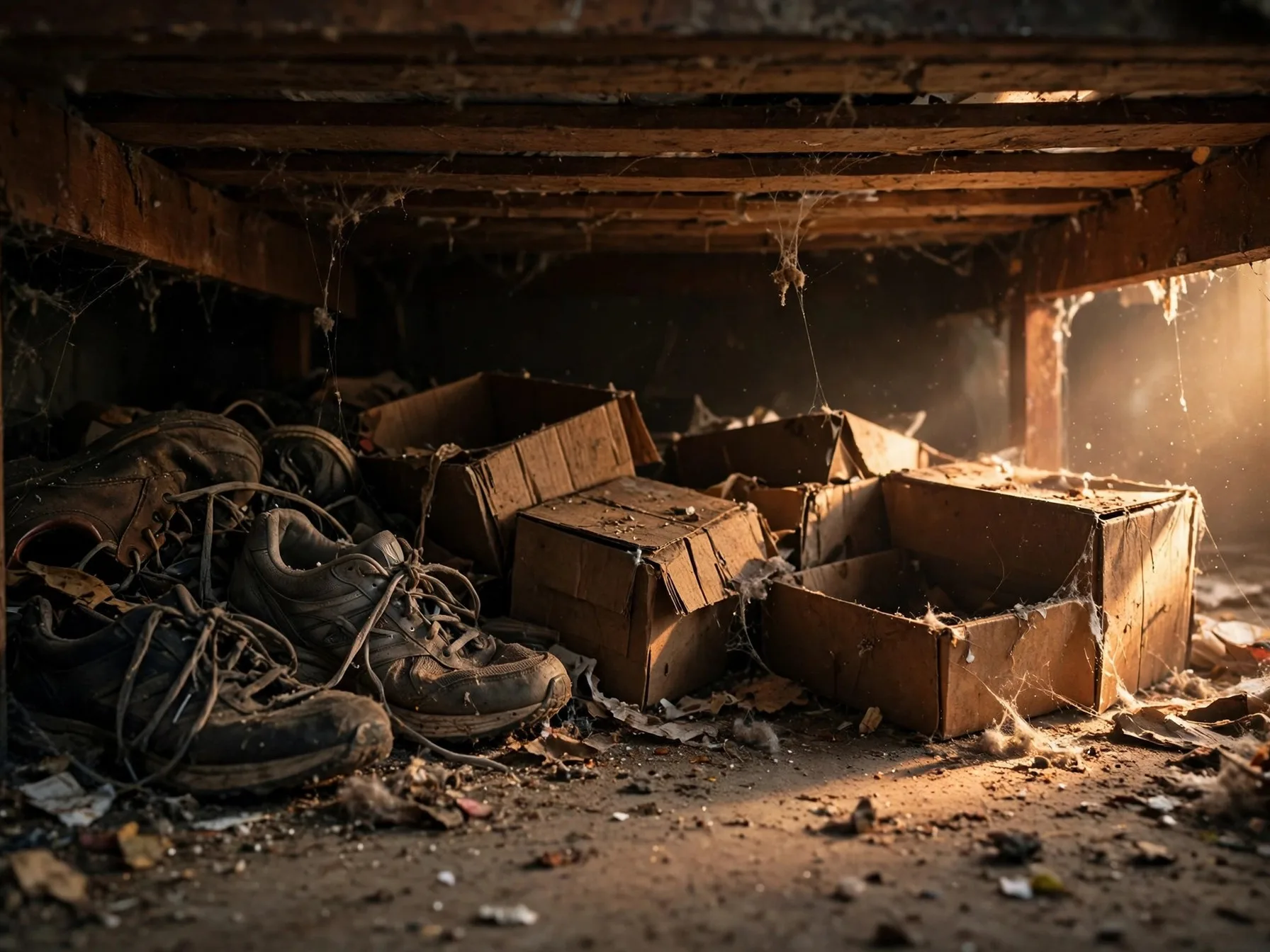
Not everything belongs under the bed, so here is the honest list: important documents, photographs, and leather goods can warp, fade, or crack in the warm, dusty air down there. Never store food, snacks, or pet treats — they invite pests. Skip candles (heat), anything you need daily (constant digging defeats the purpose), and heavy items that make bins hard to pull. Batteries and electronics hate the heat buildup too. Keep under-bed space for occasional-use items like seasonal clothes and spare bedding, and you will never have to dig for what you need. When in doubt, ask whether you would be annoyed to dig it out in the dark — if yes, it does not belong here.
Questions, answered
How to get more storage in a small bedroom?
Start with the space you already have: under the bed, above door frames, and the backs of doors are the three biggest dead zones in a small bedroom. Slide low bins and vacuum bags under the bed for out-of-season clothes, hang slim hooks behind the door for robes and bags, and use the full height of the closet with double rods. Keep daily items within arm’s reach and move everything else to the dead zones.
What are some hidden storage ideas for small spaces?
The best hidden spots are the ones built into furniture you already own: under-bed drawers, lift-up storage beds, and hollow ottomans all swallow surprising amounts of stuff. Look at dead corners too — narrow rolling carts fit beside the bed or between appliances, and the top of a wardrobe can hold labeled bins for rarely used items. Clear or labeled containers keep hidden storage findable, so nothing disappears.
How do I increase my storage capacity?
Capacity comes from two moves: editing what you own and using space three-dimensionally. Declutter first so you are not organizing things you do not want, then add height — stackable bins, risers under the bed, shelf inserts in cabinets, and hooks on walls and doors. A room with less stuff and more vertical storage always feels bigger than one with more furniture.
What should you not store under your bed?
Skip anything heat- or moisture-sensitive: important documents, photographs, leather goods, and candles can warp, fade, or melt in the warm, dusty air under a bed. Never store food, pet treats, or anything perishable — they invite pests. And keep out anything you reach for daily; constant digging defeats the purpose. Use under-bed space for occasional-use items like seasonal clothes and spare bedding instead.
Keep reading
If the rest of the bedroom is tight too, these storage ideas for small spaces take the same thinking to every other room. And if you are starting from a messier place, the room-by-room decluttering guide plus the 5-step organizing method will get you there.
That is the whole list: twenty ideas, one tape measure, and a single afternoon. Start with the clearance check, pick the containers that match it, and label everything you slide underneath. Your bed just became the biggest closet in the room.