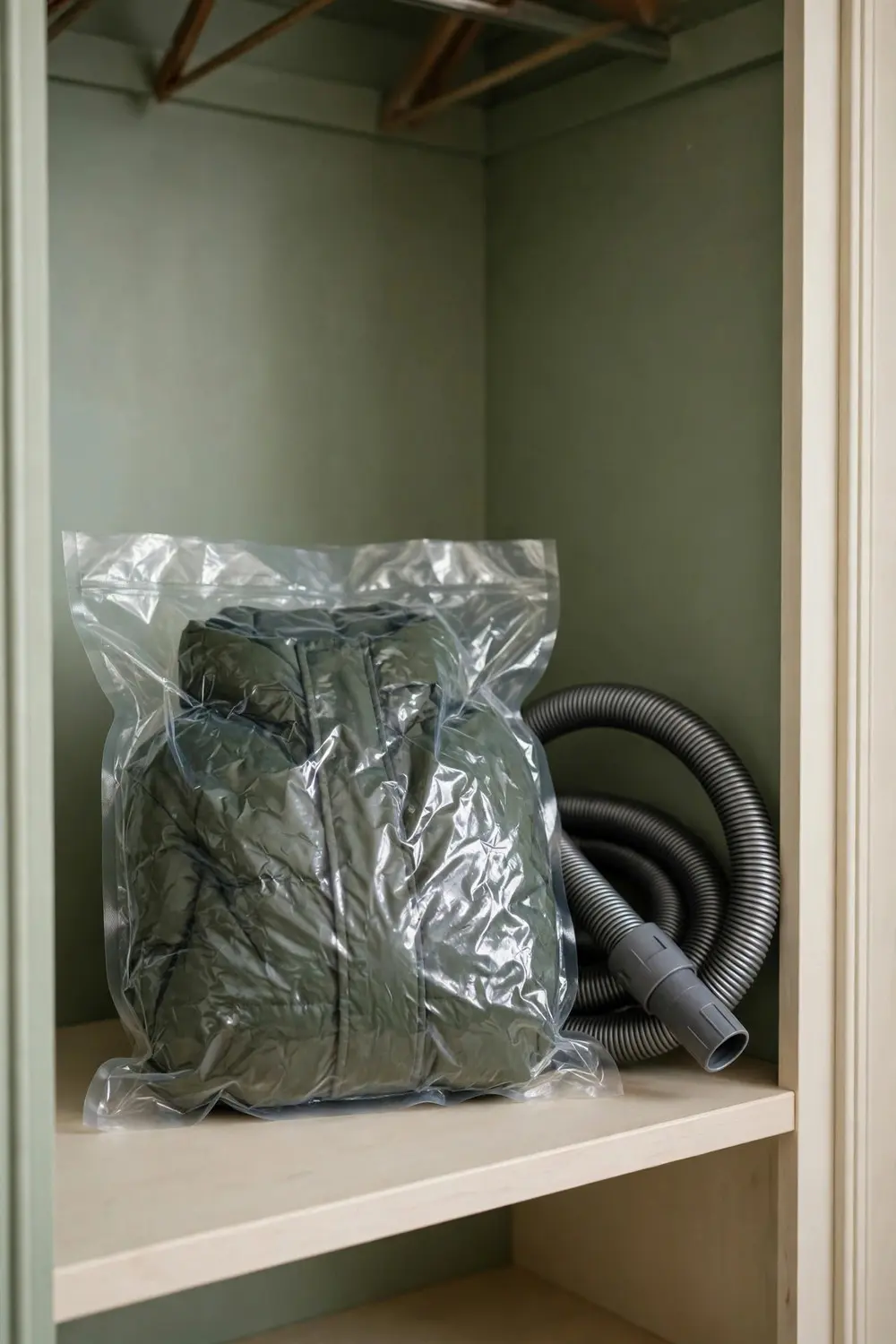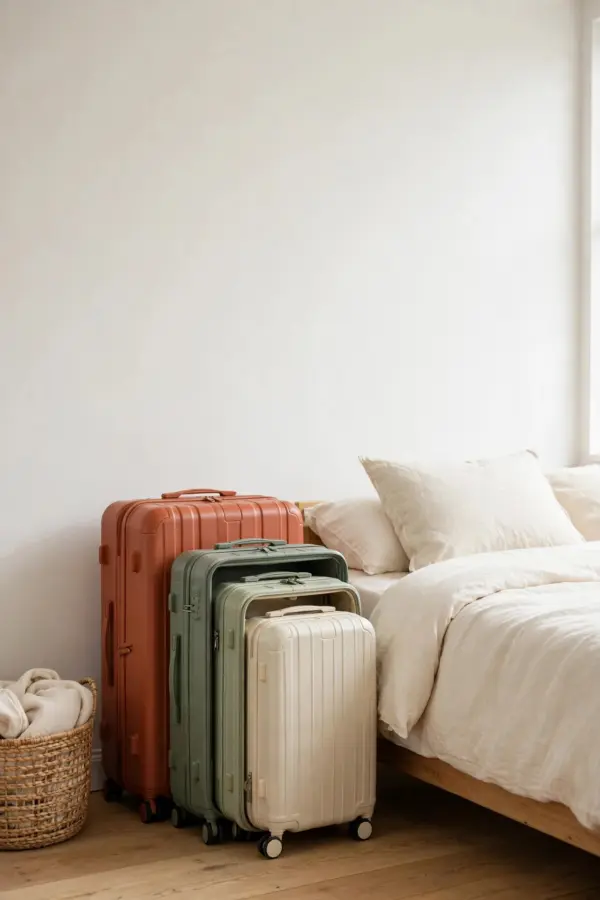
Vacuum storage bags cut bulky items — duvets, winter coats, spare bedding — by up to 80% in volume; fill to the line, seal the double zip fully, vacuum until it stops shrinking, and never use them for leather, fur or anything that must keep its loft permanently.
Thank you for reading this post, don’t forget to subscribe!Part of our guide: 30 Toy Storage Ideas to Finally Tame the Toy Clutter
Vacuum bags are the single most effective small-space tool there is, and also the easiest to use badly. Overfill one and it will not seal; seal it carelessly and it will slowly re-inflate; use it on the wrong item and a good coat comes out flat and creased for good. Used properly, though, a duvet that filled a whole shelf slides flat under the bed, and a winter wardrobe fits in a single closet. The steps below cover the whole process, from choosing what goes in to getting it back out in good shape.
1 Sort first: only the right items go in
Start by sorting what you actually want to compress. Vacuum bags suit bulky, sturdy, washable items: duvets, spare bedding, chunky knitwear, everyday winter coats and soft toys. They do not suit anything structured, delicate or made from animal skin or fur — those items are covered in the table below. Wash and dry everything first, because a sealed bag traps whatever is on the fabric, and even slight dampness turns into mildew over months.
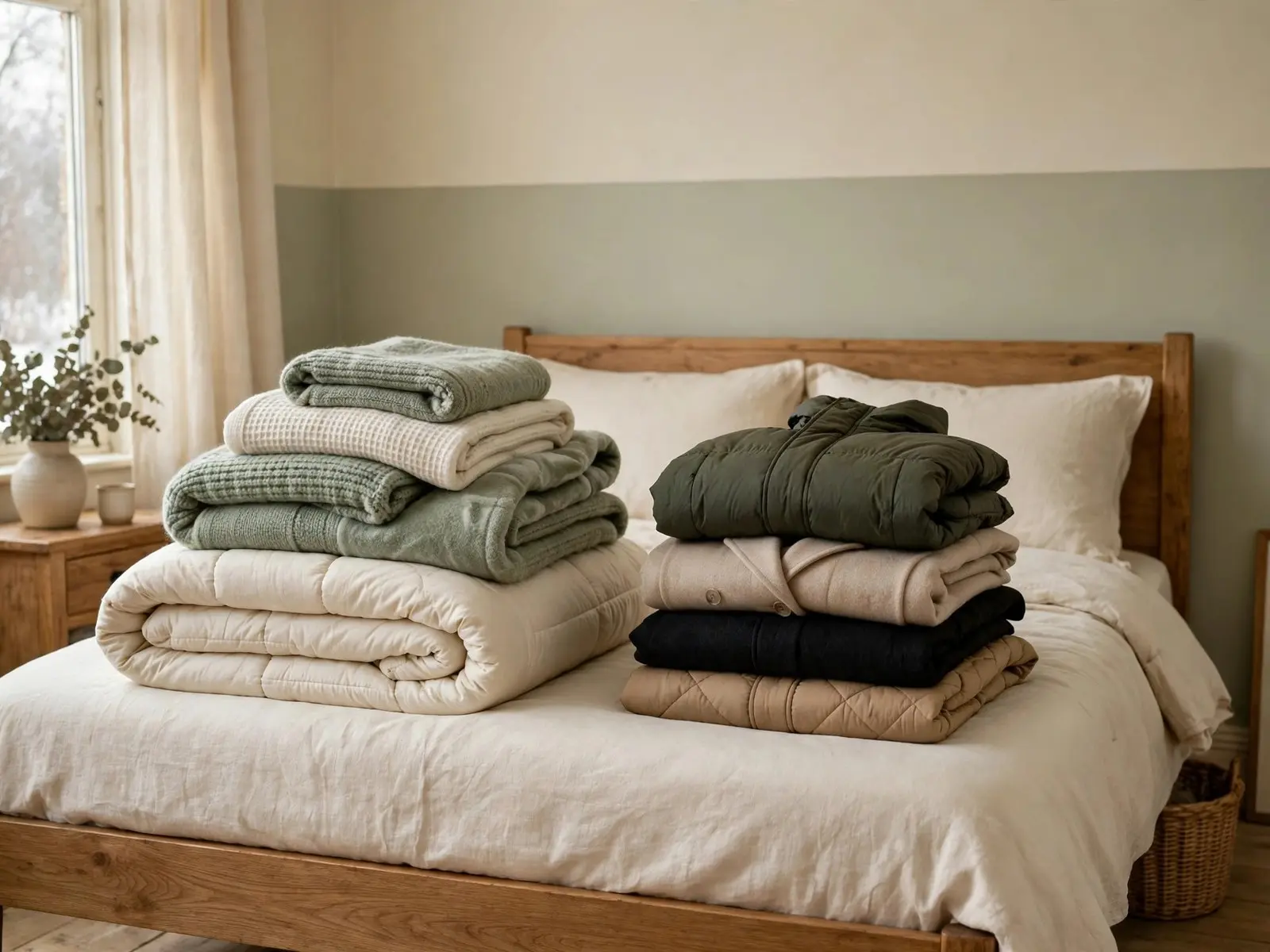
Work in one category at a time — all the bedding together, then the coats — and keep each bag to a single category. Mixed bags are harder to unpack, and a bag you open to find one coat lets air into everything else stored with it.
2 Fill to the line, never past it
Fold items neatly and lay them in the bag flat, in layers, rather than stuffing them in as a ball. Folded layers compress evenly and come out with fewer deep creases. Fill only to the printed fill line — usually about three quarters full — and leave the top of the bag clear so the zip can close without strain.
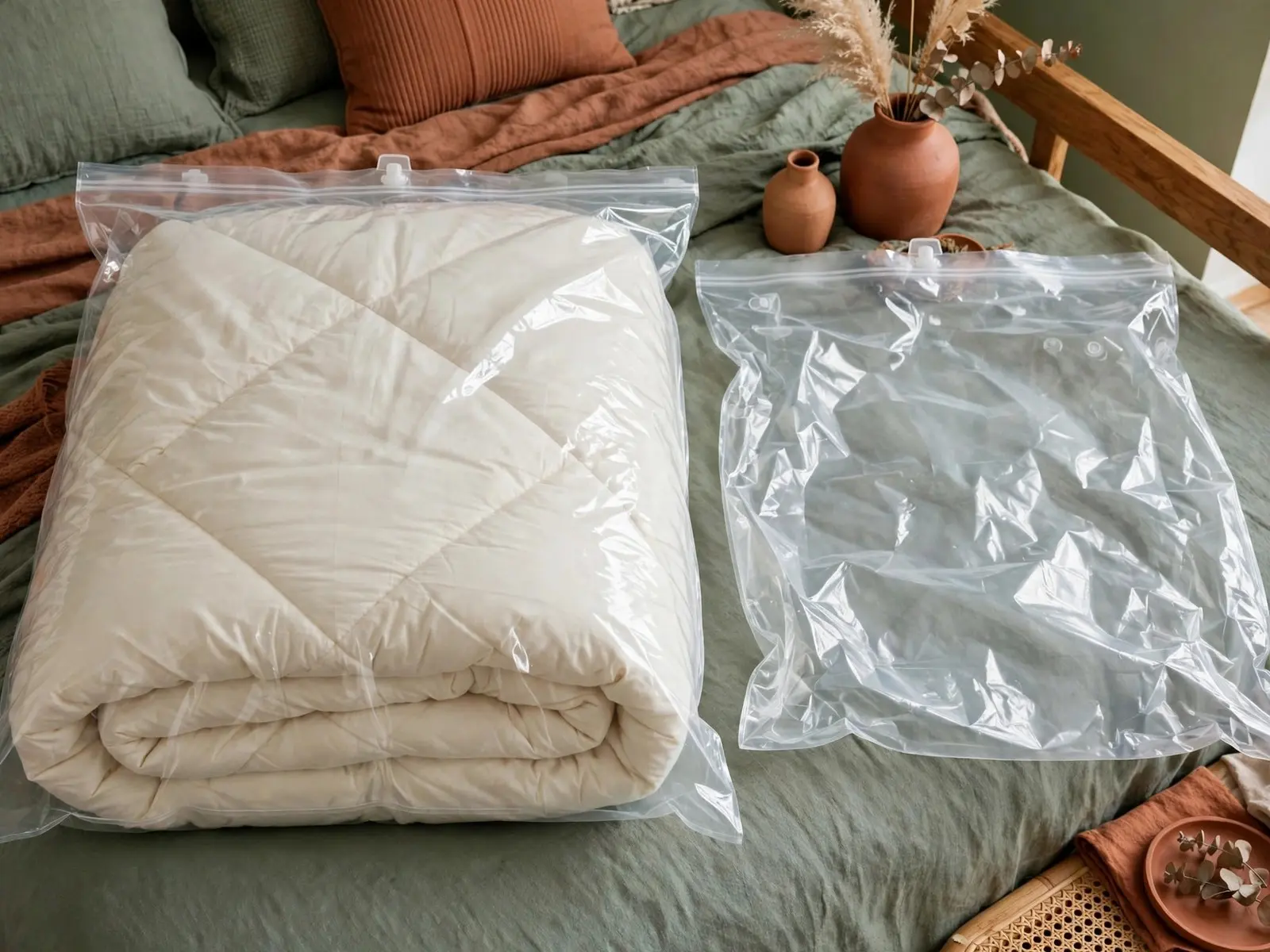
- Fold duvets and blankets in thirds, then roll or fold them to the bag’s width before sliding them in.
- Put heavier items at the bottom and lighter ones on top, so the bag compresses evenly.
- Leave bulky items out of small bags: a bag that is bursting before you seal it will fail at the seal, not at the vacuum stage.
3 Seal the double zip fully
Most vacuum bags have a double zip — two sealing strips that must both close along the full width. Press the zip shut with your fingers first, then run the slider clip along it two or three times, pressing firmly. Run a finger along the seal afterwards: any gap, fold or trapped thread is a slow leak that will re-inflate the bag over days.
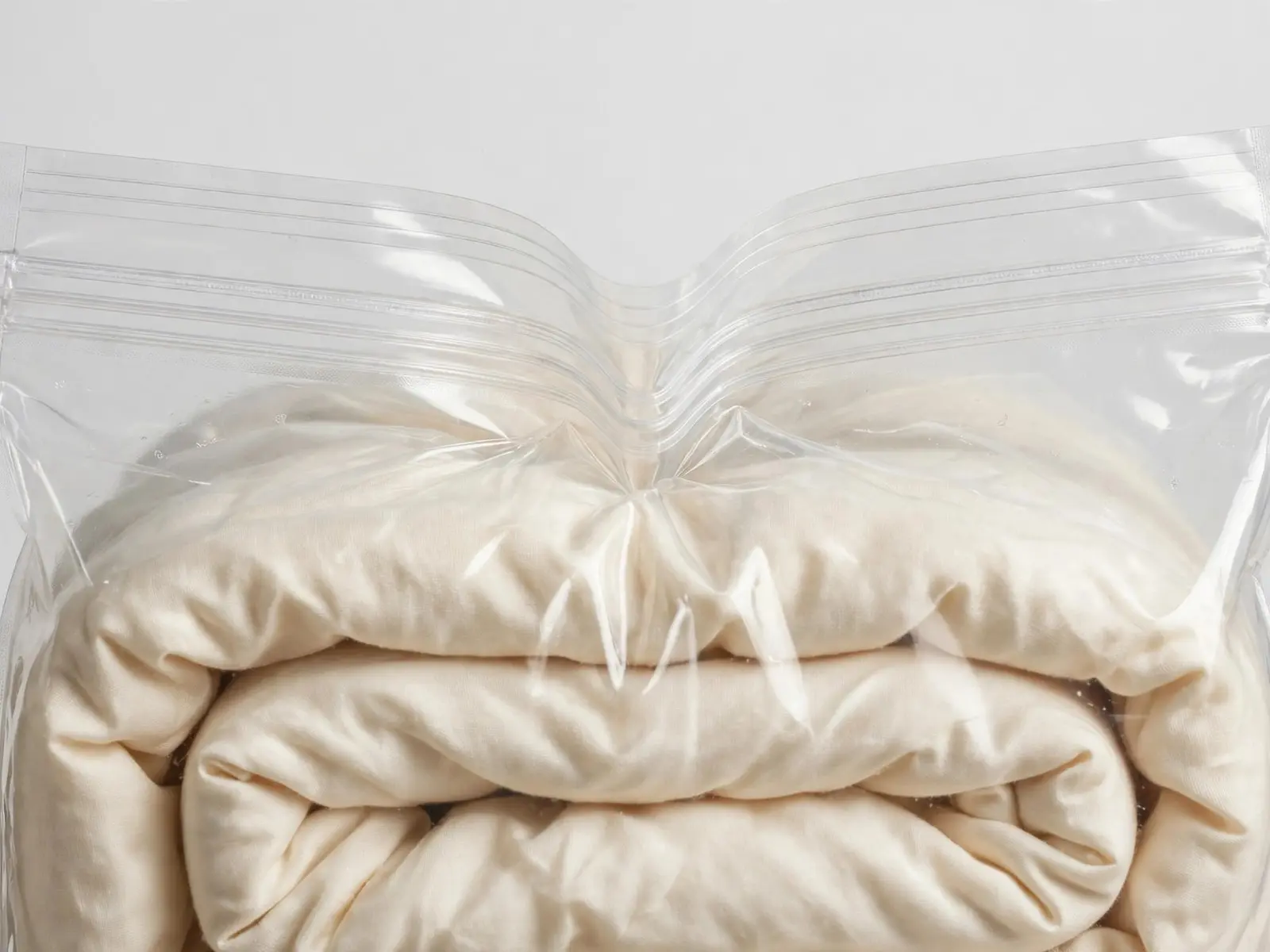
Check the seal area is clean and dry before you close it — dust, a stray thread or a fold of fabric caught in the zip is the most common cause of a bag that slowly fills with air again. If the zip feels gritty or stiff, wipe it with a dry cloth and try again rather than forcing it.
4 Vacuum until it stops shrinking
Open the valve cap, press the vacuum cleaner hose firmly onto the valve, and run the vacuum until the bag stops shrinking. That usually takes under a minute for a medium bag. Do not stop early: a half-compressed bag still holds air, and it will look full again within a week. When the bag has gone flat and firm, pull the hose off quickly and press the valve cap shut in the same motion.
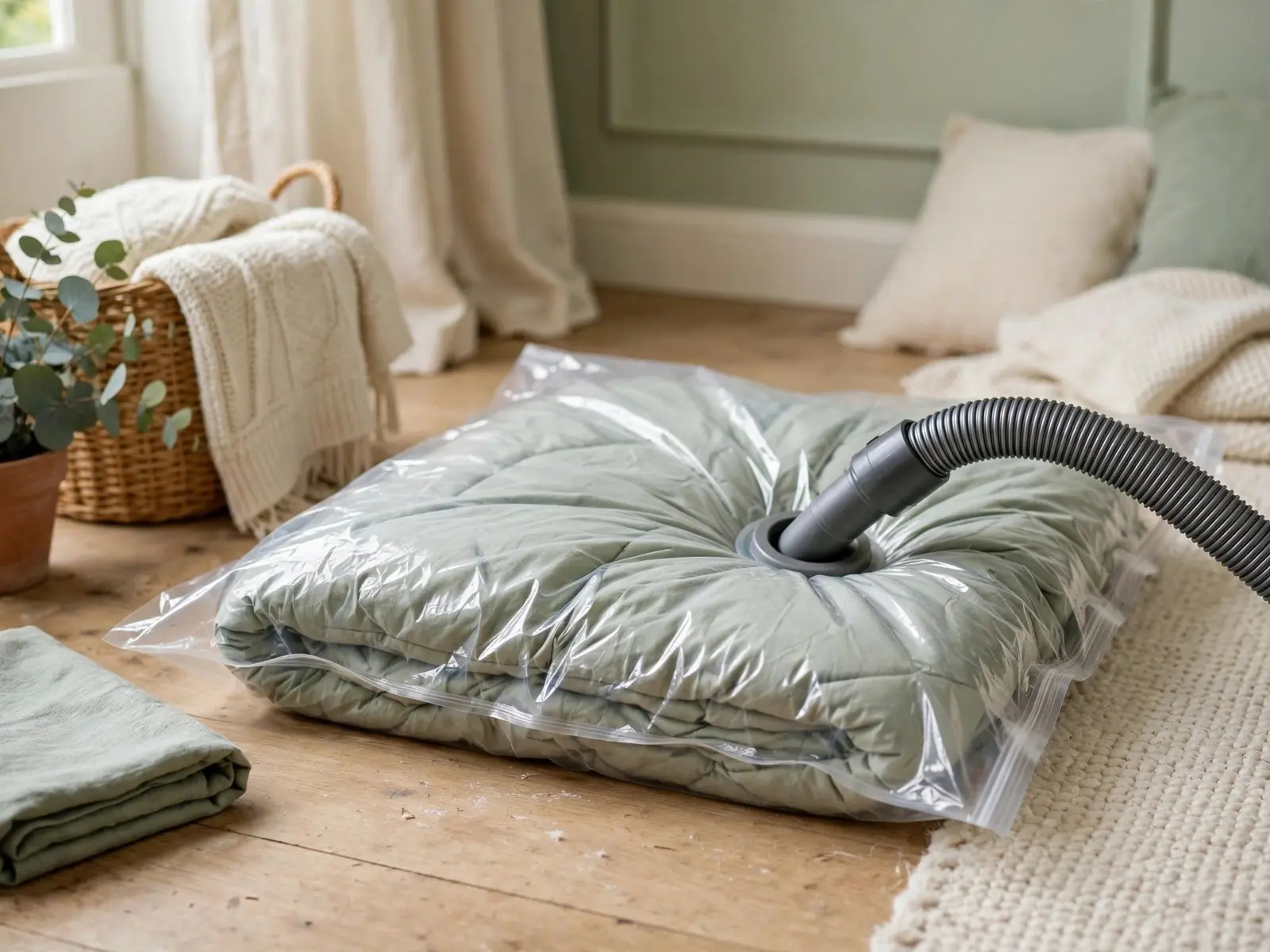
A standard vacuum cleaner works fine — you do not need a special pump, though a small hand pump is useful for travel bags. Keep the hose pressed squarely onto the valve; an angled hose lets air leak in as fast as the vacuum pulls it out, and the bag will never fully flatten.
5 Store flat, labelled, in a dry spot
Store compressed bags flat, stacked no more than two or three high, in the driest spot you have — under the bed, on a top shelf, or in a closet. Keep them off damp floors and away from sharp edges, hooks and anything that could puncture the plastic. A puncture is not always obvious: a bag stored against a rough shelf edge can develop a pinhole that slowly lets air back in.
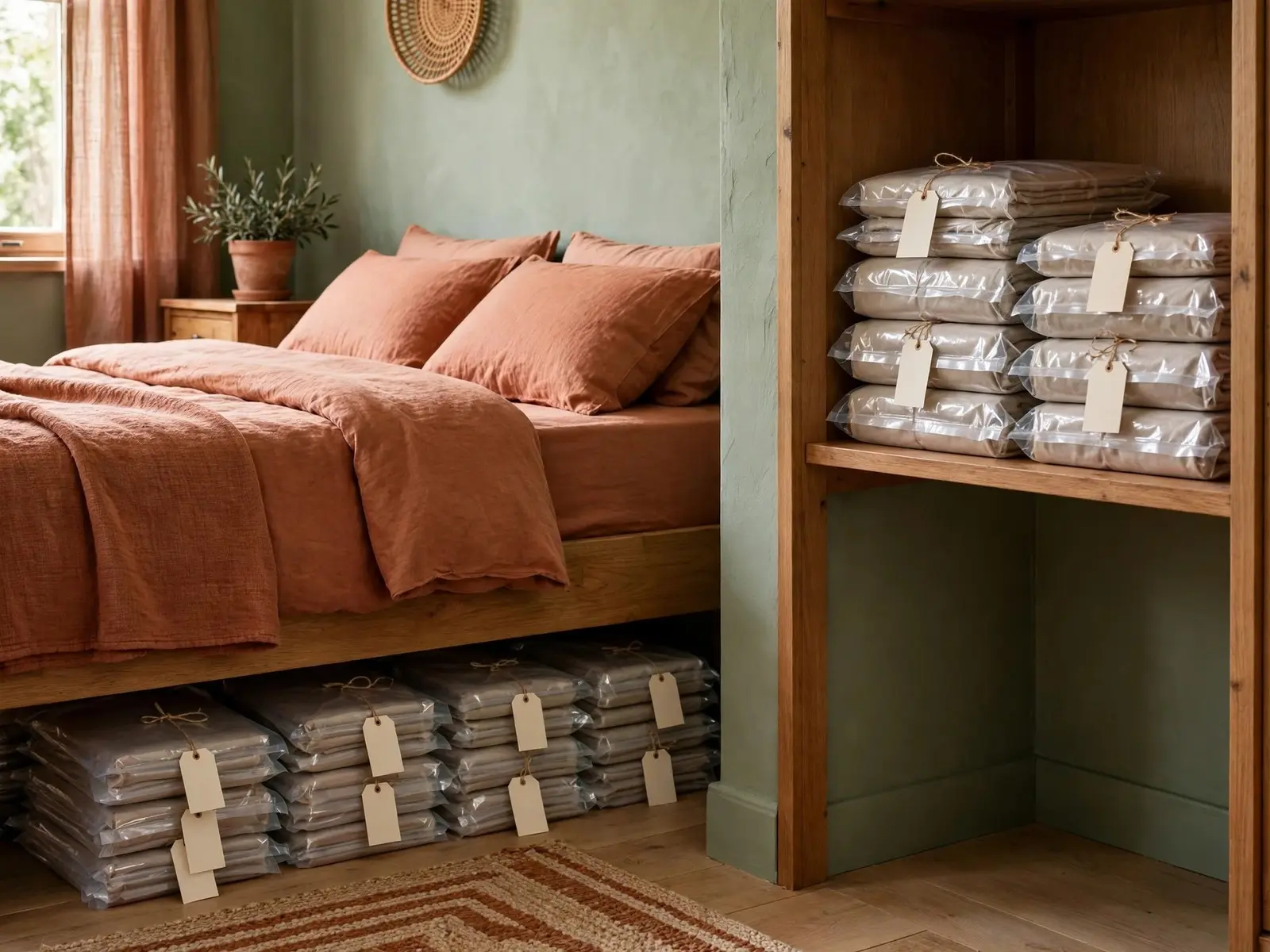
Label each bag with its contents and the date it was sealed — a plain tag tied to the valve or a label on the bag itself. The label saves you opening three bags to find one duvet, and the date tells you when a bag has been compressed long enough to need airing.
6 Reopen and refluff properly
When you need the contents, open the bag away from the bed if you can — compressed fibres release dust as they expand. Pull the zip open fully, shake each item out, and give it a day to recover: hang coats and duvets in fresh air, shake them out a few times, and let them regain their loft before use. A tumble on a low heat with a clean tennis ball helps stubbornly flat bedding refluff faster.

Expect creases on anything that was compressed for months — they usually fall out with airing and a wash. If an item still looks flat after a day of airing, wash it and dry it fully before deciding it is damaged; most sturdy fabrics recover more than they first appear to.
Compress these, never compress these
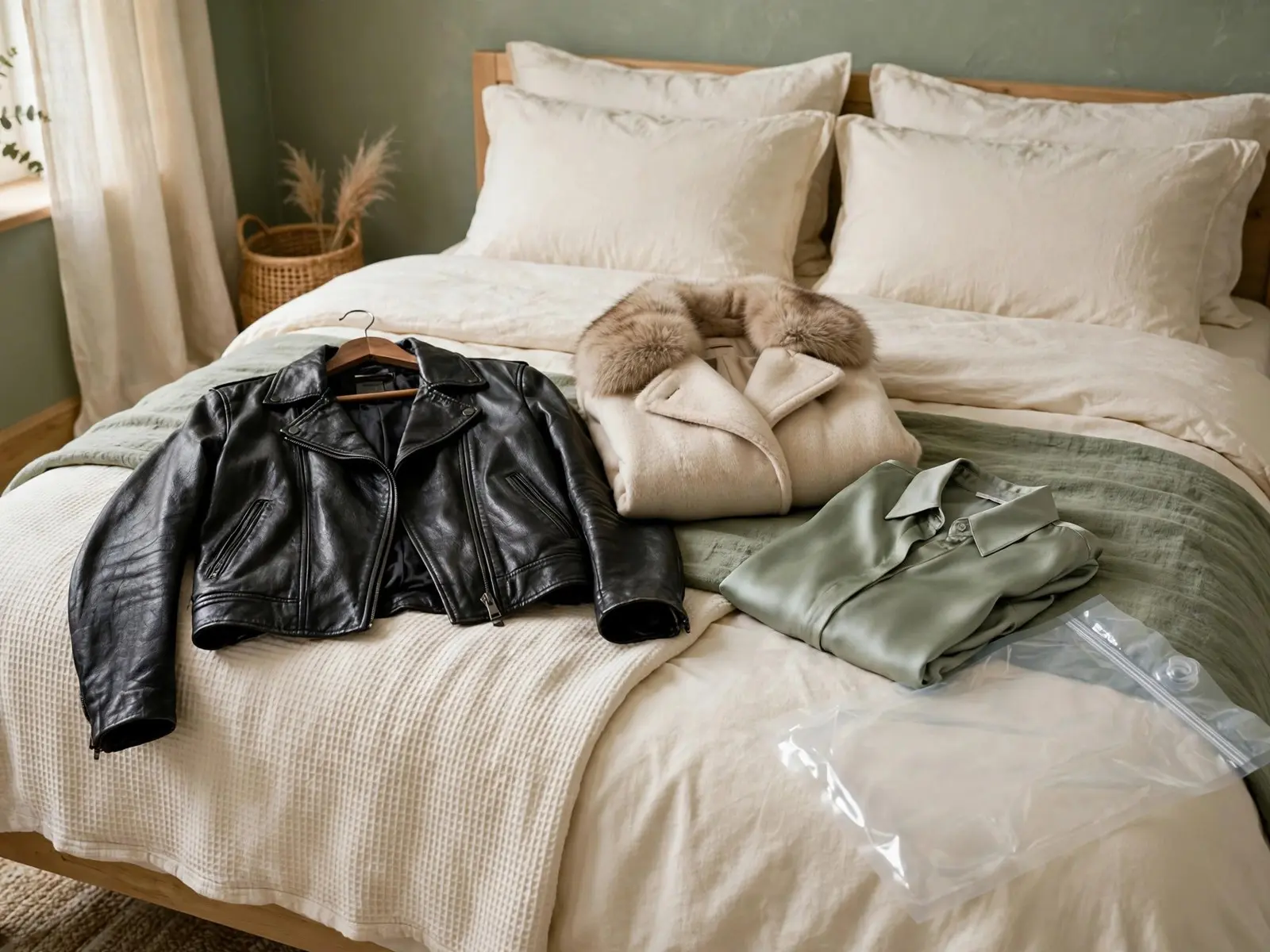
Use this table before anything goes into a bag. When in doubt, leave it out: a bin or a garment bag costs more space, but it does not damage the item.
| Compress these | Never compress these |
|---|---|
| Duvets, spare bedding and blankets | Leather jackets, bags and shoes — they crack and lose shape |
| Chunky knitwear and everyday winter coats | Fur and fur-trimmed coats — the pile crushes permanently |
| Towels, spare curtains and soft toys | Down coats and sleeping bags you want to stay lofty |
| Out-of-season everyday clothes in sturdy fabrics | Silk, structured tailoring, and anything with boning or padding |
| Bulky bedding for guests or the caravan | Items with feathers that must keep their loft, and anything damp |
Troubleshooting: when a bag misbehaves
- Bag re-inflates slowly: the seal is the culprit almost every time. Reopen it, clean the zip, remove trapped threads or fabric, and reseal with the slider clip twice. If it still leaks, the zip itself is worn — replace the bag.
- Bag will not shrink fully: check the hose sits squarely on the valve, and that the bag is not overfilled past the fill line. A bag stuffed too full cannot compress no matter how long you vacuum it.
- Bag goes flat, then puffs up overnight: look for a pinhole. Inflate the bag slightly, press it gently, and listen and feel for escaping air; patch small holes with strong tape, or move the contents to a fresh bag.
- Clothes come out deeply creased: they were compressed too long, or the item was too delicate for a bag. Air them for a day, then wash and dry — and next time, choose a bin for that item instead.
- Musty smell on opening: the item went in damp, or the storage spot was damp. Wash and dry the item fully, check the storage spot for damp, and never seal anything that is not completely dry.
- Valve cap will not stay shut: press it firmly after removing the hose, and check the valve for dust. A cap that pops open on its own means the bag will re-inflate — replace the bag if the valve is damaged.
Questions, answered
Do vacuum storage bags really save space?
Yes, for bulky items. A duvet, a winter coat or a pile of spare bedding can shrink by up to 80% in volume once the air is removed, which turns a shelf-full of bedding into a flat pack that slides under the bed. The saving is much smaller for thin clothes — a T-shirt has little air to remove — so the bags earn their place on bulky items, not on a whole wardrobe.
What should you not put in vacuum storage bags?
Never put leather, fur, silk, structured tailoring, or anything that must keep its loft — such as a down coat or a feather-filled item — into a vacuum bag. Compression crushes fur pile, cracks leather, sets permanent creases in silk and delicate fabrics, and flattens down so it never fully recovers. Damp items are also out: sealing dampness in causes mildew.
How long can clothes stay in vacuum storage bags?
For sturdy items, a season — about six months — is a safe stretch. Beyond that, check the contents: air them out, let them recover for a day, and reseal them if they need to stay stored. Delicate or structured pieces should not stay compressed for more than a few weeks, and leather, fur and down should never go in at all, however short the stay.
Why does my vacuum storage bag keep re-inflating?
Almost always because air is getting back in. The most common cause is an incomplete seal — a fold, thread or speck of dust in the double zip — followed by a pinhole puncture from a sharp edge in storage, and a valve cap that was not pressed fully shut. Clean and reseal the zip, check for pinholes, and press the valve cap firmly; if the bag still inflates, the seal or valve is worn and the bag needs replacing.
Keep reading
Vacuum bags pair naturally with the seasonal swap in how to store seasonal clothes, where bins, bags and garment bags each get the items they suit best. For the closet those bags live in, start with closet organization ideas. And if the sort turns into a bigger clear-out, declutter your home room by room covers the same decisions at whole-home scale.
Vacuum storage bags are simple once the rules are clear: compress only sturdy, bulky, fully dry items; fill to the line; seal the double zip properly; vacuum until the bag stops shrinking; and store flat, labelled and dry. Follow those steps, keep leather, fur and loft-dependent items out, and a whole shelf of bedding becomes one flat pack under the bed — with everything inside in good shape when you need it again.